Czechoslovakian Vlcak Basics
The Czechoslovakian Vlcak or Czech Wolf Dog is a relatively new breed of dog first bred as a military attack dog. This breed is the result of an experiment in 1955 that involved crossing 48 working line German Shepherds with Carpathian wolves. The idea behind creating the Czech Wolf Dog was to create a powerful breed with the trainability, temperament and pack mentality of the German Shepherd as well as the strength and endurance of the Carpathian Wolf. Although first used by the Czech Special Forces in special military operations, the breed has since been used successfully in search and rescue, tracking, herding, agility, hunting, obedience and drafting.
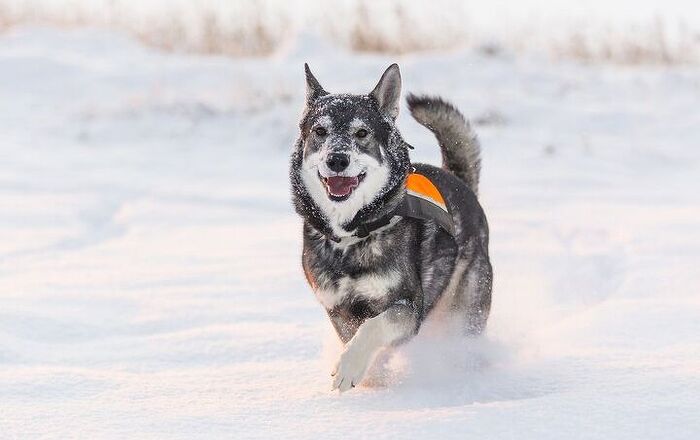
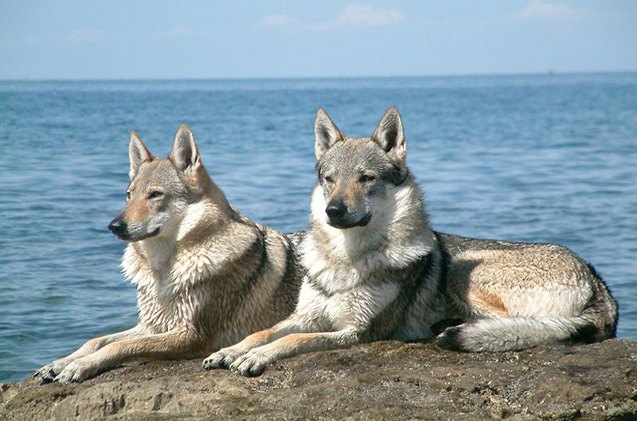
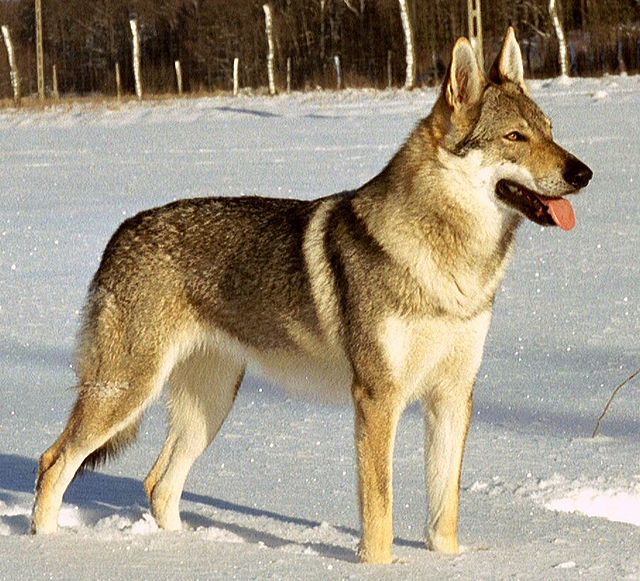
The Czech Wolf Dog, like it name indicates, looks more like a wolf than it does a dog. Its body is lithe and powerful with long feet and a strong back. Its head too is like that of a wolf and its powerful teeth meet in a razor sharp bite. The dog’s chest is large and flat and its stomach is strong and drawn in. The Czech Wolf Dog’s coat too is reminiscent of that of the Carpathian Wolf and is short, thick and is yellow-grey or silvery-grey in color.
The Czechoslovakian Vlcak is calm, self-assured and intelligent. It is extremely brave and protective over its masters but will rarely attack without cause or command. However, they do require a great deal of leadership and handling skills and are not recommended for beginner dog owners.
The Czechoslovakian Vlcak or Czech Wolf Dog is a relatively new breed of dog first bred as a military attack dog.
Origin
The story of the Czech Wolf dog starts in 1955 in the former USSR with a crossing of 48 German Shepherds to Carpathian Wolves. The military scientists that conducted these breeding experiments learned that the offspring of these crossings consistently carried the desired genetic traits of both parents, warranting a further continuation of the experiment, resulting ultimately in an organized breeding effort in 1965. In 1982 the resulting breed was recognized as Czechoslovakia’s national dog.
Pedigree
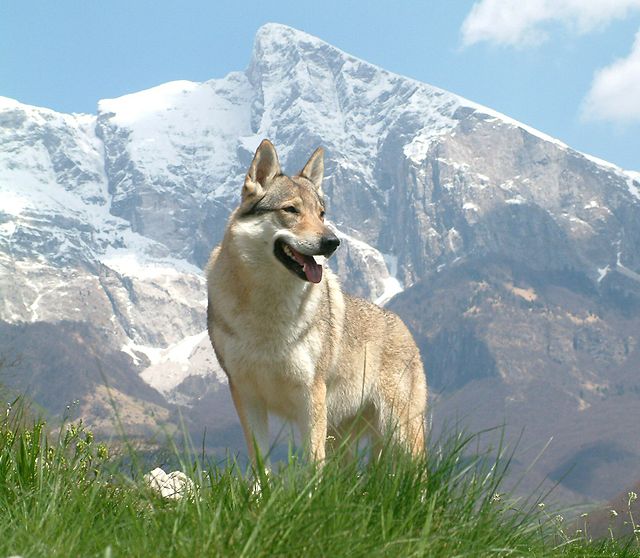
The first Czechoslovakian Vlcak was created by crossing both male and female German Shepherds with male and female Carpathian Wolves.
Food/Diet
Czech Wolf Dogs are big animals and require a well-balanced diet with high levels of nutrients and proteins.
Although highly intelligent, Czech Wolf Dogs are not the easiest dogs to train.
Training
Although highly intelligent, Czech Wolf Dogs are not the easiest dogs to train. The key in training this dog lies in finding motivators that can drive the dog towards desired behaviors. They can often get bored with repetitive training techniques and can lose interest in the training effort. It is also important that trainers are extremely experienced and know how to display affectionate but firm leadership over these dogs.
Weight
Although a big animal, the Czechoslovakian Vlcak is slim and only weighs in at around 54 pounds.
Temperament and Behavior
Czech Wolf Dogs are as intelligent as they are strong and make excellent companions for the right dog owner. Once an owner is able to display strong and consistent leadership and dominance over his charge, a Czechoslovakian Vlcak will make a loving and devoted companion for life and will willingly risk its life to protect its master. Although alert and watchful, these dogs rarely attack without cause and make excellent guard dogs.
Once they form a strong bond with their human handlers, Czechoslovakian Vlcaks are often very affectionate and playful although reserved around strangers. They are also affectionate towards children. They can however be aggressive towards other dogs if not given strong leadership. It is also extremely important to keep their hunting instincts in check as this can be dangerous around other smaller animals.
Czech Wolf Dogs also have a varied range of expressions other than barking, like whining and shallow growls, which is why an experienced dog handler is essential.
Common Health Problems
The Czechoslovakian Vlcak is a generally healthy and hardy breed and do not suffer from any major hereditary health issues. They can however suffer from hip dysplasia on occasion, but this is common in dogs of this size.
Life Expectancy
Czech Wolf Dogs often enjoy extremely long life spans and can life for up to 16 years.
Exercise Requirements
Czech Wolf Dogs require daily rigorous exercise and a short walk each day will not cut it for these dogs. Owners should be prepared to devote at least 2 hours each day to exercise their Czech Wolf Dogs and drain their excess energy. Like all intelligent dog breeds, these dogs are at their happiest when they are given a “meaningful” job to which they can devote themselves to.
Czech Wolf Dogs are as intelligent as they are strong and make excellent companions for the right dog owner.
AKC
The Czechoslovakian Vlcak is included in the American Kennel Club’s Foundation Stock Service.
Coat
The Czech Wolf Dog’s wolf-like coat only needs to be brushed and washed occasionally.
Puppies
As with all powerful breeds, early socialization with humans and various animals is an extremely crucial part of being a responsible Czechoslovakian Vlcak owner.
Photo credit: Margo-CzW/Wikimedia