You’re lounging on your couch when suddenly you get a whiff of Fritos - only no one’s snacking in the house. It won’t take long before you realize that the real culprit for the yeasty odor is your pet’s paws, which can get quite stinky really fast. And it’s not just that smelly, dirty paws are yucky – they can be a ripe breeding ground for all sorts of bacteria and fungi. So to cut things short, yes, it's a good idea to clean your dog's paws after walks, especially if your dog has been walking in areas where there might be dirt, mud, chemicals, or other potential contaminants. Here is what you need to know.
Cleaning your dog's paws can help prevent them from tracking dirt and germs into your home and can also prevent skin irritation or infections. You wash your hands after being outside, after all, don’t you? You should treat your furry friend’s paws no differently. Like our hands, their paws come into contact with all kinds of nastiness when outside – even more, actually – so it’s essential to keep good hygiene to prevent any issues.
Now that we’ve established that washing your dog’s paws is very important, here are some basic tips on how to keep those jelly beans spic and span!
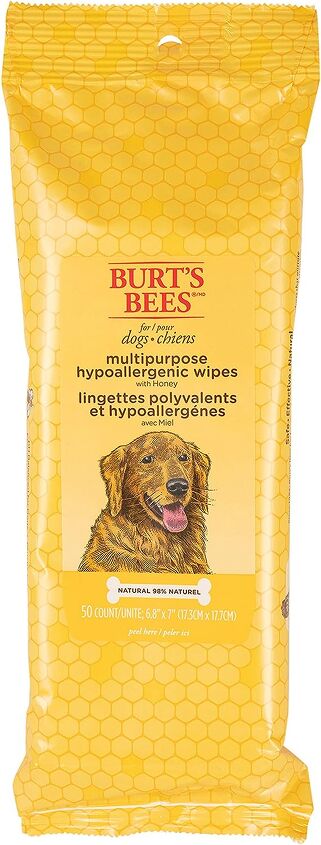
- Clean with a damp cloth or wet wipes
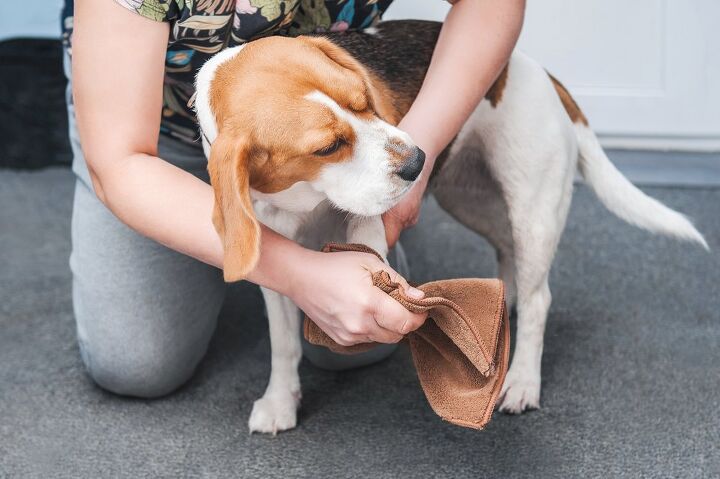
Keep a damp cloth or pet-safe wipes near your door and wipe your dog's paws when you return from a walk. Personally, I prefer these hypoallergenic dog wet wipes because they are made with pet-safe ingredients (99.7% of the ingredients are also naturally derived) and contain no colorants, sulfates, or fragrances. Make sure to clean between the paw pads and the spaces between the toes. This is a quick solution, but might not be ideal if your pet’s paws are really muddy.
- Soak their paws
You can fill a shallow basin or tub with lukewarm water and mild pet-safe shampoo. Dip your dog's paws into the water and gently scrub any dirt or debris. Be sure to dry off their paws thoroughly afterward. However, while efficient, this method can be time-consuming and difficult.
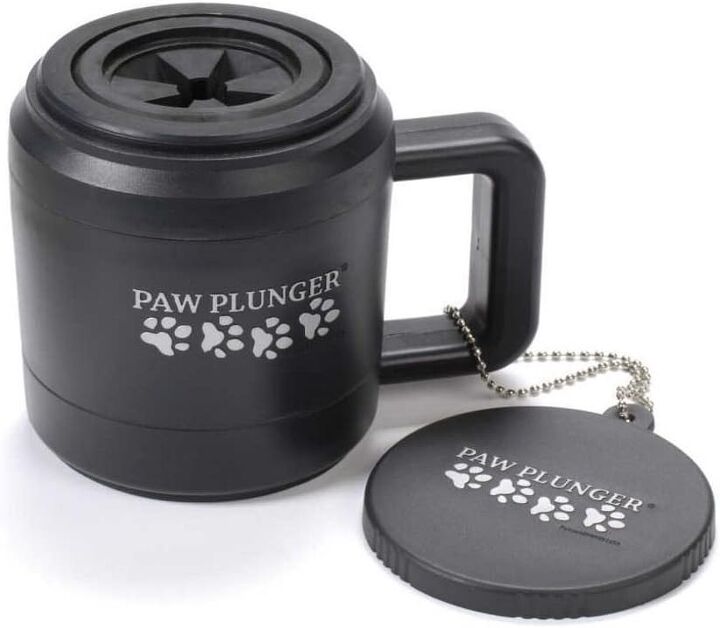
- Use a paw cleaner
Paw cleaners are gadgets designed specifically for cleaning a dog's paws. You fill the cleaner with water, insert the paw, and then move it around to clean the paw. This can be especially useful for dogs who don't enjoy having their paws soaked in water. Here’s a classic paw plunger for medium dogs that can work wonders – it’s inexpensive, portable, and very efficient.
- Bonus tip: Trim paw hairs
While not exactly a part of everyday routine after walks, a it's a good idea to trim your pet’s paw hairs every once in a while. If your dog has long hair on their paws, it might be a good idea to trim it to prevent dirt and debris from getting trapped. This can also help with keeping their paws clean. After all, debris and dirt will stick more easily to a paw that’s unkempt and untrimmed.
While cleaning your dog's paws, take the opportunity to inspect for any cuts, abrasions, or foreign objects that might be stuck in their paw pads. If you notice anything unusual, consult your veterinarian. Paw pads can be sensitive, especially if they are dry and cracked. They too require special care and attention, in order to remain healthy.
Remember that the frequency of paw cleaning can depend on various factors such as the weather, the environment you're walking in, and your dog's specific needs. If your dog has sensitive skin or allergies, you might want to use hypoallergenic wipes or consult your veterinarian for recommendations based on their specific issues.