The days are growing colder and colder, and your pet is more and more hesitant when it’s time to go out for a potty break – who could blame them? It’s not like we owners don’t need to give ourselves a pep talk when it’s time to take our dogs out for a walk when it’s snowing outside or the icy wind is whipping everything in sight.
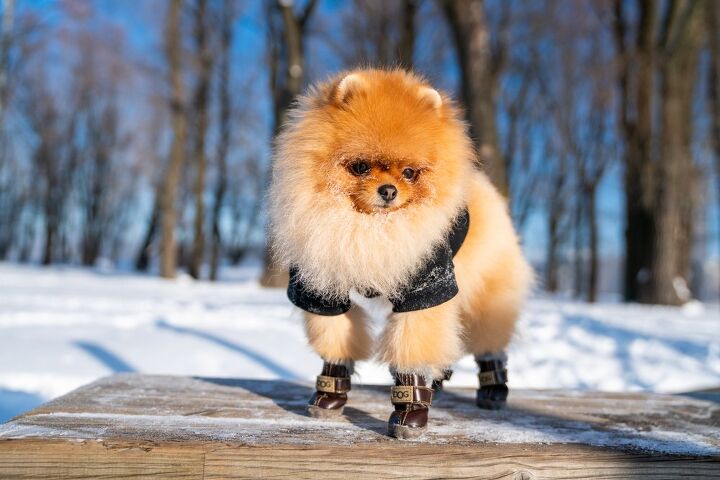
While winter can be very unpleasant for your dog, there are ways to keep your pooch toasty and more comfortable when the temperatures drop, ranging from cozy winter coats, warm blankets, and protective winter boots. Yes, those cute little booties are more than a fashion statement – if you’ve been questioning their efficacy, read on to find out if your pet could use a pair of nice winter boots to keep their paws snug and warm.
You might think that paws are naturally protected from the cold ground and rough terrain thanks to their unique properties, but that’s only partially true. Not all doggos are built the same. As they come in different shapes and sizes, and with different coat lengths, it means that they will experience winter and cold temperatures in different ways. But even so, no dog’s paw should be left to endure the snow, the ice, and the rock salt on the asphalt streets. That means that dog boots in winter are far more than a simple piece of the outfit. They protect, keep warm, and ensure that your dog’s paws are safe from injuries, irritations, and dangerous substances.
Of course, some dogs need winter boots more than others. Small and toy dogs are much more vulnerable to cold and low temperatures, and they will need protection from the elements without a doubt – that means both a winter jacket and boots. The same goes for senior dogs, whose aching joints and paw pads are much more vulnerable to the elements than they were when they were young.
Ultimately, however, dogs of all ages and sizes should be accustomed to wearing dog boots. They protect your pet’s paws in any weather, and come with a range of other advantages, too – these are the main five benefits of dog boots:
#1 Traction
Thanks to dog boots, your pet will no longer have trouble walking on icy or slick surfaces. Boots provide grip and traction, and your next wintery outing will be much safer and faster thanks to them. This is especially important to seniors, who can seriously injure themselves and endanger their mobility due to slips and falls on icy surfaces.
#2 Insulation
The boots are there to protect from extreme temperatures. This goes for both winter and summer. So whether it’s ice and cold, or the hot summer asphalt, the boots are there to provide safety – no frostbite on the paw pads, no burns on their delicate little beans.
#3 Hygiene
Cleaning your dog’s paws after every walk can quickly become a tiring chore – kudos to you if it doesn’t. Winter brings mud and slush with it, and without the boots, all that mess remains on the paws and gets inside your house, so you need to clean your pet’s paws every single time you come in from outside. `thanks to dog boots, this can be a thing of the past.
#4 Comfort and care
Dogs can have very sensitive paw pads, especially if they are older and cracked. Thanks to dog boots, winter doesn’t have to exacerbate these issues. Padded and comfy, dog boots ensure that walking on various surfaces is smooth and pain-free.
#5 Prevention of injuries
When it comes to the protection of paw pads, nothing beats dog boots. In winter, there are a lot of hazards on the walking surface. Ice shards, frozen rocks, icy puddles, and rock salt – the list is endless. Thanks to the protection of the boots, your pet will be safe from abrasions, cuts, and frostbite.
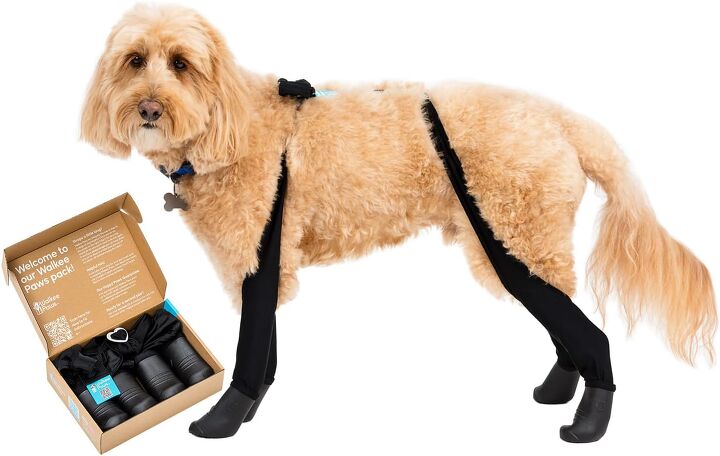
Dog boots come in various shapes and sizes, and some dogs will be quickly accustomed to them, while others just won’t. Because of this, you should work early in your dog’s life to train them to wear dog boots. It can save you a lot of hassle. Of course, there are special easy-on stay-on dog boots that are easy to put on and can’t be shaken off. These are ideal for dogs who aren’t really welcoming to the whole idea of boots.
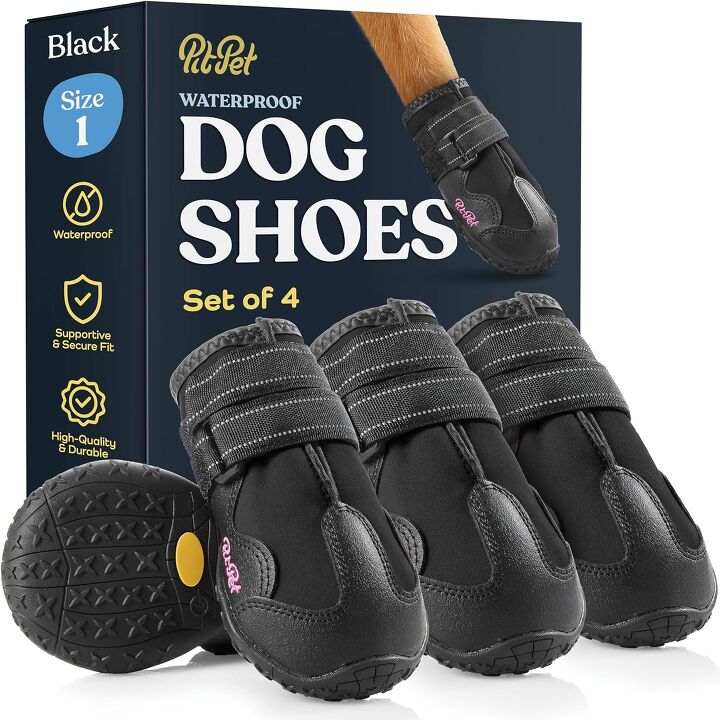
On the other hand, you can always opt for the classic dog boot design that looks good, protects the feet, and greatly improves your pet’s traction.