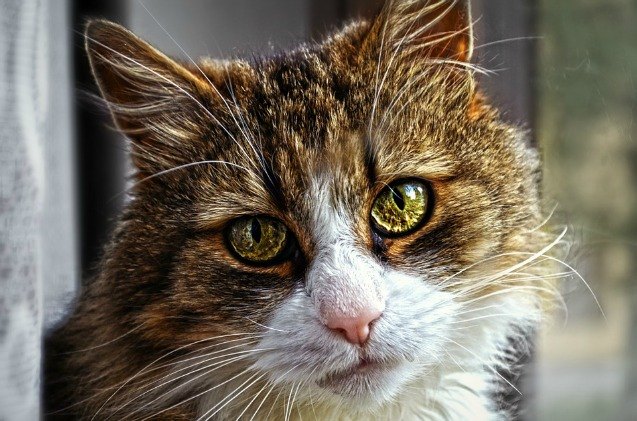
What Is Stomatitis in Cats?

Published A Few Days Ago
ADVERTISEMENT

Your cat may not be happy because she has stomatitis – a type of dental disease. But what is stomatitis and how does it stop your cat from smiling?

While you may have heard stomatitis referred to as oral inflammatory disease or gingivostomatitis, the bottom line is that this is one nasty disease that requires you seek out immediate medical treatment for your pet. Stomatitis produces excruciatingly painful inflammation inside your cat’s mouth (typically the back of the mouth and gums) and can result in weight loss, drooling and breath so bad you can smell it from several feet away.

Although the actual cause is thought to be a breakdown in your pets immune system resulting from feline leukemia, bartonellosis, dental disease or the feline immunodeficiency virus, the truth is it’s not a particularly picky disease and cats of any age or breed can be affected.

Related:Cleaning Cat Teeth – A Guide to Dental Care for Cats

What causes stomatitis?

In a nutshell, your cat’s immune system begins to reject its own teeth and attack the surrounding tissue. As impossible as that sounds, this painful condition results in ulcers forming in her mouth and on her lips, tongue, gums and the back of her throat. Symptoms include heavy drooling (because it’s too painful to swallow), difficulty eating or crying while trying to eat as well as an unkempt appearance because she can no longer groom herself. The trauma caused by these ulcers will also result in her drool being tinged with blood. Yes, it’s that bad.

When it comes to making a formal diagnosis, your poor puss may need some sedation in order for her mouth to be opened and properly examined. While tissue samples may be taken for a biopsy, a physical exam can often identify stomatitis and dental x-rays will help your veterinarian determine its progression and recommend next steps.

Related:Why You Shouldn’t Ignore Your Cat’s Bad Breath

Though the actual disease appears to be virus-based, it is known to be triggered by the plaque and bacterium that attaches itself to tooth surfaces. As a result, the most successful way to treat stomatitis is to remove all teeth and roots. Yes, it’s a drastic resolution but it also has the highest rate of success in terms of a complete remission (or dramatically reduced inflammation) and in the end, don’t we just want our pet to be happy, healthy and pain-free? House-cats can actually live quite comfortably without their chompers!

If this feels too extreme for you, other options can include the use of steroids and cyclosporine drugs to modify her immune system or a long-term treatment of anti-inflammatory medications (and antibiotics) coupled with regular tooth-brushing and dental care to minimize the amount of plaque and subsequent inflammation.

ADVERTISEMENT

ADVERTISEMENT

You May Like

Silky Terrier

The Silky Terrier is an energetic, entertaining and confident companion dog. Dependable and loyal, you''ll find it to be a wonderful watchdog, and friend.

Kerry Beagle

The Kerry Beagle was built for speed and endurance. Originating from Ireland, this breed isn''t related to the Beagle we''re familiar with in North America.

Nine Toasty Tips To Keep Your Senior Dog Warm Outdoors This Winter

The star and the inspiration for this post is Kevin Roberts’ dog, Willow, who has since crossed over the Rainbow Bridge. He brought her home when she w…

Great-Billed Parrot

Although quite large, the unique-looking Great-billed Parrot is calm and laid-back, with a docile and sociable temperament.

Tails From A Pet Sitter: Walking In A Winter Blunderland

An excited dog and slippery conditions don’t mix. Here’s how to safely walk your four-legged friend in the snow. This time of year can be dishear…

5 Easy Tips to Discourage Cats From Jumping on Counters

When it comes to curtailing our curious cats, we need to take a look at not only how we can stop them but also at why they’re doing it in the first place.

Missouri Fox Trotter

The Missouri Fox Trotter is known for its calm and gentle nature. This horse breed is docile and reliable, and it thoroughly enjoys being around people.

What Is Von Willebrand in Dogs?

Von Willebrand in dogs occurs because of a deficiency of von Willebrand Factor. It is responsible for blood clotting, a carrier protein for coagulation Factor VIII.

4 Tips to Keep Pets Safe From House Fires

Are you ready for a house fire? What happens if you''re not at home and your pets are inside? Here are four tips to keep your pets safe from house fires.

Best Wheelchairs for Dogs

To help you choose the best mobility aid for your four-legged best friend, we''ve rounded up the most popular and best-reviewed wheelchairs for dogs.?

Tibetan Terrier

The Tibetan Terrier is an intelligent and mischievous dog that will be dedicated to its family. An excellent companion that is happy in most homes.

What is Lifetime Cover Dog Insurance?

Do you want to make sure your dog is completely covered? Look into Lifetime Cover Dog Insurance If dog insurance policies are all Greek to you, you might be…

Iris Lorikeet

Iris lorikeet has all the traits that make a great pet parrot - but it can be hard to find one for sale. Find out what''s special about these popular birds!

Affenshire

The Affenshire is a designer dog breed, developed by crossing a Yorkshire Terrier to an Affenpinscher. Learn more about these unique tiny dogs!

German Spitz Klein

Known as both the Miniature Spitz and the German Spitz Klein, this breed is bright and friendly by nature. It is a friendly and active little breed.