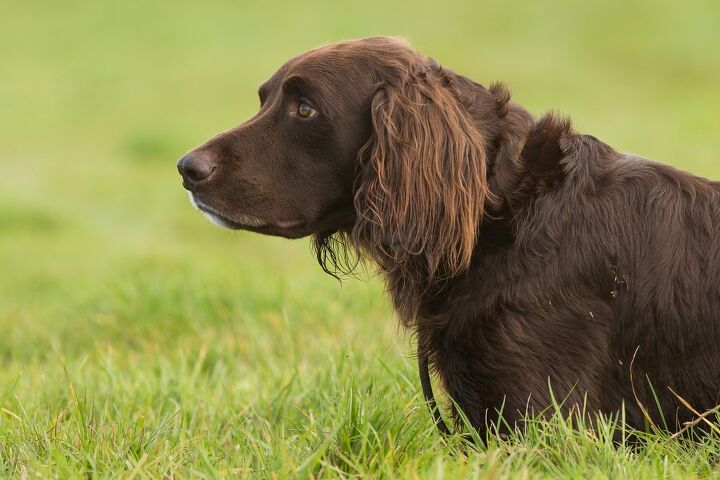
German Longhaired Pointer Basics
The German Longhaired Pointer or GLP is a large-breed dog developed in Germany as a multipurpose gundog. These dogs are closely related to other pointers and they were bred to be muscular and athletic, able to perform a wide variety of tasks in the field. In addition to being a talented gundog, the German Longhaired Pointer is a kind and gentle breed that may do well as a family pet, provided his exercise needs are consistently met.
The German Longhaired Pointer or GLP is a large-breed dog developed in Germany as a multipurpose gundog.
Origin
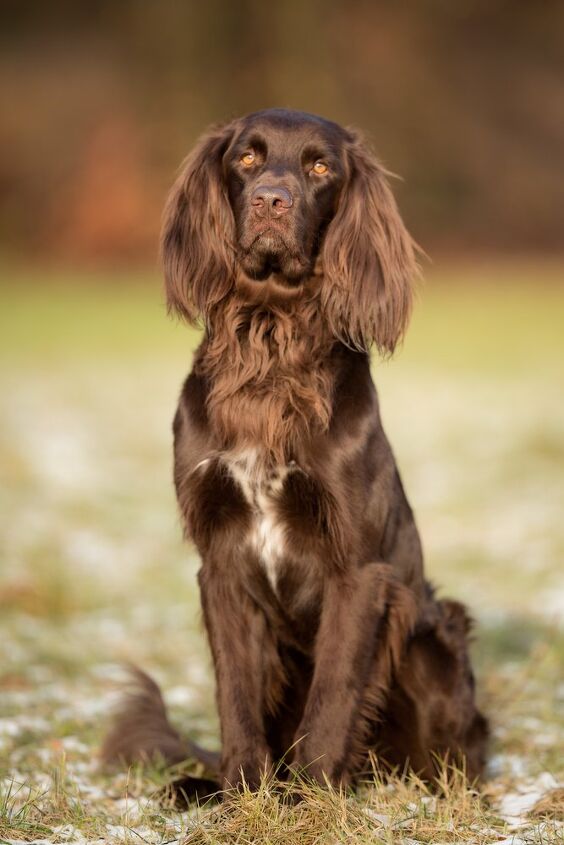
The German Longhaired Pointer was originally developed in Germany for use as a pointer. Because the early specimens of the breed were too slow for hunting, however, they were eventually crossed with English Pointers and setters during the 19th century to improve their speed. The resulting dog was faster, but stubborn and temperamental, so additional crossings were required to improve the breed’s temperament. Eventually, the dog came to be friendly and steady in temperament, successful both in the field and in the show ring. The modern German Longhaired Pointer is a versatile gundog, able to work as a pointer, retriever, setter, and tracker.
Pedigree
The German Longhaired Pointer is closely related to other German breeds including the German Shorthaired Pointer, the German Wirehaired Pointer, and the Large Munsterlander.
Food/Diet
As a breed that weighs over 50 pounds at maturity, the German Longhaired Pointer should be fed a high-quality dog food formulated for large breeds. These recipes are made with plenty of protein to support your dog’s lean muscle mass with moderate fat content to prevent obesity. If you use your dog for hunting, however, you may want to consider an active or working breed formula to account for his high energy requirements.
Training
The modern German Longhaired Pointer is an intelligent and hardworking breed. Developed as a multipurpose gundog, the GLP has the potential to learn a great many skills. These dogs are steady in temperament and they love to work, so they are generally fairly easy to train. They do, however, require a firm and consistent hand in training to prevent any stubborn tendencies that may still be lingering. These dogs respond well to positive reinforcement training.
Weight
The German Longhaired Pointer is a medium- to large-sized breed, standing 23 to 28 inches tall and weighing 55 to 80 pounds.
Temperament/Behavior
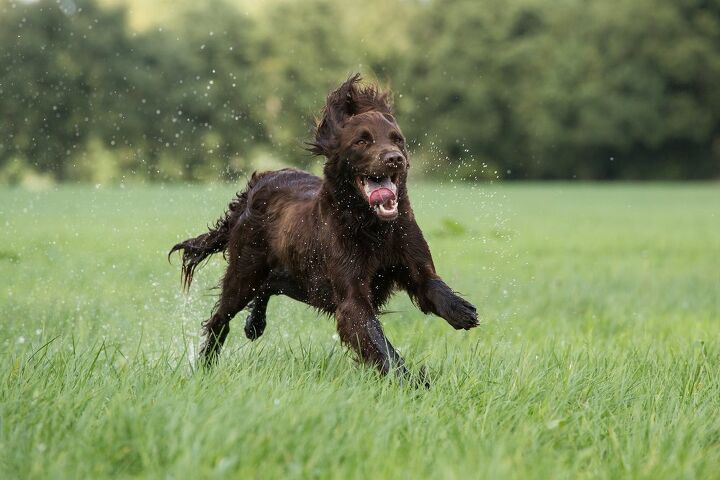
The temperament of the German Longhaired Pointer has changed over the course of the breed’s history. Though early specimens of the breed were stubborn and temperamental, selective breeding has led to the modern breed being a gentle and friendly breed of steady temperament. These dogs are bred to work hard in a variety of roles, but they also make good family pets as long as their high needs for exercise are consistently met. This breed does very well with children and gets along with other dogs as well, though you may need to supervise him around cats and other household pets.
Common Health Problems
The German Longhaired Pointer is generally a healthy breed without any known genetic health problems. As a gundog, however, they are prone to field injuries and their pendulous ears may put them at risk for ear infections. They may also be at risk for gastric torsion or bloat due to their larger size.
Life Expectancy
The average lifespan for the German Longhaired Pointer is 12 to 14 years.
Exercise Requirements
As a multipurpose gundog, the German Longhaired Pointer is very active and athletic. These dogs have high needs for exercise and will not do well if those needs are not met. They require at 30 minutes of vigorous exercise per day, ideally 60 minutes, and will appreciate having a fenced yard in which to run.
AKC
The German Longhaired Pointer is not currently recognized by the AKC but is a member of the Foundation Stock Service. The breed is recognized by the FCI in Group 7 and by the UKC as a gundog.
Coat
As the name suggests, the German Longhaired Pointer has a long coat that measures between 1 and 2 inches on most of the body with longer feathering on the belly and legs. The coat should not be curly, but a slight wave is permissible. The breed typically comes in solid brown with some white permitted. The texture of the coat is neither silky or soft, but firm with good shine.
Puppies
The average litter size for the German Longhaired Pointer is between 4 and 6 puppies. Puppies should be started with training and socialization from an early age, particularly if you plan to use your dog for hunting. In terms of feeding, puppies should be fed a large-breed puppy food to support their growth and development while preventing them from growing too quickly and putting excess strain on their developing bones and joints.
Photo credit: BIGANDT.COM/Shutterstock; Burry van den Brink/Shutterstock