German Shorthaired Pointer Basics
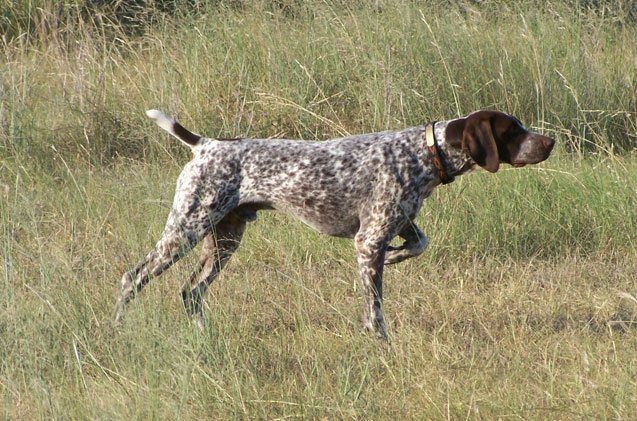
All of our grandmothers taught us that it’s impolite to point. However, there is one important exception to this rule. The German Shorthaired Pointer gets a pass and as a result, you can feel free to point at them as well (they are adorable enough that you’ll want to point them out to all friends and family). Loyal and athletic, the German Shorthaired Pointer is best when it’s active. That’s because the breed was bred for hunting. As a pointer (it will point out any game that its owner has killed), this breed is strong, graceful and powerful. Their sleek figure and the short coat with the distinctive pattern certainly leave a lasting impression. You won’t be able to take your eyes off of one of these beauties once it trots into your life.
If you’re thinking of adding a German Shorthaired Pointer to your family, you should be aware of its athletic requirements. This breed needs daily exercise, both mental and physical. Since it is so energetic, your dog will need at least an hour of exercise every day or it may become frustrated. If you have the time to put into this eager to please, friendly dog, you’ll be well rewarded with an amazing family pet. Just be aware that there will be significant exercise involved.
So is the German Shorthaired Pointer the breed that you’ve been looking for? Will it fit into your family with ease? Fortunately, you’ve come to the right place to find out. Keep your eyes glued to this page and scroll away. You’re about to learn everything that you could possibly want to know about the German Shorthaired Pointer.
Loyal and athletic, the German Shorthaired Pointer is best when it’s active.
Origin
As you would suspect from its name, German Shorthaired Pointers originally came from Germany (shocking, we know!). They were developed during the 1600s and since then, this pointing and hunting dog has become one of the most versatile of all hunting breeds. German hunters wanted an all-purpose utility dog that had a good nose and could also point, track, and retrieve. On top of all that, they also wanted a good family companion and watchdog for when they weren’t hunting. The result is the German Shorthaired Pointer we see today. A hunting dog that also fits in well at home.
Pedigree
It is hard to tell what the exact heritage of the German Shorthaired Pointer actually is. Many think that the German Shorthaired Pointer is the result of different types of German hunting, scent hounds, trail and track dogs. These include the Old Spanish Pointer, German Bird Dog, Hounds of St. Hubert (Bloodhound types), and our old friend the Foxhound. Eventually, the English Pointer was crossed in to add an extra burst of speed and endurance. How this all came together is unclear, but the results are undeniable.
The German Shorthaired Pointer was recognized by the American Kennel Club in 1930. It has been a regular show dog ever since.
Food / Diet
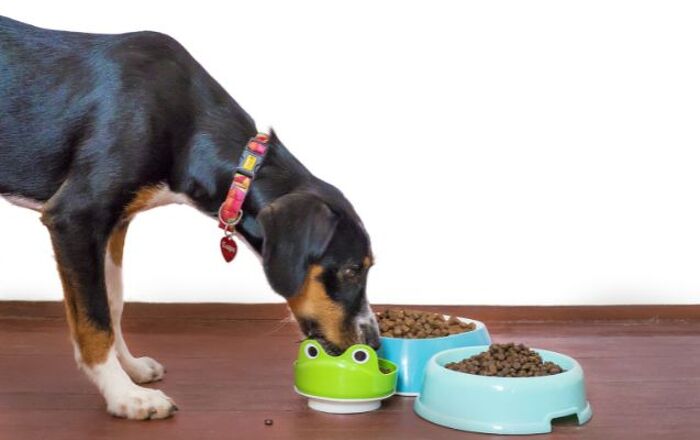
A well-balanced and healthy diet will promote good health, a better-looking coat and ensure the general well being of your pet. German Shorthaired Pointers do best on high-quality dry food for dogs. Kibble is the most convenient way to make sure your pet is getting all of the essential nutrients they need. Choose any of the premium and trusted brands of dog food. Then make sure your dog’s kibble is suitable for their age (puppy, adult, senior), size (medium to large) and activity level (moderate, if your German Shorthaired Pointer is a pet, active if they’re a working dog as well).
Additionally, you might want to feed your pet a raw or B.A.R.F diet or cook them meals at home. Unless this is an occasional treat to switch things up when your dog gets fed up with crunchy kibble, it’s best to contact a professional for advice. A veterinarian will be able to tell you if these alternative diets are a good fit for your dog- and if their nutritional needs are being met.
If you are in any way concerned about what you are feeding your German Shorthaired Pointer, then it is always wise to consult with a veterinarian. While pet food manufacturers and pet blogs provide useful feeding guidelines, these don’t always apply to every dog. All dogs are different after all, each with their own intricacies and needs. Only an experienced vet can accurately determine the dietary needs of your personal pooch. Always rely on your vet for the best advice about what food to put in your pet’s dish!
It may have become famous for its hunting skills, but the German Shorthaired Pointer also makes a great pet, thanks to its loveable demeanor.
Training
This is the hard part for any German Shorthaired Pointer owner. You’ve certainly got your work cut out for you, as German Shorthaired Pointers are smart and need an experienced owner to train them. An assertive person with a firm, yet caring hand will get the best results out of training this breed. Avoid aversive and cruel methods of training as they’re not efficient and they damage the relationship of a dog and its owner (these methods are closer to abuse than training). Instead, use treats and praise to reward your dog’s good behavior or learning progress. Positive reinforcement training has proved to be the best strategy. This is true when training any dog, but especially true when it comes to a smart and stubborn dog like the German Shorthaired Pointer.
While your dog is still in its puppyhood, start with the essentials. Potty training, leash training, and basic commands are a good place to begin your training regime. As your puppy learns about proper behavior, make sure to include socialization as well. Teach them how to act around kids, strangers, and other dogs while they’re young, and you’ll have a sweet, friendly pet in the long run. While it is possible to curb problematic behavior in a dog later on, it’s always best to set the right standards while they are still young and impressionable puppies. Since this is a high-prey drive breed, they might not be the best choice for families with cats and smaller pets, even if socialized on time. It’s simply not in their nature to share a home with another furry friend.
Additionally, you should expect even more training if you plan to use this dog for hunting purposes. This requires additional effort, time, and knowledge about dog training than the basics. So don’t be go thinking just anyone can do it. This is for experienced owners or professional trainers only.
The German Shorthaired Pointer is not the best choice for a beginner dog owner. If you’ve never had to train a dog before, you might find this breed a handful. However, if you’re serious about getting one of these majestic dogs, you’ll need to put your new pet in a formal training program or hire a professional dog trainer. There’s no shame in this. It’s always better to hire a professional trainer than
Weight
Male German Shorthaired Pointers tend to fall in the 55 to 70 pounds range, while females typically weigh 45 to 65 pounds. German Shorthaired Pointers live to be active, so extra weight shouldn’t be a problem.
Temperament / Behavior
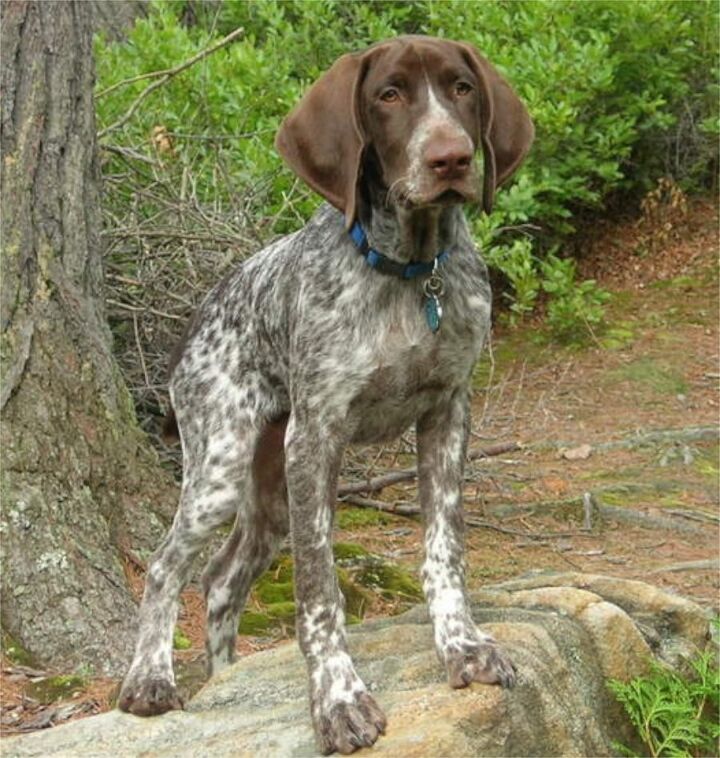
It may have become famous for its hunting skills, but the German Shorthaired Pointer also makes a great pet, thanks to its loveable demeanor. Dedicated to its owners, this breed will be sociable with other animals and humans. But the best part is that the German Shorthaired Pointer loves children – in fact, it will often become more attached to the children in the house than to the adults. So, the only potential issue with bringing a German Shorhaired Pointer home to your family is that you might get jealous of the bond that they form with your children!
The intelligence and high energy levels of the German Shorthaired Pointer make it a good fit for active families or singles. An ideal lifestyle for this breed is having a human companion that would love going on hikes or exploring outdoors- all the while keeping their four-legged bestie close by. They are very loyal and will love to be a part of every family activity, especially if it’s something where they get to burn off their extra energy.
Because it is attached to its owners, the German Shorthaired Pointer makes a superb watchdog. Not only will it alert you to danger, this dog will fight back to keep its family from harm. It’s also helpful if you have other pets, like cats or dogs, in your household, to keep your German Shorthaired Pointed busy (even if, as mentioned above, there might be problems that arise when you mix one of these dogs with smaller furry friends).
Common Health Problems
The German Shorthaired Pointer has a few health concerns you need to watch out for. These include entropion, epilepsy, hermaphrodism, hip dysplasia, and skin disorders. It’s important to maintain regularly scheduled checkups with your vet (especially as your dog ages into his senior years) to ensure that any potential health issues are identified and treated as early as possible).
Because of its floppy ears, the German Shorthaired also tends to be prone to ear problems, such as infections. Clean your dog’s ears on a regular basis to avoid any problems.
Life Expectancy
German Shorthaired Pointers have a life expectancy of 12 to 18 years, a very long lifespan for a dog.
Exercise Requirements
The German Shorthaired Pointer is a working and hunting dog, which means it needs a lot of activity. Bred to be active, you need to keep your dog going, even if you don’t use it for hunting. Take your pooch on walks and runs every day (ideally totally in a full hour of walking time every day). And it’s a great excuse to get the family out on a hike or camping trip – it’s the perfect way for your dog to run around and spend some of its energy.
Consider yourself warned – when your German Shorthaired Pointer doesn’t get enough exercise, it can get unhappy and unhealthy. Your dog will mope around the house and even destroy furniture. It’s important to help this breed burn off all of his excess energy every day to maintain the pooch’s mental and physical health.
Dedicated to its owners, this breed will be sociable with other animals and humans.
AKC
The American Kennel Club says this about the breed: “A versatile hunter and all-purpose gun dog, the German Shorthaired Pointer possesses keen scenting power and high intelligence. The breed is proficient with many different types of game and sport, including trailing, retrieving, and pointing pheasant, quail, grouse, waterfowl, raccoons, possum, and even deer.”
Coat
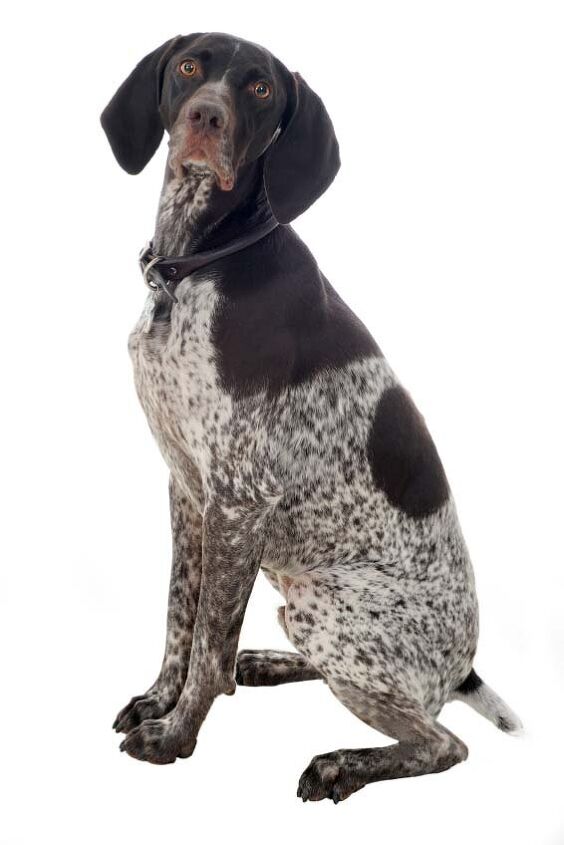
Flat and coarse, the German Shorthaired Pointer’s hair is short and thick. There are many different colors common with the German Shorthaired Pointer, including white, black, red, orange, tan, lemon, and brown. It’s rare to see one that’s one solid color – usually, it has a solid color on its head with spotted fur on the rest of the body.
Expect your German Shorthaired Pointers to shed a lot. That means that you can expect to find plenty of its coarse and rough hair gets all over the house if you aren’t careful. You can limit the amount of hair that is shed by grooming your German Shorthaired Pointer on a regular basis (we recommend weekly grooming sessions for the best results).
Puppies
German Shorthaired Pointer puppies are a bundle of energy. Start training early, especially if you plan to use this dog for hunting. In the first months of their life, all puppies can be a handful, but that’s especially true with this breed. They have a lot of energy and a high prey drive and will always be on the move. On the bright side, your kids will love playing with this puppy, although it will be hard to say who will tire first – your kids or the puppy.
When it comes to the price of German Shorthaired Pointer puppies, it varies from $1,000 to $3,500. Before you buy a dog, though, check out your local shelter– these dogs are often abandoned because owners don’t have the time to exercise them. You might get to save a life and get yourself a majestic German Shorthaired Pointer pet in the process.