Dogs thrive when they have an established routine. They like things to be predictable, so surprises are not always welcomed with enthusiasm. This means that any major changes in that established routine will require plenty of adjustment and could result in some odd behaviors. Needless to say, stressful changes for the owners such as moving or changing jobs can be made even more stressful when their dogs start chewing furniture or peeing in the house out of the blue. However, don’t worry – there are ways to help your four-legged friend adjust to this new routine, and quickly accept the changes. Here are the most important tips to keep in mind.
7 Life-Saving Tips To Help Your Dog Adjust to a New Routine
Adjusting to a new routine can be challenging for everyone, not just dogs. There can be a lot of stress and anxiety involved. Still, it is not the end of the world, and you need to let your pet know that. With some patience and consistency, you can help them adapt much more easily. Here’s what you can do to make the changes go over smoothly with your pooch:
- Gradual transition: Introduce changes gradually rather than abruptly. Sudden shifts can cause stress or anxiety in dogs. Adjust their meal times, exercise routines, and other activities over a period of days or weeks, little by little.
- Consistent schedule: Dogs thrive on , so establish a consistent daily schedule for feeding, walking, playtime, and rest. Stick to this schedule as closely as possible, as it provides a sense of stability and predictability for your dog.
- Maintain familiar elements: If possible, try to keep some elements from the old routine intact. For example, if your dog had a specific sleeping area or a favorite toy, make sure to incorporate them into the new routine. Familiar objects can provide comfort during the adjustment period.
- Positive reinforcement: Use positive reinforcement techniques to reward your dog for adapting to the new routine. Offer treats, praise, or playtime as rewards when they exhibit good behavior or successfully follow the new schedule. This will help motivate and reinforce positive associations with the changes. make a great bribe – not only that they’re crunchy and taste heavenly, but they’re also human-grade and completely natural.

- Patience and understanding: Have in mind that your dog may need some time to adjust, especially if the routine change is significant. Be patient and understanding during this transition period. Give them extra attention, love, and reassurance to help them feel secure and reduce any anxiety they may experience.
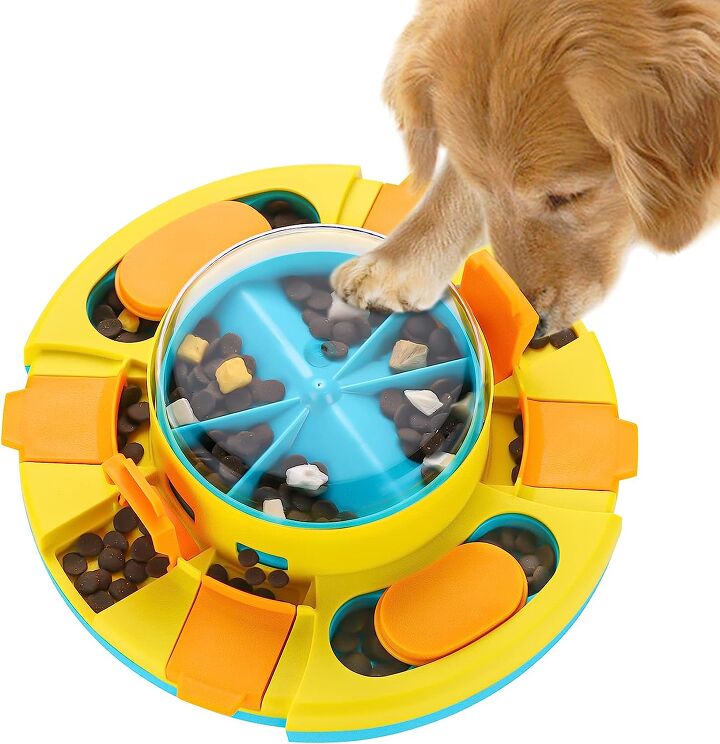
- Exercise and mental stimulation: Ensure that your dog receives regular exercise and mental stimulation, as these are essential for their well-being. A tired dog is generally more adaptable and less likely to become restless or anxious. Engage in activities such as walks, playtime, puzzle toys, or training sessions to help them expend energy and stay mentally stimulated. for some solid mind-tickling playtime that will keep your pooch entertained and occupied for hours on end.
- Seek professional guidance: If your dog is struggling significantly with the adjustment or displaying signs of distress, it may be helpful to consult with a professional dog trainer or a veterinarian who specializes in behavior. They can provide personalized guidance and strategies to address your dog's specific needs.
Remember, every dog is unique, and their adjustment time may vary. By providing a stable routine, plenty of love and patience, and positive reinforcement, you can help your dog adapt to their new routine more smoothly. During the transition period, observe your dog's behavior closely. If you notice signs of prolonged stress or anxiety, it's essential to monitor their well-being and consider adjusting the new routine if necessary. Some dogs may require additional support or modifications to help them settle into the new routine more comfortably. Do things right, and they should adapt in no time!