Need another good reason to quit smoking? That nasty habit could be killing your dog!
You probably already know the dangers of second-hand smoke for infants and children, but how does it affect your dog? Numerous studies have been conducted to test the effect of cigarette smoke on dogs over time – many of these studies report very harrowing results. In this article you will learn how second-hand smoke affects your dog and what you can do to protect him.
Studies Regarding Cigarette Smoke and Pets
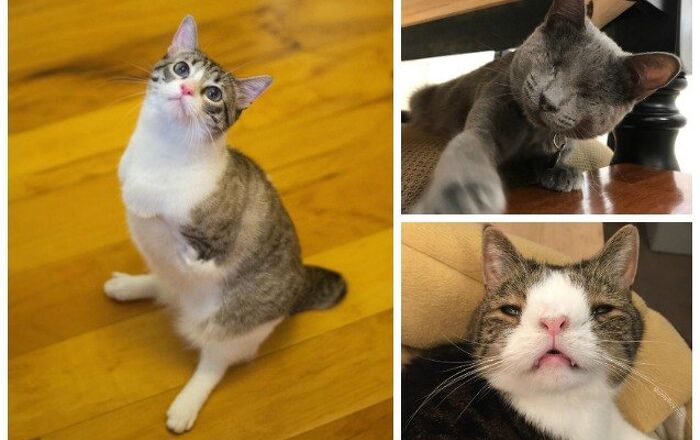
In 2012, a case report was published which followed the development of a tracheal carcinoma in a cat that was exposed to large amounts of second-hand smoke in the home. The results of another study, published in 2002, suggested that second-hand smoke may increase the risk of lymphoma development in cats by as much as 50 percent. But how exactly does cigarette smoke affect pets? According to Heather Wilson-Robles, an assistant professor at Texas A&M College of Veterinary Medicine and Biomedical Science, exposure to second-hand smoke causes significant changes in the lung tissue of dogs over time. These changes may be as simple as fibrosis (scarring of the lung tissue) or as severe as the development of precancerous and cancerous lesions.
Related:Top 10 Dog Breeds With Allergies
How Your Habits Affect Your Pet
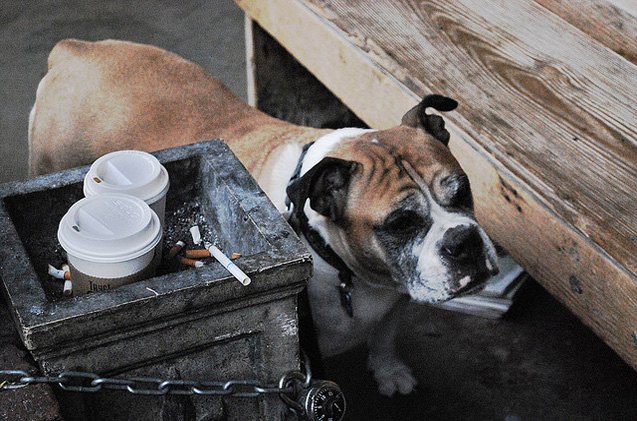
While your smoking habits directly affect your pet if they inhale second-hand smoke, this is not where the danger ends. Your pet may also be put at risk by consuming drinking water that contains cigarette butts or by eating the discarded cigarette butts themselves. Eating a single cigarette can be fatal for small dogs, and as little as 1/3 of a cigar can have the same effect. Second-hand smoke is particularly dangerous for dogs that suffer from asthma or other respiratory conditions. Dog breeds with long muzzles are more at risk for developing nose and sinus cancers while dogs with shorter muzzles are more likely to develop lung cancer. Even cats can develop cancer as a result of second-hand smoke – in addition to breathing the smoke, they also consume toxic substances that accumulate on their fur as they groom themselves.
Health Effects of Cigarette Smoke
Inhaling second-hand smoke can cause a number of reactions and health problems in pets. Some of these problems are:
Related:Top 10 Foods That Are Bad For Dogs
How to Protect Your Pet
The best thing you can do to protect your pet is to quit smoking – not only will this protect your pet from dangerous second-hand smoke, but it will also keep him from coming into contact with cigarette butts and other tobacco products. If quitting is not an option, you can at least be responsible about how you engage in your smoking activity. Always smoke outdoors away from your pet so the smoke does not accumulate in the house and dispose of cigarette butts properly. You should always wash your hand after smoking before you touch your pet so you do not transfer toxic substances to his coat.
The next time you go to light a cigarette, think not only about the harmful effects it can have on your body but also on your pet’s. As a dog parent, your dog’s health and wellness is your responsibility so you should do everything you can to keep him healthy – this includes avoiding exposing him to dangerous substances such as second-hand smoke.