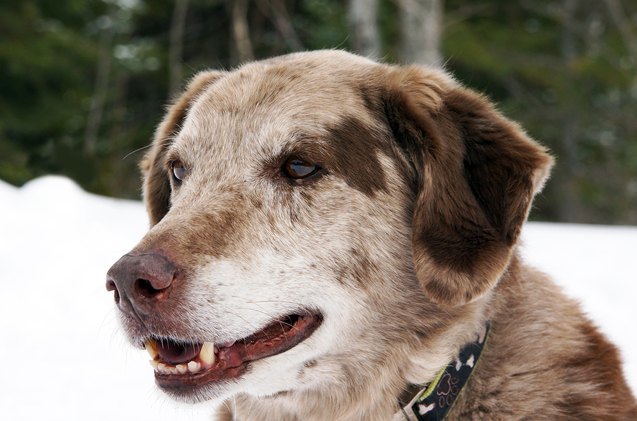
When the temperature drops, your senior dog feels the cold right down to his bones! Make winter comfortable for your old pooch with these preventive tips.
As the weather starts to turn cold and snow starts to fall, your senior dog may have trouble adjusting to the change in temperature. Cold weather can aggravate your senior dog’s arthritis, making it more difficult for him to get around – it can also make sleeping on the floor uncomfortable. With just a few simple changes, you can make sure your beloved furry oldtimer is happy and cozy even when it’s raining and snowing outside. Keep reading to learn about some simple things you can do to keep your senior dog comfortable this winter.
Protecting Your Dog’s Bones and Joints
As your dog gets older, his bones and joints may start to deteriorate which can lead to pain and stiffness – these problems can be exacerbated by cold weather. One of the simplest was to protect your senior dog’s bones and joints during the winter is to include some supplementary glucosamine and chondroitin in his diet. These supplements can be found in powder or solid form – you can also find kibbles that are supplemented with these nutrients.
Related:Eight Toasty Tips To Keep Your Senior Dog Warm Outdoors This Winter
In addition to increasing your dog’s intake of glucosamine and chondroitin to keep his joints lubricated, you should also make an effort to keep your dog moving. Like your own joints, your dog’s joints can become stiff and sore if they aren’t used regularly so keep taking your dog for his daily walk or make adjustments to give your dog some daily indoor exercise. If you do take your dog outdoors for exercise, consider putting boots on his feet for extra traction to prevent falls.
Giving Your Dog a Comfy Place to Sleep
In addition to keeping your dog moving and supplementing his intake of glucosamine and chondroitin, you should also make sure that your senior dog has a comfortable place to sleep. The floor becomes extra cold and hard during the winter, so consider giving your senior dog a plush dog bed or a raised dog bed.
Related:10 Best Beds For Dozy Dogs
A plush dog bed will keep him off the cold floor and it will reflect some of his own body heat back to him – this is especially true for models that have cushioned bolsters around the edges. An elevated dog bed can also keep your dog off the cold floor and it provides some extra support for his bones and joints. If your dog suffers from arthritis, you may even consider a memory foam dog bed for maximum bone and joint support.
Let Food Be Thy Medicine
Feeding your dog a high-quality diet will help to keep his energy levels up and it will help him to feel better overall, not just during the winter months. There are different dry food formulas available for seniors, fortified with beneficial minerals and vitamins and including ingredients aimed at helping aging dogs stay fit and healthy for longer. The right choice of a senior’s food can make a drastic difference in their quality of life, so make sure you’re picking the right type of kibble for your furry friend.
In addition to a balanced diet, maintaining your dog’s optimal weight is also crucial. Sure, they should eat quality food, but not too much of it. Pet obesity is becoming an epidemic and senior dogs are particularly susceptible to easier weight gain- and that extra fluff is more difficult to shed than it would be to a young pooch. If your dog is carrying around a few extra pounds, consider a weight management formula combined with physical activity – achieving a healthy body weight will reduce the strain on his bones and joints.
Schedule a Visit to the Vet’s Office
You should keep up with routine vet visits to make sure that your senior dog doesn’t develop any health problems or that his current conditions aren’t worsening. Even when your pet doesn’t look worse for the wear, having an expert take a look at them to eliminate any underlying problems can be a literal lifesaver. After all, certain diseases can be extra dangerous for older dogs so it is important to catch things in the early stages whenever possible. Just make sure to bribe your pooch with a tasty treat whenever you take them to a vet- a yummy bite or two makes everything feel less scary and stressful.
Make Moving Around Easier
In the winter times, whether we want it or not, we do spend more time indoors, and so do our pets. While an arthritic senior might appreciate the warmth and coziness of their home, they might find it a bit more difficult to get around it as they get to their golden years. For senior pets with mobility issues, dog stairs, steps, and ramps can make movement painless and effortless again. Also, they will make sure your dog can always get to his favorite nap spot on the sofa!
Dress for the Occasion
Even if your pooch hasn’t been much of a fashionista when he was in his prime, it’s never too late to start. When the temperatures drop, your pet’s aching bones will ache even more if your pet is not snug and warm during those chilly walks. If you have never dressed your pet up, it’s time to start now. A warm coat or a jacket, as well as some booties for those paws, can make a world of difference for your senior pet. Cute paw-wear doesn’t just keep your dog’s paws toasty and protected from the elements, but it will also minimize the possibility of slips and falls that often happen to canine seniors.
Related:Top 10 Products To Keep Your Dog’s Paws Safe This Winter
Pay Careful Attention to Your Dog’s Paws
If you regularly walk your dog on local sidewalks and roadways, you should take extra precautions to protect his paws from damaging rock salt and de-icer products. While these products are an important step in maintaining these spaces, preventing accidents, many are dangerous to your dog’s health and well-being.
Unless a product is specified as being ‘pet safe’, there is a good chance that ingesting it can make your dog sick. They are irritating to your dog’s paw pads, drying them out and causing them to crack and bleed. In many cases, an attempt on his part to clean his paws and alleviate the irritation leads to ingestion. Additionally, the ice and snow can get caught in the fur around your dog’s feet or cause other injuries.
Investing in a pair of winter dog boots will protect him from all these risks while also, as we already mentioned, offering your dog some additional traction on the slippery paths. However, if he refuses to wear boots, take the time to wash off his paws immediately after each walk.
Avoid Bathing Your Dog Too Often
Just like us, your dog will likely experience dry skin during the winter months, causing itching and discomfort. While your first instinct may be to pull out the oatmeal dog shampoo and give your pup regular baths to help him feel better, doing so may be contributing to the problem. When you bathe your dog, you remove the natural oils that work to naturally moisturize your dog’s skin. Instead, brush him regularly to keep his fur clean and well-managed, and hold off on the bath time.
As previously mentioned, diet can play an important role in your dog’s health and well-being. Consider incorporating foods with essential omega-3 and omega-6 fatty acids into your dog’s meals to boost the health of their coat and skin. Also, ensure that your dog always has access to fresh water as proper hydration is key.
Use Good Judgement
Regular exercise is important; however, you must use good judgment when deciding whether to take your dog outside. Pay careful attention o the weather and avoid spending too long outdoors if the temperatures drop too low. As a senior, your dog is going to be more sensitive to weather changes. If you are even remotely unsure as to whether it will be too chilly for your daily walk, err on the side of caution.
Another weather-related aspect to watch out for is ice formation. If your area has experienced flash freezing or freezing rain, then you need to be extra careful. Senior dogs aren’t as stable on their feet as they were when they were younger, and they are at a higher risk of major injury from falls and spills. Take the time to clear ice from your property if your dog is going to be spending time in your yard using a pet-safe de-icer or make use of winter dog boots for some added traction. If your dog does slip and fall, pay careful attention to signs of pain or discomfort and contact your veterinarian if you have any concerns.
Winter is tough on all of us, but it takes a particular toll on our senior dogs. Keep the cold at bay and your dog comfy, so you can spend many more winters together… warm and toasty!