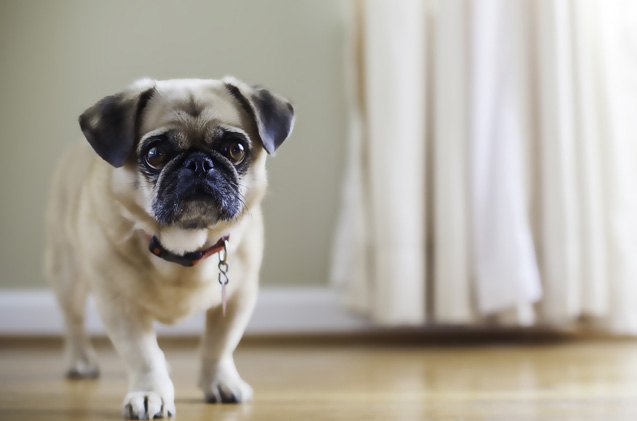
Some helpful tips on how to treat a dog with allergies
Just like us, dogs can develop allergies. These can be brought on by a number of different factors: dust, flea bites, food sensitivity and mold, along with countless other environmental factors. They can be inhaled, absorbed through the skin or eaten. And if your dog has an allergy, it can present itself in numerous ways, such as a rash, coughing, sneezing, runny eyes and inflammation. When this happens, what do you do? Don’t fret – we know how to treat a dog with allergies.
Let’s go over a few of the most common dog allergy symptoms and how you can treat them at home.
The best thing you can do is prevent the allergies before they happen. It your dog is allergic to pollen, keep him inside when during the morning and evening, when airborne pollen is at its worst. If dust is a problem, be vigilant with vacuuming, dusting and washing his sleeping area. You may want to consider buying an air purifier.
If you notice bumps on your dog’s face, it may be because your dog is allergic to his dishes. Use stainless or glass pet bowls and throw those plastic bowls away. When your dog comes in from outside, wipe or rinse his feet to get rid of any lingering allergens. And keep your windows closed to keep anything from blowing inside.
This is the most common of reactions to allergies. It’s a never-ending cycle: Your dog will scratch the itch, lick or chew the itchy skin. This makes the itch worse and could create oozing sores. You want to catch this dog allergy symptom before it gets serious.
It your dog likes water, soaking him in cool water can help alleviate the immediate itch. If you dog just won’t get in the tub, you can soak a washcloth with cool water and gently squeeze it over your dog’s irritated skin.
Another natural itch eliminator is in your pantry: oatmeal! You can use either regular or quick-cooking oats. Just add a handful of ground oatmeal (use a coffee grinder or food processor to grind the oats to flour-like consistency) and add it to a tub of water. This can help ease some of the irritation and provide a lubricant on the skin to keep it from drying out. Rub the oatmeal and water mixture into your dog’s skin. Leave it on for 10 minutes and then rinse off completely.
If your dog has a sore, try soaking the infected area in Epsom salts. It has natural healing properties that discourages infection, reduces swelling and promotes healing. Apply a folded cloth gently to the affected area or soak the area in a saturated solution for 5 to 10 minutes (make sure your dog doesn’t drink the salty water). You can use this treatment once or twice a day.
There are things you can give your dog orally that will help treat allergies. You may want to give your dog Omega 3 fatty acids, either as a supplement or with his food (you can break open a capsule or put it in a yummy treat). The fatty acid can stop your dog’s immune system from overreacting. This takes about three to six weeks for it to start working, so don’t be concerned if you don’t see improvement immediately.
Another oral alternative are antihistamines, found in any drug store. It works by countering the release of histamines, which cause irritated skin. A dosage of between 1 and 3 mg for every pound of dog weight is recommended, but you should check with your veterinarian for specific dosage amounts.
There’s no cure for dog allergies, but by following the tips above, you can make the symptoms less irritating. And if you have any tips on how to treat a dog with allergies, we want to hear them – please leave them in the comment section below so all of the readers in our community can give them a try.