Irish Troodle Basics
The feisty Irish Troodle brings together the protective, playful nature of the Irish Terrier and the smart, energetic traits of the Poodle for an affectionate pooch who gets along well with kids and other animals however be aware that the terrier in him will have him chasing smaller animals and the family cat if not properly socialized.
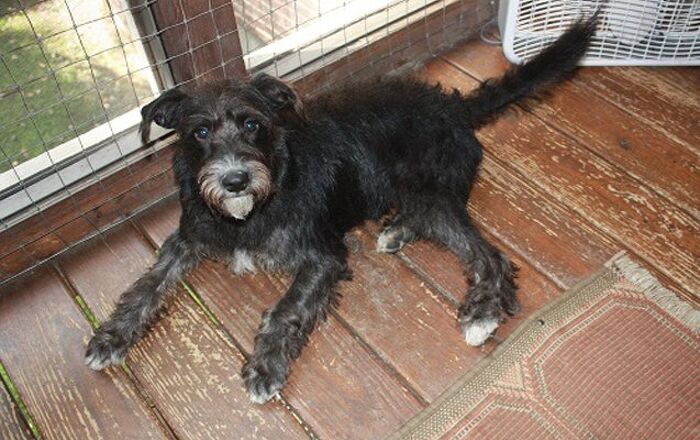
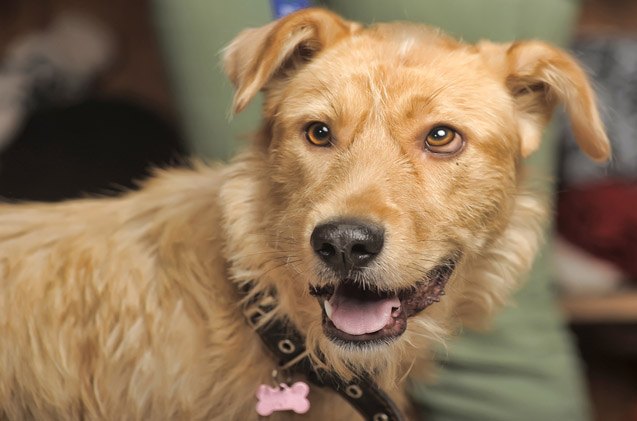
The feisty Irish Troodle brings together the playful Irish Terrier and the energetic Poodle.
Origin
The Irish Troodle is considered a Designer Dog which matches two or more different pure-bred dogs and is a practice that began back in the 1980s and 90s. The goal of mixing breeds is to produce puppies that carry the desired traits of both parent breeds – which is typically a healthier, smaller, hypo-allergenic or even a gentler form of a popular breed.
Pedigree
The Irish Troodle’s mixed lineage means he isn’t eligible to join the American Kennel Club (AKC) however both parent breeds have been members of this elite club for more than a century; the Poodle joined AKCs “non-sporting” group in 1887 while the Irish Terrier became a member of the “terrier” group in 1885.
Food/Diet
Although your Irish Troodle is fairly active he has a tendency to gain weight easily so his food should be a top-quality kibble that is low in fillers (carbs) that may cause him to overeat to feel full. Because obesity can lead to joint issues later in life, don’t plan to free-feed this dog but provide him with 2 to 3 smaller meals throughout the day. With the Poodle side of this pooch being prone to digestive issues, look for a low-fat food.
The Irish Troodle is an obedient dog who is known to listen to commands and should train fairly quickly.
Training
The Irish Troodle is an intelligent, obedient dog who is known to listen to commands and should train fairly quickly. A short attention span means he becomes bored and ultimately distracted easily so plan to incorporate some interesting activities into his obedience training to keep him engaged and wanting to learn. This pooch will do well with a rewards-based approach to learning new skills including lots of verbal praise and treats for a job well done.
Weight
Your Irish Troodle will weigh weight between 50 and 60 pounds when fully grown.
Temperament/Behavior
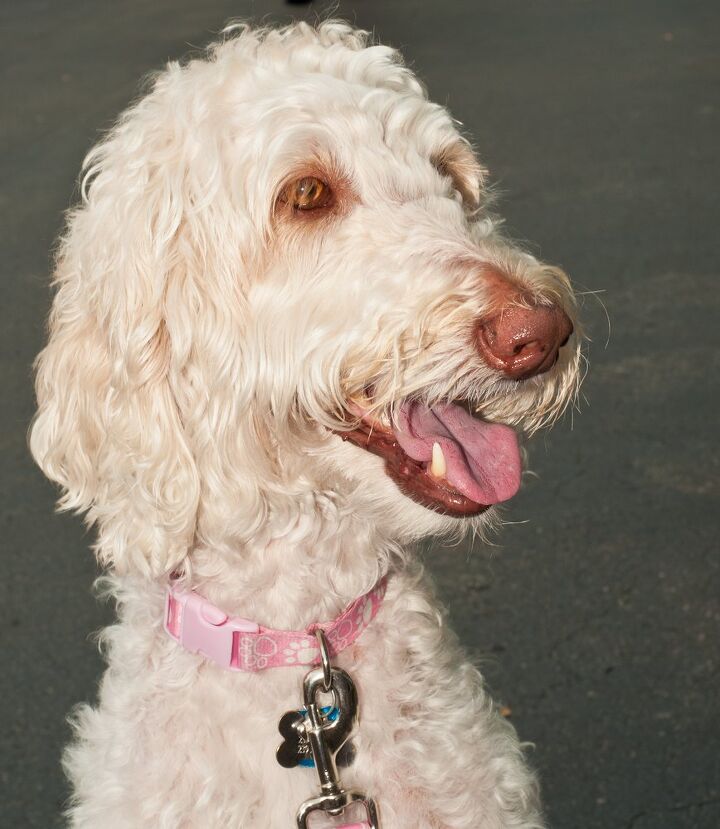
The Irish Troodle is a fun-loving dog who craves human companionship and interactive playtime. Mental stimulation is important with this dog to help prevent destructive behaviors such as continual barking and chewing. While he gets along well with kids and other dogs, he can be prone to chasing smaller animals and this coupled with a bit of a stubborn streak means that early socialization and obedience training will be needed. His alert, protective nature makes him a great potential watchdog.
Common Health Problems
Most designer dogs have been bred with the intent of eliminating or minimizing many of the health issues found in their pure-bred parents. That said, its important to know what your new pup could inherit and in the case of the Irish Troodle this can include joint issues, digestive issues including bloat and Addison’s Disease.
Life Expectancy
Your Irish Troodle is a relatively healthy pooch and you can expect to enjoy his companionship for 10 to 14 years.
Exercise Requirements
The Irish Troodle is a busy boy who loves to be active but doesn’t necessarily need extensive exercise to keep him fit and healthy. He does have an above average tendency to gain weight so daily walks are important and active playtime or a visit to the dog park can help keep him mentally stimulated, socialized and fit at the same time. Because he has a high tendency to wander, ensure any outdoor activity is in a fenced area.
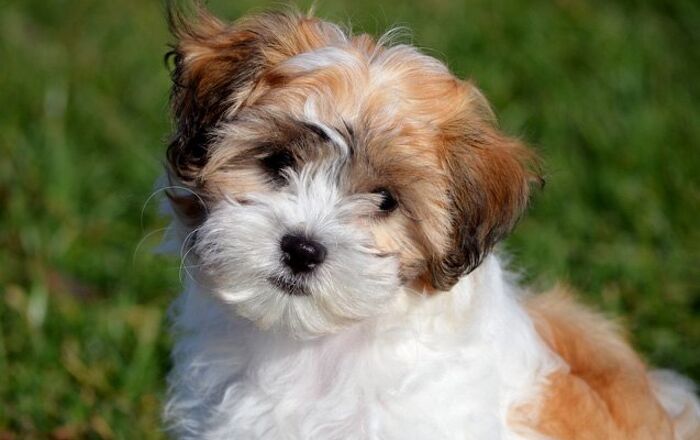
The fun-loving Irish Troodle craves human companionship.
Recognized Clubs
Also known as the Irish Troodlepoo, Irish Terrierdoodle and Irish Terrierpoo, the Irish Troodle’s designer dog status means he is not recognized by the American Kennel Club (AKC) however he is a member of the American Canine Hybrid Club (ACHC), Designer Dogs Kennel Club (DDKC), Dog Registry of American, Inc. (DRA) and the International Designer Canine Registry (IDCR).
Coat
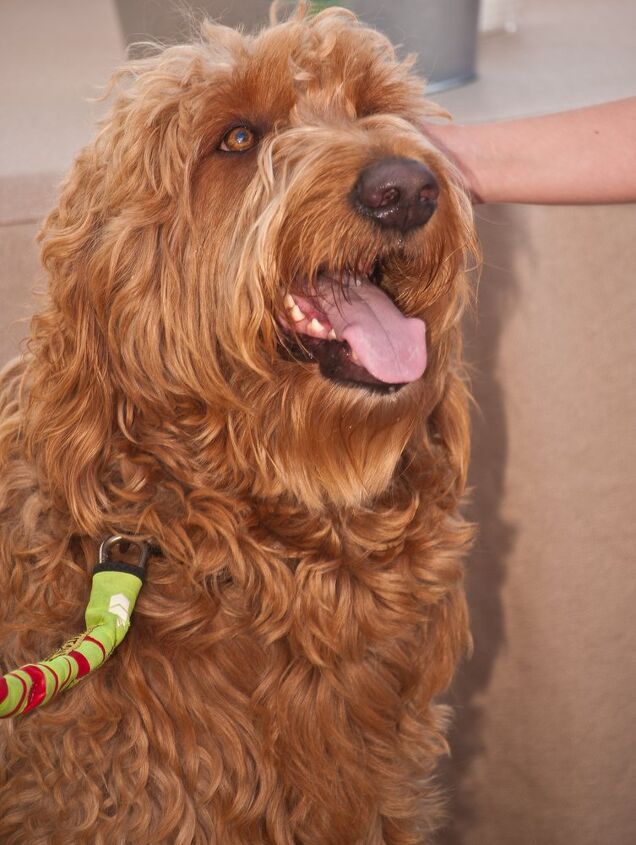
The Irish Troodle will typically inherit the dense, curly coat of the Poodle and require little maintenance to keep him looking his best. He is a non- to low-shedding dog and brushing 1 to 2 times per week is sufficient to prevent matts and tangles. Professional grooming may be required every 2 to 3 months to help maintain his coat and because floppy eared dogs may be prone to ear infection, inspection and cleaning should be done weekly.
Puppies
The Irish Troodle puppy will need to begin obedience training and socialization while young to ensure he is quick to respond to the commands of his owner. Terrier DNA means he can be prone to running and chasing which can prove dangerous if he fails to respond and return. A tendency to become destructive when bored can be helped by providing him with plenty of chew toys and interactive puzzles.
Photo credit: Robert F. Leahy/Shutterstock; Evdoha_spb/Shutterstock