Rainbowfish

Published A Few Days Ago
ADVERTISEMENT
fast facts

About Rainbowfish

Temperament
Non-aggressive
Group
Freshwater
Size
Small
Aquarium Size
Medium (30 gal)
Swimming Region
All
Fish Water Condition
Varies depending on species
Suitable Tank Mates
Tetras, Guppies, Swordtails, Platys, Mollies
Difficulty Of Care
Weekly care
ADVERTISEMENT

General description

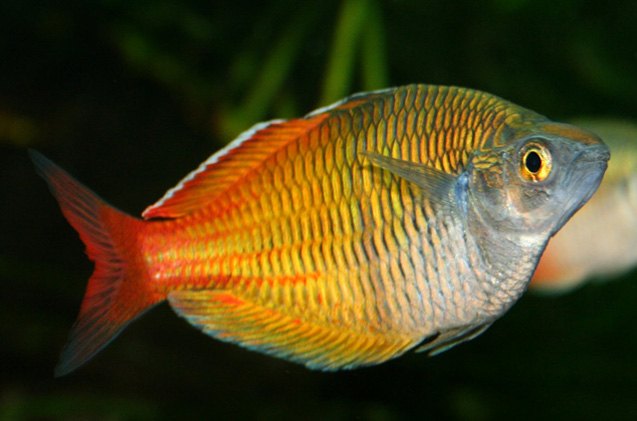
Rainbowfish are a family of small freshwater fish that get their name from their bright, iridescent colorations that change shades in different light settings. In recent times rainbowfish have started to gain popularity amongst aquarists for both their beauty and relatively hardy nature. They are also a relatively small species of aquarium fish with most species reaching only a couple of inches in length. In fact, the largest species of rainbowfish only reaches around 8 inches in length. Rainbowfish are an extremely peaceful species of fish and make excellent additions to community aquariums.

Rainbowfish are a family of small freshwater fish that get their name from their bright, iridescent colorations that change shades in different light settings.

Origins

Rainbowfish are native to northern and eastern Australia, New Guinea and certain regions of Southeast Asia.

Color

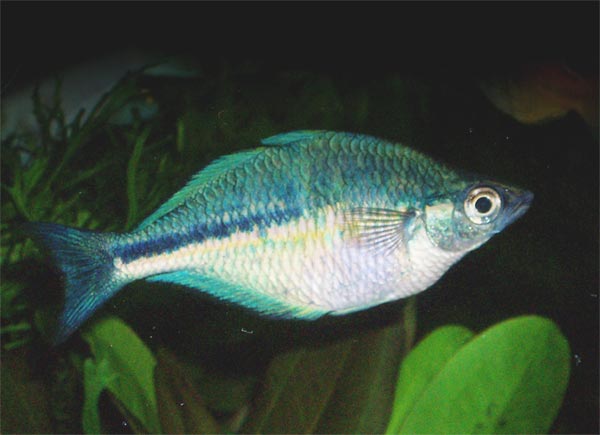
Rainbows come in a variety of colors ranging from red, blue, yellow, silver and black.

Maintenance and care
ADVERTISEMENT

In their natural habitat rainbowfish inhibit rivers and streams with heavy plant growth. These conditions should be recreated in a heavily planted aquarium with several open spaces left for these highly energetic fish to swim freely. Rainbowfish are a schooling species and thrive when kept in large shoals of 10 fish or more. When kept in small groups or by themselves, rainbows can be very timid and tend to lose their bright colorations due to stress. The exact water conditions that the rainbowfish require vary according to the species and their natural habitats, but most species are relatively hardy and can adapt to a wide array of water conditions.

Rainbowfish are also extremely peaceful and make excellent tank mates for most small, non aggressive species of aquarium fish. They shouldn’t be kept with more aggressive and assertive tank mates that may harass them or out-compete them for food.

Feeding

Rainbowfish are omnivores and can be fed on a varied diet of flake based foods and live foods such as bloodworms, blackworms and glassworms.

Rainbowfish are a schooling species and thrive when kept in large shoals of 10 fish or more.

Breeding

While the individual breeding habits of different species may vary, rainbowfish as a family are usually prolific breeders. Given adequate nourishment and clean water conditions, they will often spawn quite readily in the aquarium. It is however recommended that spawning females be removed to heavily planted breeding tanks because of their tendency to eat their own eggs and fry on sight. The fry too are relatively slow growing and need to be fed on a diet of infusoria or vinegar eels until they are able to accept larger types of food.

Aquarium varieties

Bosemani Rainbow, Praecox Rainbow, Threadfin Rainbow, Eastern Rainbow, Celebes Rainbow, Turquoise Rainbow, Australian Rainbow, etc.

Photo credit: Eileen Kortright/Wikimedia; Thomas Gräfe/Wikimedia

ADVERTISEMENT

ADVERTISEMENT

You May Like

What You Need To Know About Dog Feeding Guidelines

How much food should I be giving my dog? Here’s what you need to know about dog feeding guidelines before you ring the dinner bell. While it might seem…

FDA Approves Mirataz, A New Weight Loss Control Medicine For Cats

The U.S. Food and Drug Administration has approved Mirataz, a new drug for managing unintentional weight loss in cats.

Adoptable Dog of the Week-Chip

Out Adoptable Dog of the Week is Chip, a 2 years old Terrier mix from Manhattan, Kansas. He is vaccinated, neutered, housetrained and very friendly.

Upside Down Dog Of The Week – Giest

Meet Giest, our Upside Down Dog of the Week from Upsidedowndogs.com. Giest is an 11-year-old male Weimaraner from Bucks, UK. Here’s what his owner Marc…

Is Ice Water Really Dangerous for Dogs?

Ice water for dogs? Is that even safe for them? Let’s separate fact from fiction and get to the cold, ice hard truth!You probably already know that there are…

Cats and Coffee: The CatWise Cat Café Tour

Have a seat, grab a coffee and get ready to talk cats with cat behaviorist Pam Johnson-Bennett. The CatWise Cat Cafe Tour is coming to a city near you!

Hanoverian Horse

The Hanoverian horse breed is one of the oldest of all of the warmblood horses, as its history dates back to the 17th century.

Do You Need to Clean Your Dog's Paws After Walks?

Cleaning your dog''s paws can help prevent them from tracking dirt and germs into your home and can also prevent skin irritation or infections. But do you need to do it after every walk outside? Here''s what you need to know.

7 Festive Tips To Ensure A Pet-Friendly Holiday Season

This Thanksgiving, your pets will no doubt be included in the festivities. Here''s what you need to know to make sure your dogs and cats don''t overindulge.

The Winners Of Our Tongues Out Contest

These pictures got our tongues wagging during our Envvy Uglies contest Let’s start out by saying that you guys really outdid yourselves with the photos…

5 Benefits Of Using Homemade Dog Cleaning Products

Store-bought household cleaning products can lead to serious side effects for your dog. Get rid of toxic chemicals and enjoy the benefits of DIY cleaners.

Russian Blue

The Russian Blue Cat is good with children and other pets, and is generally gentle, quiet and shy in nature. This breed is intuitive to its owners'' moods.

Best Rawhide Chews for Dogs With Sensitive Stomachs

Dogs love chewing on rawhide, but sometimes it can upset their tummies. Here are the best rawhide chews for dogs with sensitive stomachs.

Poshie

The fun-loving Poshie brings the outgoing personality of the Pomeranian together with the playful nature of the Shetland Sheepdog.

Popware For Pets Has The Scoop On Portion Control When It Comes To Fee

Popware has a way to control potions when feeding dogs, and it''s pretty simple and convenient (in a forehead-slapping, why-didn''t-we-think-of-it way).