Leonberger Basics
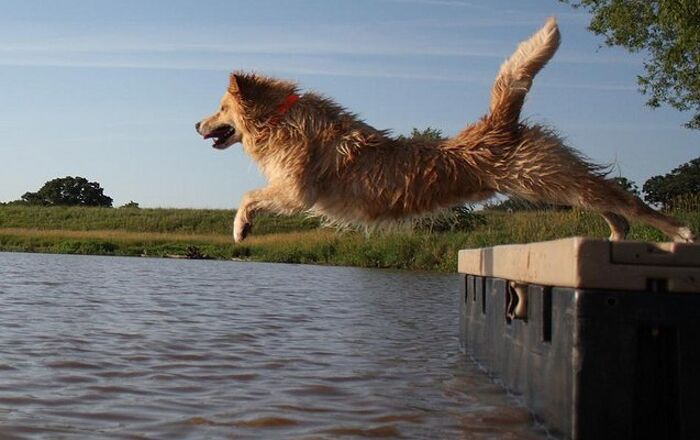
The Leonberger is a giant breed of dog that is a bundle of energy and craves being close to his family. He loves to play and will be happy to run after and slide into the mud. Yes, Leonbergers love the mud and will play and roll in it every chance he gets. He also loves the water and the dirt and the leaves and the snow. That being said, the Leonberger loves to be outside so long as his family is out there with him.
Affectionately called the Leo by enthusiasts, he readily accepts strangers providing they are not threatening. When threatened, the Leo will protect his family and home. He is a great family companion for active and energetic people.
The Leonberger is a giant breed of dog that is a bundle of energy and craves being close to his family.
Origin
In the 1800s, the Leonberger breed was established in Leonberg, Germany. His original purpose was to be a loving family companion, alarm system for the farm and draft dog. Today, he is a gentle and useful member of the family, using his size and appearance to deter unwelcomed humans from entering his home.
Pedigree
The Leonberger is the result of various cross breedings of Newfoundlands, Saint Bernards and Great Pyrenees. The breed was on the brink of extinction after World War II. Fortunately, two fellows used the remaining Leos to revitalize the breed and make it into the wonderful dog that we know today.
Food/Diet
Leos are huge dogs and they require a tremendous amount of high-quality, dry dog food. Their nutritional needs must be met for optimum health so a food specifically formulated for giant breeds is indicated. To prevent gum disease, tooth decay and bad breath, strictly dry kibble should be fed.
Highly intelligent, the Leonberger is a relatively easy dog to train.
Training
Highly intelligent, the Leonberger is a relatively easy dog to train. It is essential that the trainer be assertive but gentle. Using delectable treats will make the training sessions more successful and enjoyable. Positive reinforcement is the only method that should be used while training the Leo. Being forceful will lead to the dog balking and becoming unresponsive during the session.
Leonbergers do well in obedience trials and rather enjoy them. With regular and consistent training, this breed can attain Utility Dog titles. Leos also do very well as therapy dogs and people in hospitals and nursing homes enjoy visits with them.
Weight
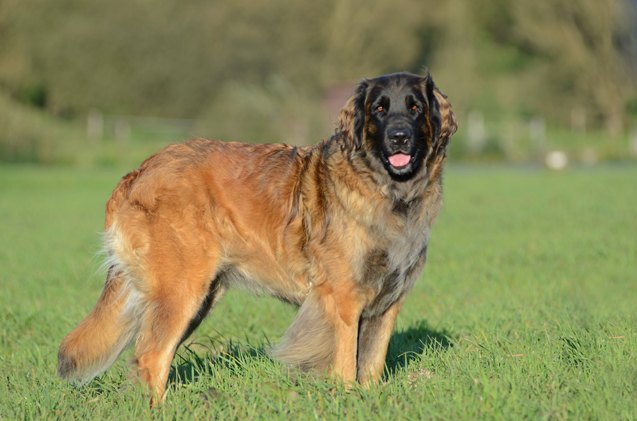
The Leo usually weighs between 120 and 170 pounds and stands between 25 and 31 inches tall at the shoulder.
Temperament/Behavior
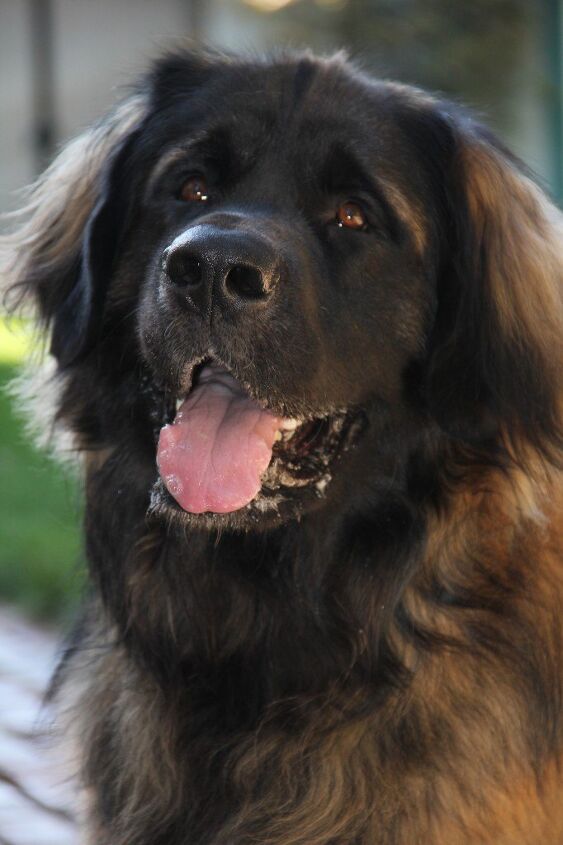
Although they are giant in size, Leonbergers are gentle by nature. Their hearts are just as big as their bodies and they will try to befriend everyone they meet. The Leo will gladly accept strangers so long as they are not threatening to his family or home. He is very trustworthy with children however; his great size can cause smaller kids to be knocked over and fall down. This is something he cannot help because he would never intentionally cause them any harm.
Leos love water and mud. They will happily romp through dirt and mud as well as roll in it. Their wet coats are magnets for leaves, twigs, burdock, grass and other debris. Though they don’t mind it, it could surely be a problem for a family of neat freaks.
The Leonberger is calm and laid back in the house however; he does not like when people argue. Any disagreements should be settled behind closed doors and away from a Leo otherwise, he very well might get between the bickerers to end the dispute.
Common Health Problems
A sturdy and generally healthy dog, the Leonberger is not free from possible genetic issues. Cancer, polyneuropathy, eye, heart and thyroid problems have been reported in this breed. Elbow and hip dysplasia are becoming more prevalent since the breed was recognized by the AKC.
Life Expectancy
The average Leonberger lives to be between 8 and 10 years of age.
Exercise Requirements
Leonbergers are energetic and active dogs. They love to run and play with their families or other pets. A large, fenced and secure fenced yard is necessary for the Leo to stretch out while running. Families who don’t have that much space enjoy bringing the Leonberger on long walks and to their local dog parks for some heavy duty playtime.
Although they are giant in size, Leonbergers are gentle by nature.
AKC
The American Kennel Club states: “Calm, gentle and sweet, the Leonberger excels as a multi-purpose working dog, but its most important task is being a reliable family companion. They are friendly dogs that are willing to please, making them excellent therapy dogs. Despite the breed’s lion-like looks and large size, the Leonberger is actually quite light on its feet and graceful in motion. They can be red, reddish brown, sandy, or yellow brown and always has a black mask.” The Leonberger was first recognized by the American Kennel Club in 2010.
Coat
The Leonberger has long, straight fur and a double coat that is water resistant. It’s soft and thick, making people just want to plunge their fingers into the dogs’ coats. This breed always has a black mask but the main coat colors can be yellowish brown, red, reddish brown or a sandy color. A telltale lion-like mane is essential in the Leo.
The Leonberger has loads of fur and it requires a thorough brushing at least once each week. Bathing should be done when necessary, which with this breed, tends to be quite often. Homes in which Leos live will always have some dog hair on the floor so neat freaks should avoid this breed.
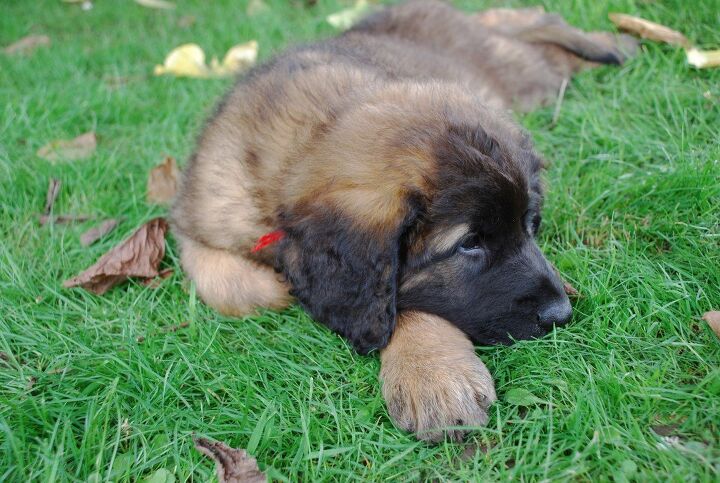
Puppies
Leonberger puppies are incredibly cute and cuddly however; they need lots of socialization. Puppy kindergarten classes should be started as soon as possible. It is important to note that during the Leo’s adolescent years, he can become obnoxious and refuse to do anything he is told to do. Continuous training using the reward system will help to alleviate this issue.