Mystery Solved! This Is Why Your Dog Kicks When You Scratch His Belly

Published A Few Days Ago
ADVERTISEMENT

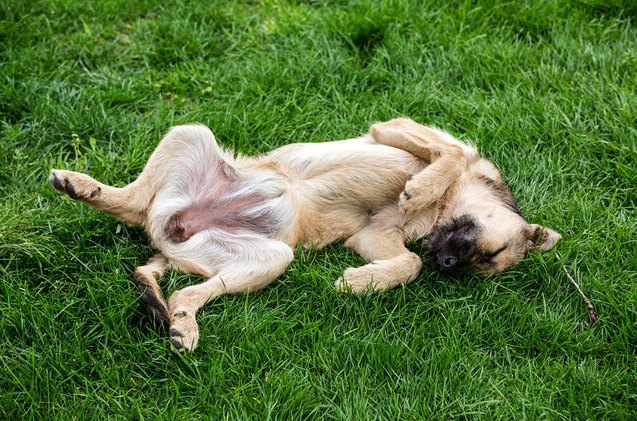
Why do they do that?Science reveals the story behind all that crazy kicking.

Ever wondered why your dog goes bananas when you scratch him in that one perfect spot on his belly? Never fear, we’ve got the answer!

Unexpectedly, this canine kick reaction is actually a self-protection mechanism for your pooch. Otherwise known as the scratch reflex, this involuntary response is there to make sure your dog is safe from dangerous bugs or irritants.

Under specific parts of your pooch’s skin, there are sets of neural pathways that connect to their spinal cord. When you scratch your dog’s belly in “the spot”, the nerves are activated. Then, they send a message to the dog’s spinal cord, which activates the kicking reflex.

When you think about it, it actually makes a lot of sense: if Fido has fleas, the scratch reflex will likely be activated by the itchiness. In turn, the kicking might knock off some of the pesky critters, thus easing some of the itching.

It’s a lot like human reflexes, really. Think about when you accidentally touch a hot stove — you immediately recognize the pain and jerk your hand back, right? If you waited until your conscious brain recognized you were in danger, you could end with severe injuries or worse. For dogs, the scratch reflex does the same thing: it immediately alerts them that something is off and activates the involuntary kicking response.

In more extreme cases, it can also provide a good way for your veterinarian to figure out if your pup is suffering from nerve damage, in much the same way that doctor taps your knee to test your reflexes.

Another great reminder: just because your dog kicks when you scratch his belly, doesn’t mean he actually likes being scratched there. Remember, the scratch reflex is involuntary — it’s really there for swatting away bugs.

While many dogs do love their belly rubs, it’s important to pay attention to the cues your pooch is giving you — you’ll likely be able to figure out their preferences by simple observation.

[Source: MSN]
ADVERTISEMENT

ADVERTISEMENT

You May Like

What Is Feline Cerebellar Hypoplasia?

A developmental disorder, Feline Cerebellar Hypoplasia affects the way a cat walks. Here''s what you should know about the illness and what can be done.

Top 10 Healthy Vegetables For Dogs

Mom was onto something! No matter how you slice and dice it, you''ll want to add these top 10 healthy vegetables for dogs into your pooch''s diet.

Tag, You’re It! Play-tag Is The Smart ID System For Wanderlust Dogs

The Play-tag is an invisible leash, emergency LED, and vital information storage device all-in-one wearable ID system. It’s no secret that our pets are…

Box-a-Pug

The attention-loving Box-a-Pug brings together the cheerful personality of the Pug and the playful nature of the Boxer for a wonderful family dog.

New Zealand Rabbit

The New Zealand Rabbit is large, muscular animals that has a beautiful coat. They are calm, and generally good with children and other pets.

New Stats Show Kids Most At Risk For Being Bitten By Dogs

National Dog Bite Prevention Week helps shed a light on how to teach children to understand doggy body language and the danger of ignoring warning signs. W…

Top 5 Online Resources for Cat Owners

It''s just a mouse click away! The Internet may be full of funny cat pictures, but it also has a wealth of online resources for cat owners.

Appenzeller Sennenhunde

Also known as the Appenzeller Mountain Dog and Appenzell Cattle Dog, the Appenzeller Sennenhunde is the rarest of the four Swiss mountain dog breeds.

Gen Y Dogma: Puppy Vs. Baby Edition

Is getting a puppy a logical first step toward having kids? Not necessarily. Christina Peden talks about the ways puppies and babies are similar and differen…

Bridoodle

The loyal, playful and sweet-natured Bridoodle brings together the fun-loving Poodle and the independent Briard for a wonderful family dog.

Tibetan Terrier

The Tibetan Terrier is an intelligent and mischievous dog that will be dedicated to its family. An excellent companion that is happy in most homes.

American Wirehair

The first American Wirehair was born as a result of a genetic mutation that occurred completely on its own, without anyone trying to create the breed.

Australian Bulldog

The Australian Bulldog bears a striking resemblance to the Bulldog, but it has clearly been influenced by other breeds like the Bullmastiff and the Boxer.

How Much Playtime Does My Cat Need?

Without adequate mental and physical stimulation, cats can become bored, stressed, and even develop behavioral issues. This is why playtime is not “just” a matter of playing for felines. It meets their most basic needs and it''s an essential component of their overall well-being.

5 Fundamental Training Tips for Sport Dogs This Fall

Follow these five fundamental training tips to ensure you''re making the most of autumn, and your team is in awesome shape for winter dog sports.