Magyar Agar Basics
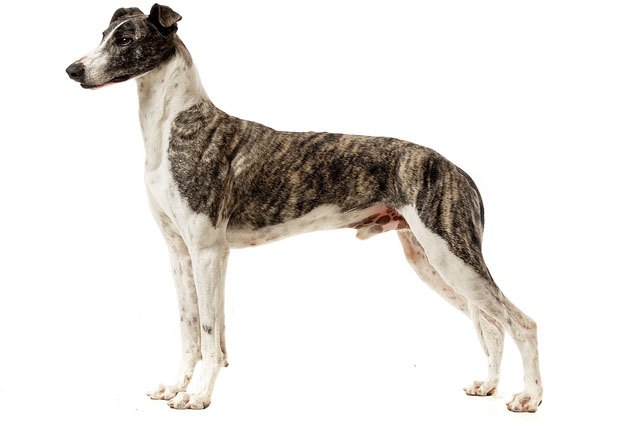
The Magyar Agar is more commonly known as the Hungarian Agar or the Hungarian Greyhound. This is a sighthound breed that is also popular for hunting and coursing, though it can also be kept as a companion pet. If you are looking for an active and intelligent breed that is also affectionate and docile in the home, consider the Hungarian Agar.
The Magyar Agar is more commonly known as the Hungarian Agar or the Hungarian Greyhound.
Origin
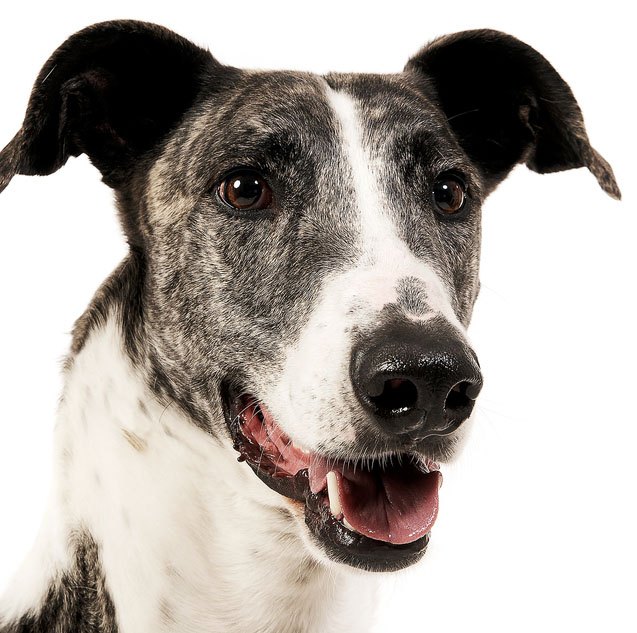
The origins of the Magyar Agar breed can be traced all the way back to the time when the Magyars conquered Hungary in the 10th century. The Magyar Agar breed has been used as a hunting breed for many years and its conformation has remained largely unchanged over the centuries. This breed was developed for long-distance running, able to achieve distances of 19 to 31 miles in a single day. Though these dogs excel in hunting and coursing they also make loyal and loving family pets.
Pedigree
The Magyar Agar is a very old breed thought to have accompanied the Magyars to the Carpathian Basin during the 10th century. The ancestry of the breed is unknown, though it is believed that various scent hounds play a role in the breed’s development.
Food/Diet
As a medium- to large-sized dog, the Magyar Agar should be offered a commercial dog food diet that has been formulated for dogs of its size. The Magyar Agar is also a fairly active breed that can be trained for hunting and coursing – if you use your dog for these sports you should consider an active or working breed formula to ensure that your dog’s needs for energy are being met.
The Magyar Agar is an intelligent breed which makes it fairly easy to train, as long as you start young.
Training
The Magyar Agar is an intelligent breed which makes it fairly easy to train, as long as you start young. This breed responds well to positive reinforcement training and they are eager to learn. The Magyar Agar does well as a sighthound but it can also be trained for coursing and other dog sports. This breed loves to learn and it is very active, so make sure that it always has something to do – this will help to prevent the development of problem behaviors.
Weight
The Magyar Agar is a medium- to large-sized dog with males weighing between 53 and 68 pounds at maturity and females weighing between 49 and 64 pounds.
Temperament/Behavior
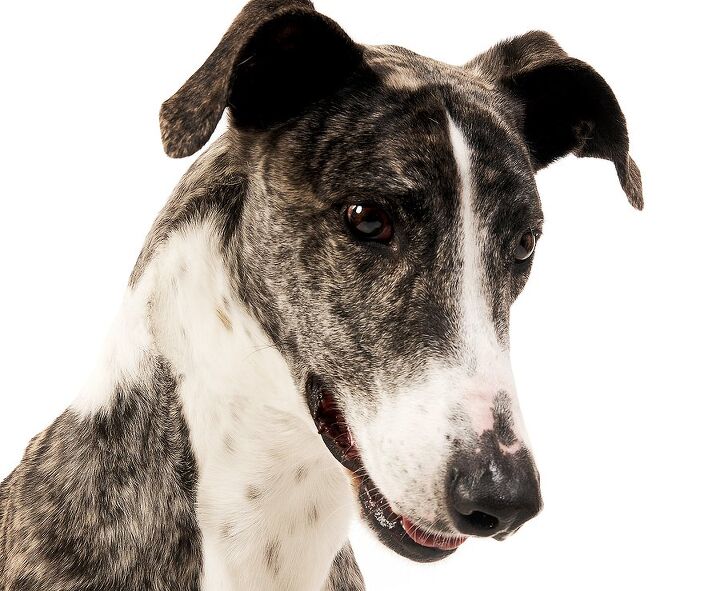
The Magyar Agar has a stronger guarding instinct than many sighthounds, though it is generally friendly around people if not a little reserved around strangers. These dogs form very close ties with family and they can be very affectionate and docile in the home. Magyar Agars get along well with children and they are amenable to other dogs, though you should be careful with them around cats due to their coursing nature. Early socialization and training is recommended for this breed but they are very smart and generally easy to train. This breed is adaptable to apartment or outdoor life as long as they get enough exercise and human interaction. These dogs can be couch potatoes but they still require plenty of exercise.
Common Health Problems
The Magyar Agar is a fairly healthy breed that can live 15 years or more if not plagued by health problems. Some of the most common health problems seen in this breed include eye problems, hip dysplasia, hypothyroidism, gastric dilation volvulus, epilepsy, and sensitivity to anesthesia.
Life Expectancy
The average lifespan for the Hungarian Agar breed is 12 to 14 years which is on par with other breeds of its size.
Exercise Requirements
As a sighthound used for hunting and coursing, the Magyar Agar is a fairly active breed. These dogs need a long daily walk as well as plenty of active playtime and time to run in a fenced yard. This breed is adaptable to apartment or condo life as long as its needs for physical and mental stimulation are met. This breed is prone to destructive behavior if it becomes bored.
Magyar Agars get along well with children and they are amenable to other dogs.
AKC
The Magyar Agar breed is not currently recognized by the AKC. It belongs to the Sighthound and Pariah Group for the United Kennel Club and it is also recognized by the FCI.
Coat
The Magyar Agar has a short, close-lying coat that is fairly dense. This breed exhibits a wide variety of colors but the UKC does not accept blue, brown, blue-and-white, black-and-tan, or tri-color variations. Though the coat is fairly short, it grows longer in the winter to protect the dog against cold weather. Regular brushing and grooming is recommended to control shedding.
Puppies
The average litter size for the Magyar Agar breed is 6 to 10 puppies. Because this breed is very active and intelligent, early socialization and training is required. These dogs can get along with other dogs when properly socialized and they generally do well with children.
Photo credit: vauvau/Bigstock