Mini Satin Rabbit Breed History/Origin
Standard-sized Satin rabbits were popular in the mid-1930s, when these satinized Havanas were bred by Mr. Walter Huey, a well-known breeder. By the 1970s a woman by the name of Ariel Hayes of Michigan tried to breed Mini Satin Rabbit, but gave up her quest in 1892.
However, the search was not over. From the mid 1980-1999, many breeders contributed to trying to create the small Satin rabbits. Mr. J Leo Collins obtained a Certificate of Development and created only two varieties of the Mini Satin: the red and the albino world. The red-eyed white Mini Satin was accepted by the American Rabbit Breeder’s Association in 2006. Since then, there have been many more colors accepted by the ARBA.
If you socialize the Mini Satin Rabbit from the start, it will make a wonderful companion.
Overall Description
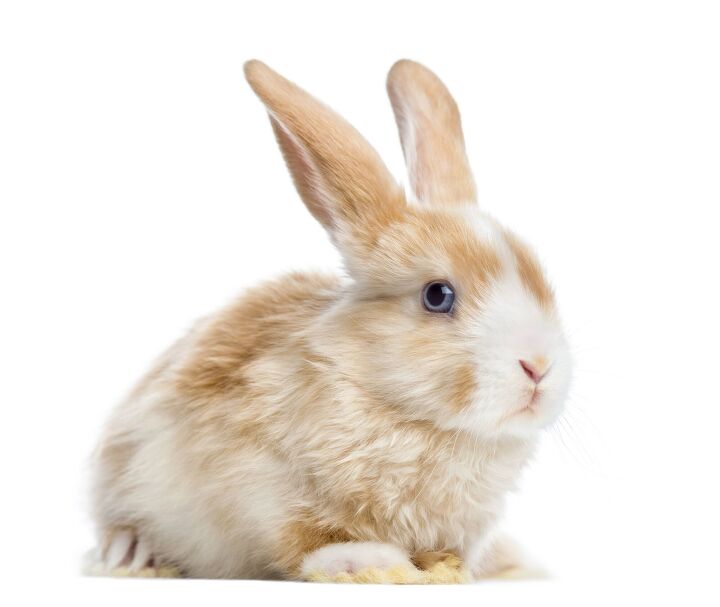
The Mini Satin Rabbit has a compact body that weighs anywhere from 3-4.5 lbs once it is fully grown. It is short and well-rounded when viewed from any direction and has a round, full head.
Coat
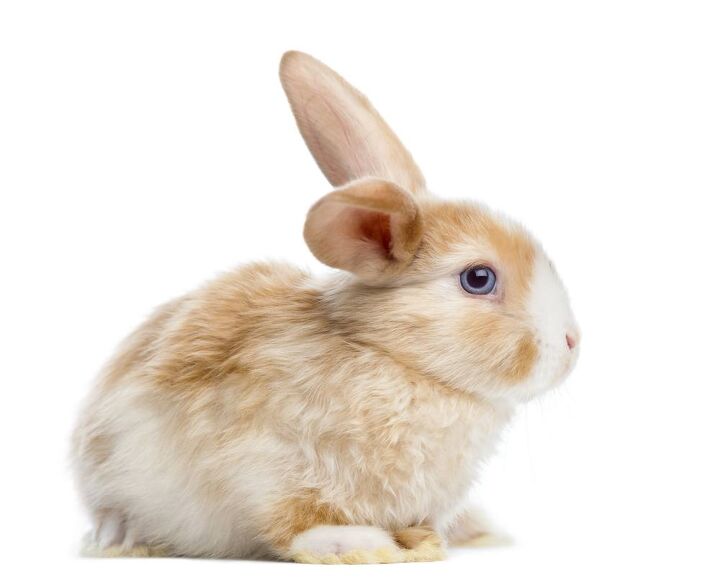
Like the standard Satin rabbit, the Mini Satin Rabbit’s coat has a beautiful, shiny fur that is appealing, especially at shows. It does not need much maintenance in order to keep its fur in tip-top shape; a bi-weekly brushing with a slicker brush is sufficient. If your indoor rabbit is shedding a more than usual, it is probably because it is either spring or fall, the time of year when rabbits tend to shed. Increase the brushings to every week and you will notice less stray hairs. Remember never to bathe your rabbit but instead, spot clean it with a damp cloth when and where necessary.
Colors
There are quite a few color varieties accepted by the ARBA when it comes to Mini Satin rabbits. Colors include black, blue, broken (any color mixed with white), chocolate, chocolate agouti, copper, chinchilla, opal, otter, red, siamese, silver marten, tortoise, and white.
Owners much approach Mini Satin rabbits with an extremely patient mindset when it comes to training.
Care Requirements
The Mini Satin’s small size makes it an excellent rabbit for both houses and apartments, as it do not need much space or a large enclosure to keep it happy. Because of its small size, it isn’t recommended for outdoor enclosures, as predators may make quick dinner out of them. Indoor enclosures need to be made of wire with a solid bottom and need to be large enough to allow the Mini Satin to comfortably sleep, eat and play inside. The bottom should be laid with bedding/hay; it needs to be spot-cleaned every day and completely replaced at the end of every week.
Rabbits will enjoy a diet composed mostly of pellets and hay (about 70 percent). Adult rabbits will eat about 1/4 cup of high-fiber pellets everyday for every 5 pounds they weigh (Mini Satins, for instance, would not need more than 1/4 a day since they are small). It will also enjoy fresh fruits, leafy greens and vegetables including carrots, watercress, red or green lettuce, celery, mango, pear, and peach.Research rabbit food before giving it to them, as some food or some part of the food may be dangerous to its health (apples are great, but their seeds contain tiny amounts of cyanide which is harmful).
Health
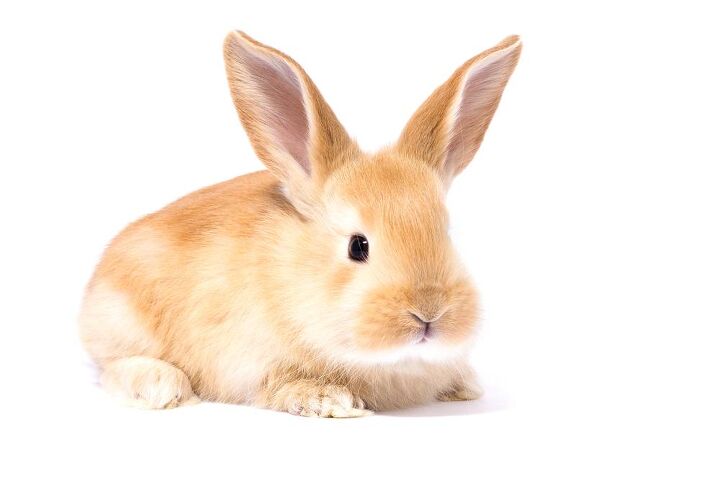
Unlike some rabbit breeds (such as the Angora), the Mini Satin rabbit is not susceptible to any particular health issues like Wool block. They do require regular checking in its ears (for mites), its coat and backside (for flystrike), and its teeth (for overgrown teeth).
Overgrown teeth can protrude into your rabbit’s face and jaw and be very painful. Symptoms include a loss of appetite, droppings and overall less movement from your rabbit. A diet that is high in hay (70 percent is ideal) should be enough to prevent this painful condition, as hay naturally files down a rabbit’s ever-growing teeth.
When a rabbit’s coat is soiled with feces or urine, flies may like to call your rabbit’s bottom their home. Flies lay eggs in the fur and once the eggs have hatched, they will burrow into your rabbit. If you believe your rabbit may have contracted flystrike, take it to your local veterinarian immediately for treatment.
Bucks can be neutered when they are young as 3 1/2 months old while does should wait until they are 4-6 months old before being spayed.
Like the standard Satin rabbit, the Mini Satin’s coat has beautiful, shiny fur that is very appealing.
Temperament/Behavior
Generally, the Mini Satin rabbit is gentle and calm; however if it is not used to the human that it is interacting with, it may be a little bit skittish and/or snippy.
Photo credit: Eric Isselee/Shutterstock; Evgeniy Goncharov photo/Shutterstock