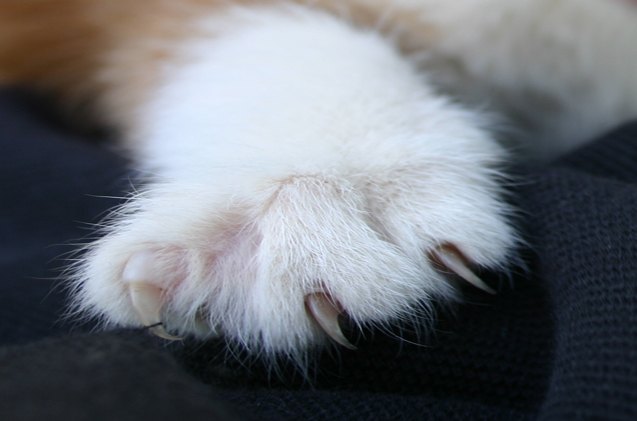
Pet cats are ‘declawed’ so that they don’t destroy furniture or injure humans or other pets in the home. But a new measure in New Jersey may soon make that common practice illegal.
In Trenton, New Jersey, the lower chamber of the state legislature passed a measure that bans the common declawing of cats for convenience. Medically termed onychectomy and/or flexor tendonectomy, ‘declawing’ a cat basically is the removal of all or part of the cat’s end bones on paws.
The sponsor of the bill, Assemblyman Troy Singleton, calls declawing a barbaric procedure that is more often done out of convenience rather than medical necessity. The bill would allow for medically necessary procedures, but veterinarians who declaw a cat for reasons other than a medical condition could face a fine of up to $1,000 and a prison term of up to six months, or both.
Several cities in California already do not allow declawing of cats, and over 20 countries including England, France, Germany, Austria and New Zealand also do not allow the declawing of cats. Legislators in New York attempted to push a similar bill through their state’s legal process, but the bill died before being ratified.
Related:Declawing Cats: A Cruel and Unnecessary Procedure
The American Veterinary Medical Association (AVMA), an organization that represents nearly 90,000 vets, does not support the law because they do not like lawmakers making medical decisions for them, nor do they all agree that declawing is a ‘barbaric’ practice. The group advocates declawing when the claws pose a risk to the owner and behavior modification attempts to prevent the cat from clawing have been tried and found to fail. The association says that scratching is simply a normal part of feline behavior, and that a human can train a cat not to scratch them or furniture with positive reinforcement and the providing of posts and carpets for which the cat can scratch with no issue.
The association also says that most often, declawing is not necessary or even frequent these days, but one may wonder if that’s the case, why they would not support a law that prevented declawing unless deemed medically necessary? Much like the clipping of a dog’s ears to fit a breed standard, most vets would agree that surgeries only needed to happen when a medical condition warranted it.
Related:The Hideous Truth About Dog Plastic Surgery
AVMA animal welfare division director Dr. Cia Johnson fears that banning declawing would make some cat owners give their cats up to shelters, and possibly face euthanization. Dr. Johnson said that when behavior training will not work, turning to declawing a cat is a better option than a pet owner relinquishing the cat and risk being euthanized if it can’t be adopted out.
And so, we’ll watch what happens in New Jersey, anxiously wondering who is going to let the claws out?