Schnoodle Basics
After sliding its furry form into the hearts of dog lovers everywhere, the Schnoodle is gaining popularity as a must-have designer dog. The Schnoodle seems to exploding in popularity exponentially, with dog lovers everywhere desperate to get their hands on this delightful animal. As a mixed breed, this adorable pooch has two purebred parents- the Schnauzer and the Poodle. This hybrid breed fills the role of many types of dog – lap dog, family dog, therapy dog and even a show stopper. You could say this is a well-rounded breed that will fill any position available! Not only is the Schnoodle cute and adorable, it is playful and lovable, making him the ideal family pet. It’s hard to find anyone who won’t fall for a Schnoodle.
With a wide range of sizes available, Schnoodles come is small, medium and larger sizes. Depending on the size of Poodle and Schnauzer bred, your Schnoodle can weigh anywhere from 10 to 60 pounds (Schnauzer come in Miniature, Standard, and Giant, while Poodles come in Toy, Miniature, and Standard sizes). And, because of the Poodle mixed in, this dog has a hypoallergenic coat, which makes him an attractive pet for allergy sufferers. Please read on to learn about this wonderful hybrid dog breed.
In addition to Schnoodle, this designer dog is also known as Mini Schnoodle, Miniature Schnoodle, Schnauzerdoodle, or Schnauzerpoo.
So is this dog with multiple names, a variety of sizes, and endless reasons to love him worth bringing home to your family? There’s only one way to find out. Keep your eyes glued to this page and scroll away. Everything that you could possibly want to know about the Schnoodle is about to be revealed!
Making its way into the hearts of dog lovers everywhere, the Schnoodle is gaining popularity as a must-have designer dog.
Origin
Developed in the 1980s, the Schnoodle made its appearance due to an increased interest in Poodle mixes. The “culprit” for the popularity of all things doodle was the first designer dog to be created- the Labradoodle. Breeders came to realize that the exceptional intelligence and hypoallergenic coat of the Poodle bring a lot of value to the mix. Crossbreeds with this breed in the family tree still remain one of the most popular hybrids!
Although it’s not as popular as many other Poodle crosses, Schnoodle is gathering a dedicated following, thanks in part to its playful good nature and low- shedding, low-dander coat. Unfortunately, like most designer dogs, there isn’t much know about this specific breed’s history beyond those details. Sadly, there simply isn’t much documentation kept about the history of hybrid dogs, unlike purebreds.
Pedigree
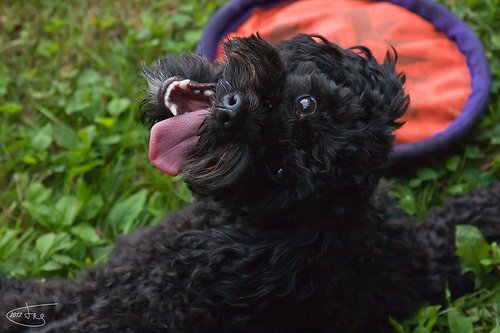
The Schnoodle is the result of crossing a Schnauzer and a Poodle. The resulting offspring of this pairing is a so-called F1 or first generation mix. It’s the most common type of Schnoodle but it’s also the most unpredictable one, as you never know which parent’s genes will end up being more prevalent (this is even true of puppies born to the same litter!). For a more consistent result in terms of character and appearance, and, most importantly, hair shedding qualities- breeders further cross these designer dogs.
F2 or the second generation is an F1 Schnoodle bred to a purebred poodle, and the third generation is the F2 dog again bred with a Poodle. This increases the chance of a hypoallergenic coat and solidifies the “doodle” qualities in the breed. Some breeders cross multigenerational Schnoodles (Schnoodles bred to other Schnoodles).
Even though breeders are working towards creating a new breed with this mix, the Schnoodle is still seen as a crossbreed by the AKC. This means that these puppies are not eligible for official pedigree papers, despite their impressive family tree and ever-growing popularity. Sadly, the AKC continues to hold a bias against designer dogs, despite how beloved they’ve become.
Food / Diet
To be healthy and thrive in your care, your dog will need to have a well-balanced, nutritious diet. The opinions on the best food for dogs differ, but the majority of expert agrees: dry food is the most complete and hearty option available to most owners. The Schnoodle definitely does well on a diet of high-quality kibble. The important part, though, is knowing how to pick out dry food that suits your pet’s needs. With hybrids, you can’t simply go out and get a breed-specific kibble blend, so you have to pay attention to all the details. The goal is to make sure it’s age appropriate (puppy, adult, senior) and a match for their size and activity level.
Serving size depends on the size of your dog. Follow the recommended serving sizes and consult a vet for advice if you’re unsure about the amount. Avoid free feeding- instead, break meal times into two separate feedings and monitor their eating habits. This will ensure that your dog doesn’t eat too fast and will prevent bloat. Plus, it will prevent potential weight gain and minimize the possibility of your pet becoming obese.
If you a re ever concerned about either establishing or altering your dog’s diet, it’s always worth checking in with a veterinarian first. While dog food manufacturers and pet blogs provide useful feeding guidelines, they are still only guidelines and won’t necessarily apply to all dogs. The only person qualified to determine the specific dietary needs of your personal pooch is their vet. So always rely on the advice of your doggy’s doctor before making any major decisions about how to fill up their food bowl.
Because the Schnoodle is the offspring of two intelligent breeds, you’ll find that he is easy to train as long as long as he is motivated and challenged.
Training
Because the Schnoodle is the offspring of two intelligent breeds, you’ll find that he is easy to train as long as long as he is motivated and challenged. A perceptive dog, the Schnoodle loves to please you, which helps with training lessons. And with right training and discipline, your Schnoodle will fly through basic obedience training and will be ready for advanced obedience and agility training. Of course, you’ll have to use the right tactics and methods to achieve this.
Rely on positive reinforcement training when you work with a Schnoodle. The smarts and eagerness are already there, but rewarding your dog with treats and praise will guarantee success. All dogs respond well to reward-based training techniques, as it strengthens the relationship with their owner and gives them additional motivation to learn. On the other hand, yelling and punishment won’t have any results- except damaging the bond between you and your pet. This sort of negative reinforcement is closer to abuse than training and should be avoided at all costs.
Weight
For most dog breeds, their weight and size can dictate a variety of things, most notably their diet and the requirements for their living conditions. A Schnoodle can weigh anywhere from 10 to 60 pounds, depending on the size of the parents. It can be considered a small to a large size breed, and that means that they can have vastly different needs where space is considered. Any size Schnoodle will love to lounge, snooze, play, and run about, and that means you can’t really keep them cooped up. That’s why it matters to know which size they will grow up to be, if you want to make sure you will be able to fully accommodate their needs. While a tiny house might simply not work for most Schnoodles, a house with a backyard or an apartment with daily outdoor time in the dog park or in nature will be a good fit for these lovable dogs.
Remember that keeping your pet cooped up with a lack of exercise will definitely make them unhappy and can lead to some severe behavioral issues, such as anxiety, apathy, lethargy, depression, and loss of appetite. Exercise is important, so make sure your pet gets it no matter the size of your living space.
Temperament / Behavior
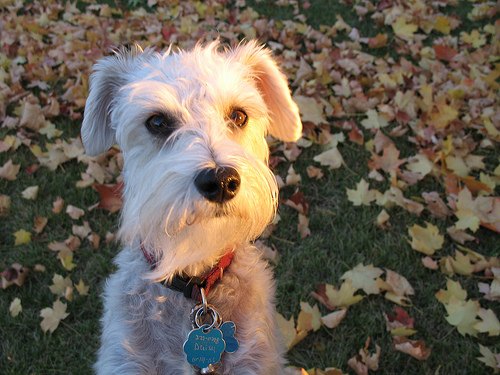
The Schnoodle takes after his parents – he’s cheerful, intelligent and always happy. He’s just happy to hang out with you, no matter what you’re doing. But don’t pigeon hole him as just a companion dog – this breed is also quite agile and works well as a therapy dog.
Affectionate, protective, and clever, Schnoodles make the perfect family pet – you’ll find this breed to be very loyal to your family. Kids of all ages will enjoy this wonderful breed.
Schnoodles do best in a structured living situation. This helps to prevent anxiety-related behavioral problems. At times, the Schnoodle can be excitable, so training him not to jump up on people in this state is necessary. Overall, you’ll find that this dog will easily make friends with people and other animals.
Common Health Problems
The Schnoodle is prone to develop a large amount of hair inside the ear, which can result in ear infections. Be sure to take your dog to the vet or groomer to have it removed. This breed is generally healthy, but health conditions may occur that are common to its parent breeds. These include Progressive Retinal Atrophy, cataracts, Legg-Calve-Perthes Disease, Patellar Luxation, epilepsy, Diabetes Mellitus, Addison’s Disease and bloat. It’s always wise to maintain regularly scheduled checkups with a vet (especially as your pup ages into their senior years) to ensure that any potential health issues are identified and treated as early as possible.
Life Expectancy
The Schnoodle has an average lifespan of 10 to 15 years. That’s quite the number for a relatively new breed! Especially if we take into account that the maximum average lifespan of most dog breeds is 15 years. This means that together with your Schnoodle friend, you can create some valuable and lasting memories and spend a good chunk of your lives together. After all, 15 years is a lot!
Of course, it goes without saying that your Schnoodle pet won’t be able to achieve this lifespan all on their own. They depend on your help in many things, and this one as well. So, you will have to provide ample care throughout their life: from a healthy and balanced diet, regular vet checkups, plenty of exercise, and tons of affection. Only with these things in check can you look forward to those 15 years together.
Exercise Requirements
Most – if not all – doggos are energetic creatures. They’ll love to run about and play - even if just a little bit. The same goes for this designer dog! A moderately active dog, the Schnoodle will follow your lead when it comes to exercise. He loves to run, so take him out with you for a daily jog. He likes to jump, making him a natural for the agility courses. Flyball and obedience training are other activities your Schnoodle will excel at. So don’t hesitate to head out into the park (or the yard if you have it) and throw some ball, a frisbee, play fetch or tug of war. Whatever you do, provide your Schnoodle with that little bit of playtime they need so much. They will be so much happier because of it.
Depending on the size of your Schnoodle, he will do quite well in an apartment or condo, as long as he gets enough daily exercise. A walk or active playtime (this dog loves to play tug and fetch) each day will keep him happy and healthy. So make sure that your daily schedule can fit a bit of playtime in it!
The Schnoodle takes after his parents – he’s cheerful, intelligent and always happy.
Recognized Clubs
The Schnoodle is not recognized by the American Kennel Club, as it is considered to be a hybrid breed. However, this breed is recognized by the American Canine Hybrid Club (ACHC), the Designer Dogs Kennel Club (DDKC), Dog Registry of America, Inc. (DRA), International Designer Canine Registry (IDCR) and Designer Breed Registry (DBR).
Coat
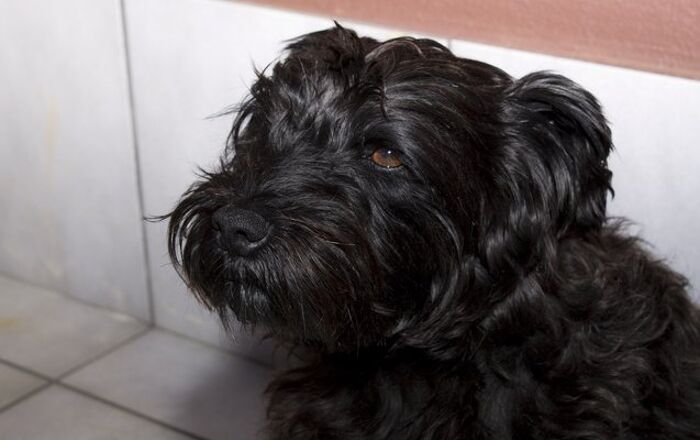
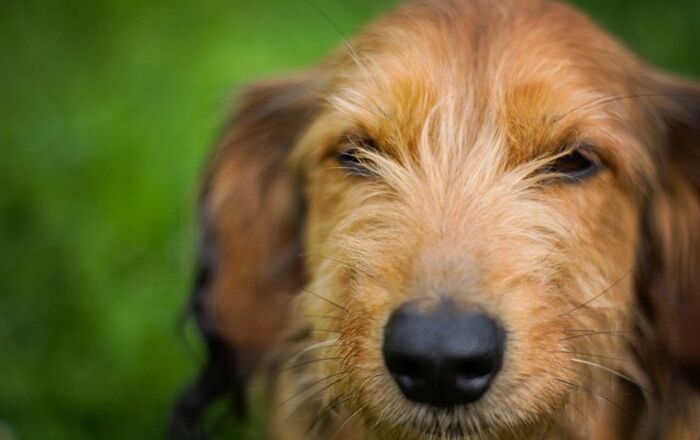
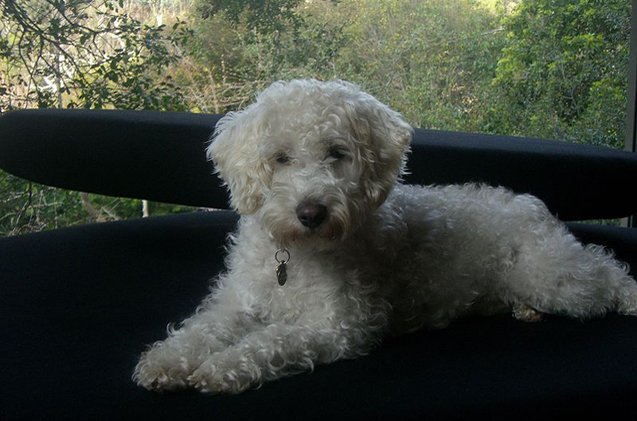
The Schnoodle’s coat can take its characteristics of either parent breed – it can be wiry like a Schnauzer or soft and curly like a Poodle, or a mix of the two. The color of a Schnoodle’s coat ranges the gamut and comes in a full black, white, brown, grey and apricot coat, or can take on multi-colored hues, such as black and white, sable or parti.
No matter what coat characteristics your Schnoodle inherits, it will be hypoallergenic. As well, this breed is a low shedder, thanks to the hair-like quality of the coat. You’ll need to brush your Schnoodle every week and take him to the grooms for a cut every 2 to 3 months to prevent matting and tangles.
Puppies
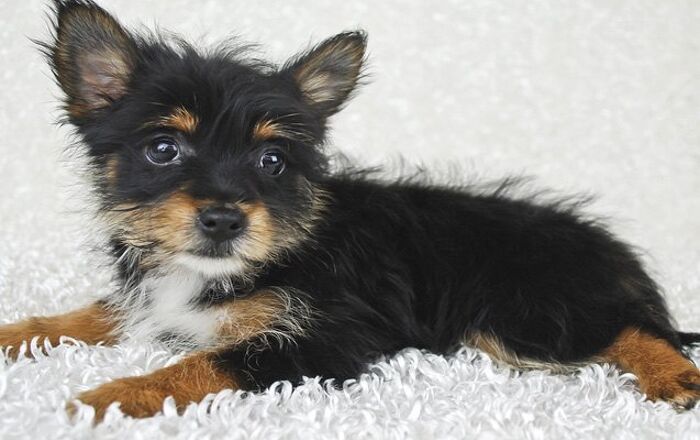
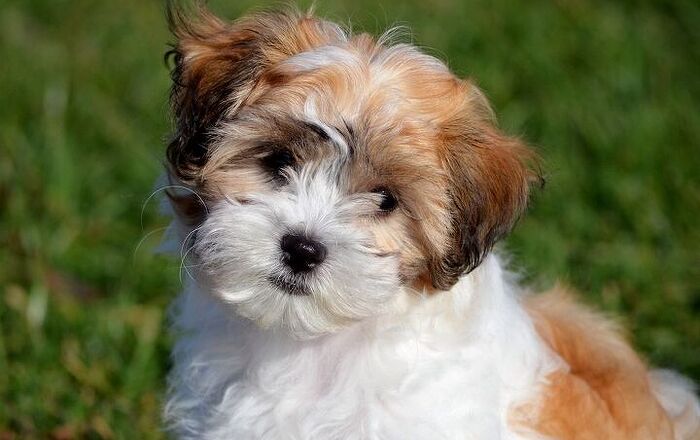
It goes without saying that the formative period when your Schnoodle is just a puppy is very, very important. It is the period when you lay down all the ground rules. The Schnauzer-Poodle mix puppies are as cute as they come- and they can come in litter size of up to 9 babies. Be protective in this period, as puppies are fragile and can be easily hurt or traumatized. But once the fragile period is over, you should start with socialization. It is crucial for dog development and healthy habits. Schnoodle puppies are social dogs, so they would benefit from Puppy Kindergarten classes. Be sure to take them to the dog park and other new environments so they can meet new people and animals.
Photo credit: Sullycarter1/Wikimedia; grfx Playground/Flickr; BrentCWilson/Flickr