Siberian Husky Basics
Everyone has a different reason why they choose their breed of dog. Some are looking for a dog to laze around their home like their home with their humans. Not all dogs are up for this sort of lifestyle though. Some pooches are lazy. Others, not so much! No one would ever accuse the Siberian Husky of being a lazy doggo. Boasting a working class background, the Siberian belongs to a class of dogs called a Spitz. These dogs work hard. With its strong and muscular, yet deceptively compact body, this breed does more than pull its weight when it comes to dog sleds.
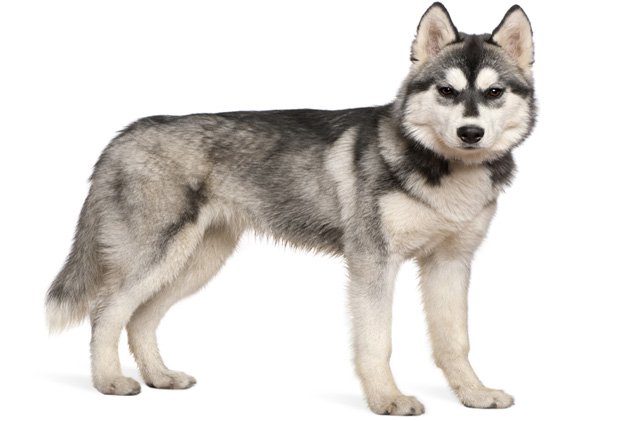
At the same time, these pups aren’t exclusively loved for their ability to work. They are also absolutely gorgeous creatures. Perhaps the most distinguishing feature of the Siberian Husky is its eyes. These peepers grab your attention, especially when both of them are an icy blue. They can have brown eyes, as well as one brown eye and one blue (heterochromia). Regardless of the colour, they are eyes that are all too easy to get lost in.
Before bringing a Siberian Husky into your home, you should be aware that it is a pack animal, so it needs companionship and to feel like it is part of the family. This is a dog that requires a great deal of responsibility, so it’s important to understand what you are getting yourself into before bringing one home. Read on to find out more about Siberian Huskies.
With its strong, muscular yet compact body, this breed does more than pull its weight when it comes to dog sleds.
Origin
Known as an Eskimo sled dog, the Siberian Husky got its start in Siberia- hence the name. As we all know that is a place famous for its extremely low temperatures and this breed is built to survive under tough conditions. The Chukchi tribe in Siberia used Siberian Huskies for herding animals and pulling sleds. This breed is powerful and capable of withstanding extremely cold temperatures. It also likes to work and be useful.
Making its way to Alaska in the early 20th century, fur traders also used the Siberian Husky in races. The breed’s big break came during an outbreak of the disease diphtheria. Due to the cold weather conditions, the Siberian Huskies were used to transport the valuable medicine in Alaska. That’s when these pups became valuable members of the Alaskan community. Admiral Peary was also known to use Siberian Huskies for his Antarctic expeditions to pull sleds of equipment.
A true working class breed, the Siberian Husky was used during World War II rescue missions in the Arctic regions. These days, the Siberian Husky makes itself useful by participating in a variety of sled races (like the Iditarod in Alaska) and by making wonderful pets for families. That’s likely where you’ll come in.
Pedigree
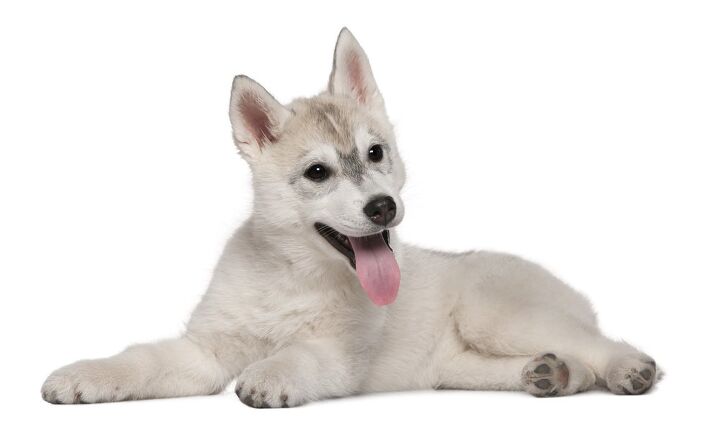
As one of the oldest breeds of dog,
As one of the oldest breeds of dog, the Siberian Husky descends from the original Inuit sled dog or Qimmiq. It’s interesting to note that Husky is a take on the nickname “Esky”, which was once applied to Inuit communities and their dogs.
The American Kennel Club recognized this stunning breed in 1930 and the United Kennel Club followed suit in 1938, recognizing it under the name Arctic Husky. Siberian Huskies have been a popular show dog in the United States ever since. As for the rest of the world, though, this recognition came sometime later in history. FCI recognized the breed in the 1960s but created a definitive standard some 30 years after that. The breed is also recognized by The Kennel Club from the United Kingdom and all other major canine organizations around the world.
Food / Diet
Diet is extremely important for your pet’s overall wellbeing. Without balanced, healthy meals to give your dog fuel for everyday activities, they can quickly develop a myriad of issues and conditions, so it is crucial to make sure that their nutritional needs are met to a T. Of course, while there are some general guidelines for all dogs, it’s advisable to consider unique traits and history of specific breeds when creating a meal plan for your pet. After all, the needs of a tiny Chihuahua, a brachycephalic Pug, or a large and muscular working dog such as the Husky can’t be the same. In fact, these important differences start all the way back when these impressive dogs were living in the cold and harsh shores of the Arctic Ocean.
Fats and protein are the most important sources of energy to a Siberian Husky. Historically, hard-working Siberian Huskies in their original environment ate a lot of fish and other meats, such as locally available mink and otter. These dogs are used to surviving as pure carnivores. Naturally, this diet would be hard to replicate in most domestic environments- not to mention that the lifestyle and habits of a modern-day Husky and their ancestors are hugely different. Thankfully, this means there’s no need to exclusively feed these beautiful animals raw flesh since your Husky will probably won’t spend his days pulling sleds through snow and ice. Today, these dogs do well on rich and diverse diets that include lean meat, healthy fats, and fiber from dog-safe veggies. However, if you plan on going this route, it’s crucial to consult with a veterinary specialist to make sure that you’re not missing some essential nutrients and putting your dog’s health at risk. While there are plenty of online experts out there happy to provide dietary tips for your dog, wise pet owners should be wary of relying too heavily on this sort of information. All dogs are different after all. Only your vet is qualified to determine the specific dietary needs of your personal pooch.
When it comes to feeding commercial pet food, the Siberian Husky will require premium quality kibble made from all-natural ingredients. Cheap dry food is full of fillers and, oftentimes, dubious ingredients and generally isn’t suited to provide all the necessary nutrients, let alone in a high-quality form. Again, considering the Husky’s unique history as well as their activity levels and build, it is best if the kibble is high protein- meaning that meat is the primary ingredient on the list and makes up the most of the formula. It should also be suitable for their size and activity level, as well as their age. As a rule of thumb, a high-quality formula for large and athletic breeds usually matches a Husky’s needs. Of course, even if you are planning on feeding your Husky kibble, it’s wise to consult with your vet before settling into a feeding schedule.
Another important part of a Siberian Husky’s diet is the portion size- it’s not always as simple as bigger dogs need bigger meals and vice versa. Their origin had a forming influence on their metabolism and dietary preferences. Given that these dogs were bred to live a hard working life in the unforgiving Siberian and Alaskan climates, that dictated a need for stocking calories. As a result, this breed is very prone to becoming overweight, even with an active lifestyle. Simply put, no matter how much playtime and exercise you offer as a pet owner, it will be no match for the strenuous life of a working dog in an extreme climate. For that reason, feed them roughly 70 percent of the recommended kibble amount and make sure to adjust the servings of homemade food accordingly. Of course, needless to say, even with this reduced caloric intake, regular exercise is an absolute must.
The Husky is an intuitive dog and will learn well in an obedience class, as this environment is set up for learning.
Training
Smart and highly trainable, the Siberian Husky likes to push boundaries. This breed will try to assert itself as the leader of the pack. So you must step in immediately to correct the dog if any problem behaviours start to pop up. It is important to establish dominance as the alpha leader early, so that the Husky knows what to expect and will respect your authority. However, this must be handled with a gentle touch. It’s all too easy for firm discipline to turn into abuse and that must be avoided at all costs. All you have to do is make sure that you are assertive and confident when you train your pet, showing them you are the boss with the firmness of your voice and calmness of character, and not resorting yo yelling or punishment- not only that it will damage the bond you are building with your pet but it will also be counterproductive in terms of training.
The Husky is an intuitive dog and will learn well in an obedience classes, as this environment is set up for learning. When taking the lessons home, your dog may not obey you. Therefore, it’s important to start obedience training as a puppy and establish consistent boundaries at home. If you allow an exception just once, the Siberian Husky will take advantage of it and continue to push the issue. Patience and persistence will be your friend during training. Training will certainly be a challenge with this breed, but it cant be overcome with a loving, yet firm hand.
When it comes to socialization, the Siberian Husky integrates well with other animals and humans when socialized properly and early on. Try to keep your Siberian Husky busy with activities to keep it happy. If your Husky gets bored, the pup might find ways to stimulate himself that you won’t appreciate, such as chewing on furniture or digging in the backyard. These dogs need plenty of attention, so bringing another furry companion into your home might go a long way to ensuring a healthy socialization process. Siberian Huskies thrive as part of a pack.
Weight
Male Siberian Huskies weigh in at 35 to 60 pounds, while females tip the scales at 35 to 50 pounds. They can quickly gain weight, though, due to less exercise than they require or overfeeding, so be sure to pay attention that your pet is within the recommended weight limits- dog obesity can be the cause of a range of serious health issues.
Temperament / Behavior
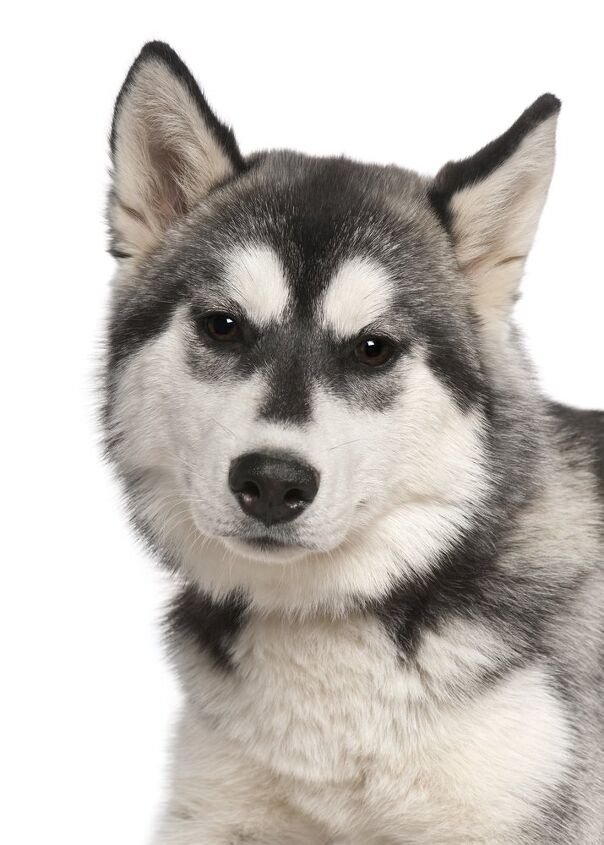
You’ll find the Siberian Husky to be a happy dog that will become easily attached to its family. Energetic, fun and playful, the Husky is sociable and can even be quite laid back under the right circumstances. Even though this pooch is smart and amenable to training, the Siberian Husky has a mind of its own. They can get up to trouble if they are given enough attention. So make sure to keep an eye on your Husky, especially during their mischievous and impressional puppy years.
Since the Siberian Husky is active, it will need a home with a large yard. If you don’t have a yard, you must get your Husky out for vigorous exercise every day. Without enough exercise to burn off their surplus of energy, huskies can become destructive as a way to avoid boredom. Training is a great way to control some of this exuberance and must be started as a puppy in terms of socialization (getting along with other pets and even housebreaking). Obviously, this is not a breed of dog that would thrive in an apartment or even in a city. They need space to thrive.
Because the Siberian Husky can be laid back, it makes this breed a poor choice for a watchdog. You won’t really hear the Siberian Husky bark. Instead, it chooses to communicate via a sound similar to that of a wolf, sort of like a howling noise.
Common Health Problems
The Siberian Husky breed is generally a healthy one. There are still a few concerns to watch out for, including hip dysplasia, cataracts and corneal dystrophy. The Siberian Husky also suffers from a skin condition called dermatitis, which is easily treated with zinc. Occasional bronchitis, asthma and gastric issues can also be a problem. It’s important to maintain regular check ups with a veterinarian (especially as your husky ages) so that any potential health issues can be spotted and treated early.
Life Expectancy
Siberian Huskies have a life expectancy of 11 to 13 years.
Exercise Requirements
As the Siberian is happiest working, it needs a lot of physical activities. Take your dog for walks or hikes, or if you live in a cold climate, get your dog into sled pulling and mushing opportunities. If you live in a warmer climate, be sure not to overwork your Siberian Husky in order to avoid overheating (these are dogs used to cold climates, after all). If you don’t live in a snowy climate, you may want to try urban or dryland mushing with your Siberian Husky. With this activity, you run on trails using specially designed scooters, with two wheels for one or two dogs, or three-wheeled rigs for three or more dogs.
Energetic, fun and playful, the Husky is sociable and can be quite laid back.
AKC
The American Kennel Club recognized the Siberian Husky in 1930, and the breed has only seen a rise in popularity over the years. In fact, in the last couple of years, Huskies are becoming very sought after owing to the popularity of the TV show Game of Thrones and the direwolves it features. In 2018, Siberian Husky climbed to the number 14 on the AKC’s list of most popular dog breeds in the United States. Here’s what this prestigious canine organization says about the breed: “The Siberian Husky, a thickly coated, compact sled dog of medium size and great endurance, was developed to work in packs, pulling light loads at moderate speeds over vast frozen expanses. Huskies are friendly, fastidious, and dignified.”
Coat
The Siberian Husky’s coat is thick with a velvety top coat and a dense, wool-like undercoat, perfect for colder temperatures. This breed comes in a variety of colors and patterns, although many of these dogs have white tips on the tail in addition to white legs, paws, and facial areas. Some colorations include the black and white Siberian Huskies or even a rare rusty red and white combinations. You will most likely see grey and white, totally blond, and a blending of several of the listed colors as well. Some Siberian Husky puppies will start with gorgeous mask and body coloring that changes to a slightly duller color in adulthood.
Puppies
The fluffy and cute Siberian Husky puppies will steal your heart in an instant. On average, a female has litters with 4 to 6 puppies. Once you bring your Siberian Husky puppy home it’s important to start with basic training and socialization. Establishing yourself as the pack leader early on will help a lot. You don’t want to give your cute puppy enough time to figure out they can be the boss of you. They will take advantage of that situation very quickly.
Begin with basic obedience training and potty training before moving on to more complex commands or training for dog sports when your puppy grows up a bit. Also, you should make sure to expose your new pet to people outside the family, other pets and dogs, as well as let them be around children (supervised) to make sure that they are socialized properly. If you start early on, your Siberian Husky will be friendly and adaptable- just what every pet parent wants.
Photo credit: Eric Isselee/Shutterstock