Silver Rabbit Breed History/Origin
The Silver Rabbit is one of the oldest recorded breed of domestic rabbit, dating back at least to the 1500s. Theories include Sir Walter Raleigh introducing the breed to England from Portugal in 1952 and keeping them in warrens, which were large plots of land surrounded by stone walls.
The Silver Rabbit was introduced onto American soil and was accepted into the American Rabbit Breeders Association (then-called the National Pet Stock Association) around 1910. It was one of the first breeds to ever be accepted and today, it is accepted in three different varieties: black, brown and fawn.
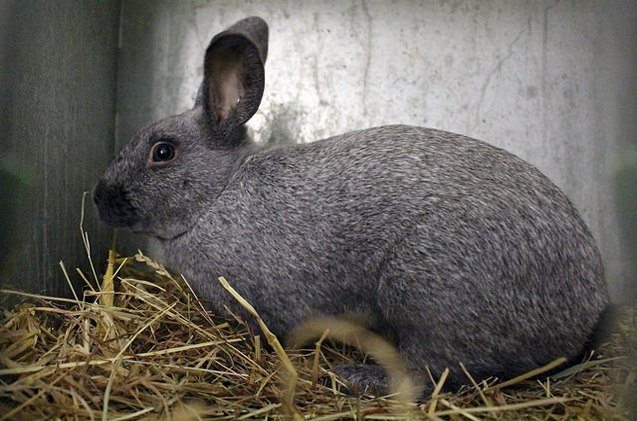
The Silver Rabbit is primarily brown, fawn or brown, and its coat is intertwined with white guard hairs, giving it a beautiful silvery luster.
Overall Description
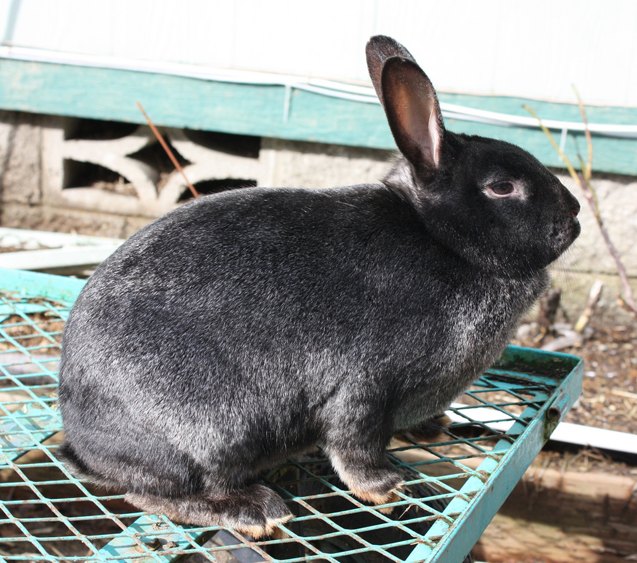
Once you’ve put your hands on a Silver rabbit, you will notice that they feel unlike any other rabbit you’ve ever held before. Silver Rabbits have a hard, stocky body with dense, short coats. It weighs anywhere from 4-7 lbs once fully grown. Despite having a compact body type, it is medium in length rather than short. This breed also has short, erect ears that stand vertically on its heads in a “V” formation.
Coat
The Silver Rabbit has one of the densest flyback fur coats of all rabbit breeds. It snaps back into shape quickly after you run your hand from the top of its head to its back. The rabbit is primarily brown, fawn or brown, and intertwined in its fur are white guard hairs, which give the Silver rabbit a beautiful silvery luster. Despite its unique fur, it doesn’t require any more grooming than the typical rabbit. It should be brushed with a slicker brush about once every week to keep stray hairs at bay.
Colors
The Silver rabbit is accepted in only three different colors: black, brown and fawn. It does not have any particular markings or patterns to distinguish it from any other breed.
Silver rabbits are active animals that need to be let out of its cage to release pent-up energy.
Care Requirements
Indoor rabbit enclosures should be made of wire, have a plastic or metal bottom, and be large enough for the Silver to stretch out. The bottom of the cages need to be covered in rabbit-safe bedding – it needs to be spot-cleaned every day and completely replaced at the end of every week. In warmer environments, the Silver Rabbit can live outdoors in a raised enclosure made of either wire or wood.
When it comes to their diet, this rabbit breed needs access to clean, fresh water and high-quality hay. Hay should be 70 percent of its diet while the rest should be a healthy balance of pellets and rabbit-safe vegetables, fruits and leafy greens. There are some foods that should be avoided (iceburg lettuce, for example, does not have enough nutritional value to be worth feeding) while others are completely fine in moderation (apples and carrots are a wonderful treat).
Health
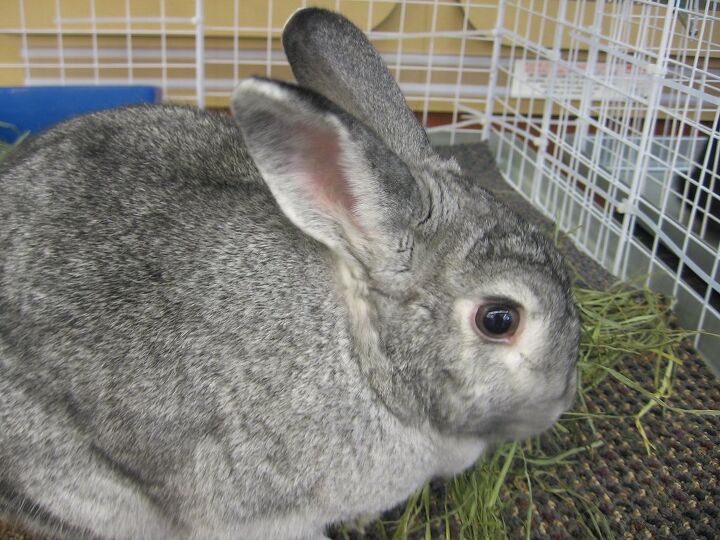
Check your rabbit’s ears biweekly for any sign of ear mites, as this is common in outdoor rabbits. Flystrike is also another issue that occurs when flies lay eggs in a rabbit’s soiled coat (usually on their bottom). Lack of appetite, lethargy and/or sudden yelps can be signs of flystrike. Take your rabbit to a local veterinarian if you believe it has flystrike.
A pea-sized amount of deworming paste is recommended every fall and spring. As well, if your Silver Rabbit’s diet does not consist of 70 percent hay, its teeth may begin to grow into its faces/jaws. This is a painful condition and can only be corrected by a veterinarian, who can shave down the teeth. A simple change in diet should keep teeth naturally worn down.
Bucks can be neutered as young as three and a half months old and does can be spayed at 4-6 months of age. Spaying and neutering your rabbit can not only prolong their life, but it can also make them less aggressive.
The Silver rabbit is considered a rare breed.
Temperament/Behavior
If you happen to get your hands on a Silver, consider yourself lucky – the breed is rare and the original type is only available in the United Kingdom or United States. Having said that, the breed is relatively calm and gentle-natured and are an excellent choice for seniors, singles, or couples. With proper socialization, this rabbit breed is also wonderful for growing families with other even-tempered animals and children of any age, so long as kids have been properly trained on how to handle and take care of a rabbit.
Silver rabbits are also active creatures that need to be out of the cage for a few hours to stretch its legs and let out all of the day’s energy. This, of course, means they are quite adventurous and love to explore. Like other rabbits, Silvers enjoy playing with its human family. Small- to medium-sized dog harnesses often fit rabbits of this size, which is a great idea if you’re looking to take your rabbit outside for some Vitamin D.
Rabbits are a little bit harder to potty train than other animals (such as dogs, cats or birds) but with the correct amount of patience, repetition and rewards, Silvers will pick up on the training.
Photo credit: Corinne Benavides/Flickr; Mio/Flickr; Manda/Flickr