Miniature Bull Terrier Basics
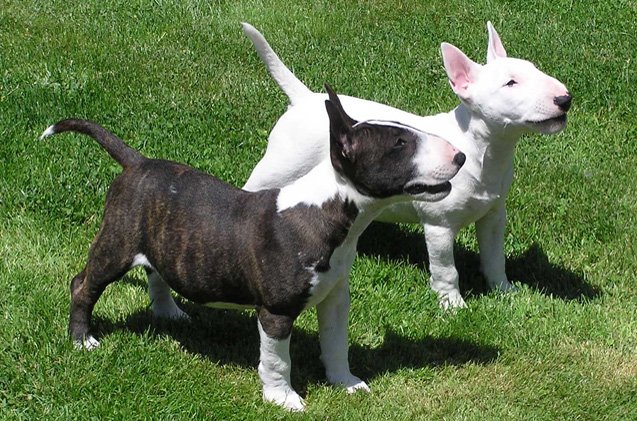
Many people find it amazing that the Miniature Bull Terrier is an exact version of the traditional Bull Terrier, except it is downsized. The breed is affectionately known as the English Miniature Bull Terrier, the Mini Bull Terrier or the Mini Bull. This tenacious little guy simply doesn’t know that he is any smaller than his much larger look-alike. He is brave, courageous and loyal to his family.
This fun-loving clown is as playful as he is tough. Miniature Bull Terriers are athletic and energetic therefore; lots of engaging activities and toys are necessary to keep the Mini Bull happy and fit. To learn more about the Miniature Bull Terrier, please read further.
Many people find it amazing that the Miniature Bull Terrier is an exact version of the traditional Bull Terrier, except it is downsized.
Origin
The breed was developed between 1800 and 1830 in England. These stocky dogs were used to kill rats in homes and outbuildings as well as compete with others in pits. Miniature Bull Terriers were also used as family companions.
Pedigree
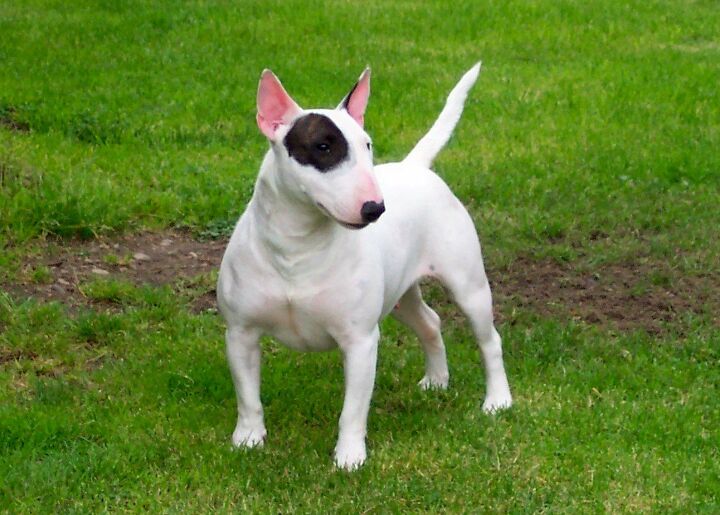
The Mini Bull Terrier is a descendant of the English Bulldog and the White English Terrier, which is now no longer in existence. The Miniature Bull Terrier’s body style that we recognize now was perfected by James Hinks however; he bred for white dogs. Additional colors were later introduced after the body and head type became consistent.
Food/Diet
It is best to feed Miniature Bull Terriers a high-quality dry dog food. He should be fed once daily and never be fed freely, without limitations. Mini Bulls have a tendency to overeat and become overweight so owners must be fastidious about watching their dog’s weight. Your veterinarian can assess your dog to ensure that he is at his optimum weight.
Miniature Bull Terriers are bright dogs but their attention spans are rather short.
Training
Miniature Bull Terriers are bright dogs but their attention spans are rather short. Training sessions will be more beneficial if they are kept short but are repeated often. Praise and rewards with yummy little treats work better for Mini Bulls than harsh words, yelling or discipline. Consistency is important with this breed. They can become confused if one day he is allowed to lie on the couch and the next day he is not. Being consistent, calm and assertive will help you to train your Miniature Bull Terrier into a wonderful and well-mannered companion.
Mini Bulls tend to do well in AKC Obedience Trials. Quite a few are certified as Therapy Dogs and visit people in hospitals and nursing homes. Most Miniature Bull Terriers are perfectly happy being the love of a family’s life.
Weight
Miniature Bull Terriers usually weigh somewhere between 20 and 34 pounds. Generally, they are from 10 to 14 inches at the withers in height.
Temperament/Behavior
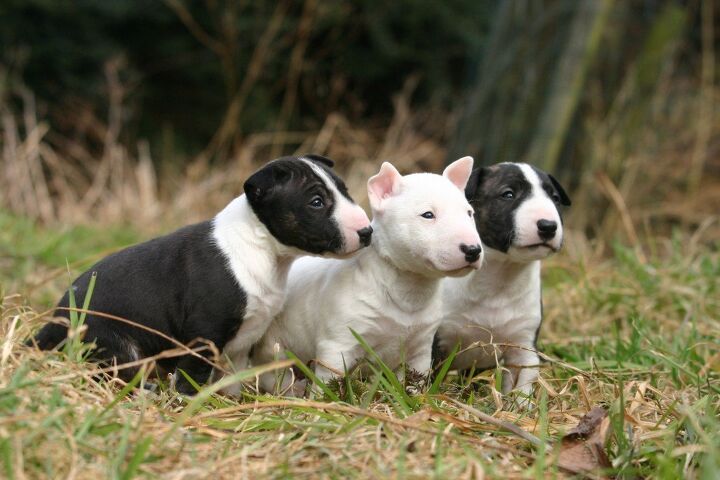
Mini Bulls are active and equally as loving toward their family members. They love to play and run which oftentimes leads to crazy running from one side of the house to the other. This can happen for no reason apparent to the owner. Miniature Bull Terriers attach quickly to their families as well as their homes. After all, they are terriers; this means that they are territorial. They will readily accept friends into the home but will be very protective if an unwanted or threatening person shows up. This bond between Mini Bull and his family can lead to separation anxiety. With plenty of exercise and loads of interesting toys with which to play, the chance of his destroying your home and possessions decreases.
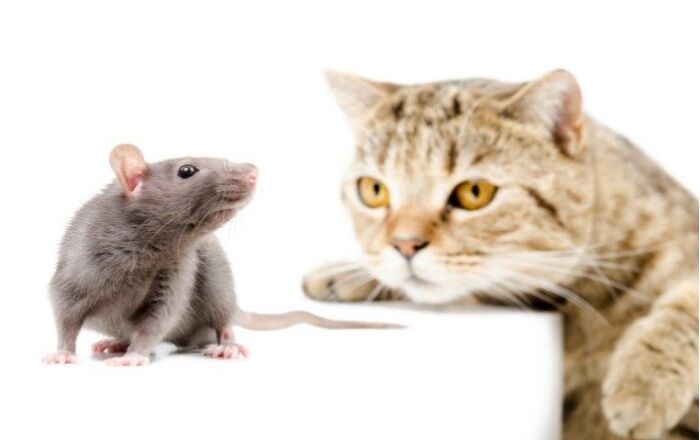
Most Miniature Bull Terriers do not get along with other dogs of the same sex. This interaction can and oftentimes, will lead to brawling. Neutering will help, in some cases. Cats, guinea pigs, rabbits and other small animals do not fare well living with Mini Bulls. Unfortunately, Mini Bulls tend to attack them so this breed is not for everyone.
Common Health Problems
Miniature Bull Terriers are predisposed to developing eye lens discoloration. This causes blindness somewhere around 3 years of age or later. Blindness is the most serious problem within the breed. White dogs tend to have a problem with deafness. Deafness does not mean that the dog cannot lead a full and healthy life. There are simply different ways to catch his attention and training will be done with hand signals as opposed to words. Sub-aortic Stenosis, Entropion, allergies and mitral valve dysplasia also occur in this feisty breed.
Life Expectancy
Most Mini Bulls live somewhere between 11 and 14 years.
Exercise Requirements
The Miniature Bull Terrier is a highly active dog. He loves to run and play. A fenced-in backyard with plenty of toys will keep him happy however; a Mini Bull is quite happy living in a large apartment provided he is walked regularly. Walks must be brisk and relatively long to keep him in great shape. Remember, he will still go rip-roaring through the house to stretch his leg muscles and… just to have fun. Without proper exercise, Miniature Bull Terriers often become destructive. They can tear up a house and destroy the furniture in no time at all. Exercise and mental stimulation through play are essential to the Miniature Bull Terrier’s well-being, as well as that of your belongings.
Mini Bulls are great family companions and will readily play with children for hours on end. They love to chase after balls and will be a great help to your child’s pitching arm! After a good game of catch, the Mini Bull will happily nap on the couch, snoring incessantly. Yes, Miniature Bull Terriers snore and they snore loudly!
Mini Bulls are active and equally as loving toward their family members.
AKC
The American Kennel Club says: “Bull Terriers were first meant to be rough, tough fighting dogs but now exhibit a much gentler, playful personality. As a matter of fact, the jovial nature and the distinctive egg-shaped head of the Bull Terrier made it an apt choice for Target ads and Anhauser Busch’s popular “Spuds McKenzie” ad campaign”. The Miniature Bull Terrier was recognized by the AKC in the Terrier Group in 1991.
Coat
Mini Bulls are shorthaired dogs. The coat has a harsh texture but it has a shiny and flat appearance. The body of the dog is so muscular that the skin is held taut over it. There are only two color varieties within the breed. They are white, where the dog can have some color on the head and colored, which can be any color, anywhere.
Grooming for a Miniature Bull Terrier owner is minimal. Brushing the coat every week will keep the Mini Bull’s coat looking clean and shiny. When the dog is shedding, daily brushing is best. Bathing should be done every other month, unless the dog is exceptionally smelly. Dry shampoo is a great product to use between conventional baths.
Puppies
Miniature Bull Terriers are certainly adorable but they can quickly become monsters. It is of the utmost importance that you begin obedience training immediately. Puppy kindergarten classes are great and will also help your dog socialize with other dogs and people. Be sure that the puppy has had his vaccinations before taking him to formal classes.