Balance energy, relieve pain and help heal your dog with animal reiki
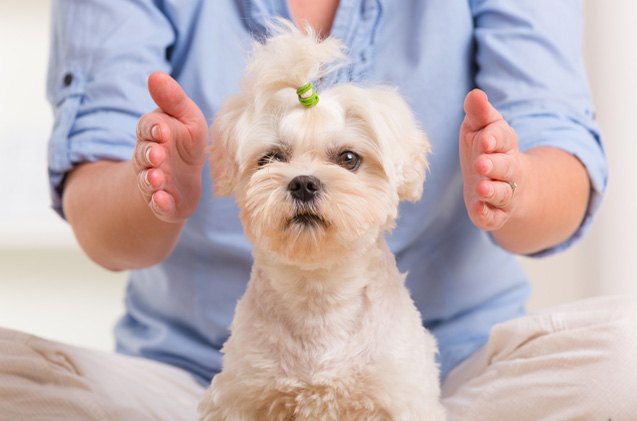
Reiki is a spiritual practice that was developed during the 1920s by a Japanese Buddhist. This practice utilizes a technique called “palm healing” which involves transferring universal energy (called reiki) through the palms of the healer into the patient. Though this form of alternative medicine is typically applied to humans, there may be some benefit to it for animals as well. In this article you will learn the basics about animal reiki including information regarding how it may help your dog.
How Animal Reiki Can Help Dogs
The traditional practice of reiki works in conjunction with the chakras and meridian energy lines found in the human body. In placing the hands at different locations on the body, a healer can draw energy to and from these areas to relieve imbalances. For dogs, reiki can be used to treat various diseases as well as to promote general wellness. This practice is recommended for a variety of conditions including the following:
You may be able to find an experienced reiki animal practitioner in your area, but if you can’t, don’t worry. You should be able to perform basic animal reiki on your dog yourself.
Performing Reiki on Your Dog
Reiki is a gentle and non-invasive form of therapy so it is unlikely that you will injure your dog in performing it yourself. To begin, approach your dog slowly so he does not feel threatened – this is particularly important if he is sick or injured. Pet the dog lightly, paying attention to any areas that appear sensitive to the touch – these are the areas on which you should concentrate when performing reiki. When you feel like your dog is ready, gently lay your hands on the affected area and try to discern the cause of your dog’s discomfort. Is there a visible injury to the area? Is it swollen or warm to the touch? Be very careful when applying pressure to injured areas and do not neglect the surrounding areas because you can energize the whole body and restore balance which will improve the energy flow to the affected area.
Let your spirit guide you in regard to how long you should leave your hands on the affected area – some parts of the dog’s body may require more healing than others. If your dog seems particularly nervous, start by positioning your hands at the base of the ears along his neck – this will help to calm him down. Then you can move your hands slowly over the dog’s body, pausing to direct energy to the areas that need it most. Keep in mind that reiki can take longer to work on animals than on humans, so commit to treating your dog daily for as many days as needed. Eventually your dog will return to his happy, playful self once his energy balance is restored.
Finding a Reiki Practitioner
If you are nervous about performing animal reiki on your dog yourself, you can look for an experienced practitioner. Reiki practitioners are equally capable of performing the therapy on humans and animals, though you may be able to find one who specializes in animal reiki. Even if you choose to have someone else perform the therapy on your dog, you can still observe and learn the technique for yourself so you can continue your dog’s treatment at home.
Though reiki is an alternative form of medicine, it does have value and many dog owners prefer it over modern forms of medicine. If your dog is healing from an injury or seems to be exhibiting behavioral changes or problems, you may want to consider animal reiki.