Transylvanian Hound Basics
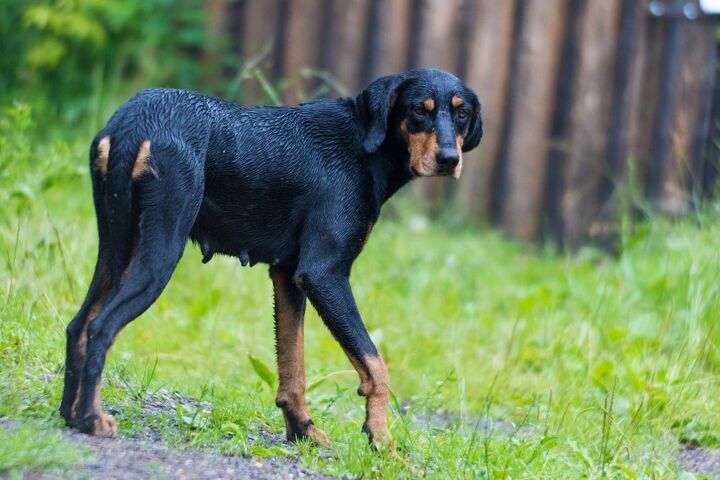
The Transylvanian Hound is sometimes mistaken for a skinny Rottweiler because it has the same black-and-tan coloration. This breed has a much slimmer, more athletic build, however, because it was developed as a scent hound breed. The Transylvanian Hound is an old Hungarian breed known not only for his hunting skills but for his friendly personality and success as a family pet.
The Transylvanian Hound is known for his hunting skills and friendly personality.
Origin
The Transylvanian Hound is an old breed of Hungarian origin, thought to have been brought into the country by invading Magyar tribes during the ninth century. The ancestors of the Transylvanian Hound were bred with various local hounds and Polish hounds to create the modern breed as it is known today. The ancient Transylvanian Hound was popular among the Hungarian aristocracy, especially during the Middle Ages when the breed’s popularity peaked. This breed was developed for hunting game and it was bred in two different height varieties for different types of terrain. The long-legged Transylvanian Hound was used for woodland and grassland large game, like bear, boar, and bison. The short-legged variety was kept for hunting foxes, hair, and chamois over rocky terrain. After the Middle Ages the breed declined significantly and, by the 20th century, it was nearly extinct. In 1963 it was recognized by the FCI and five years later, fanciers of the breed began working to save it. Today only the long-legged variety remains and it is recognized by the Hungarian Kennel Club and the United Kennel Club – the AKC accepted it into the Foundation Stock Service in 2015.
Pedigree
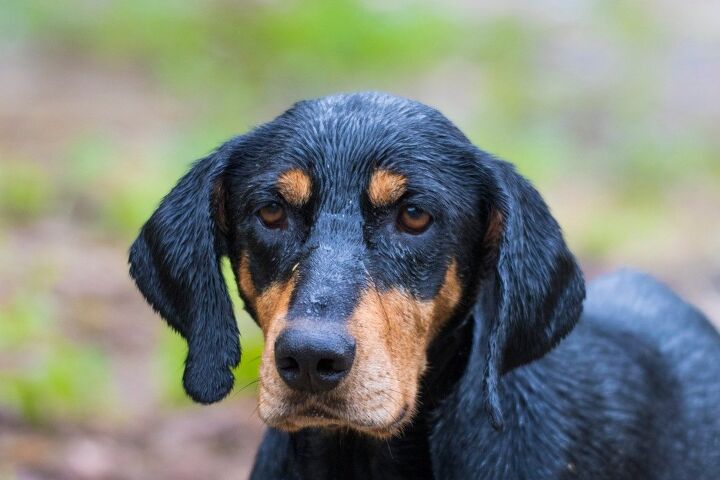
The Transylvanian Hound is thought to have descended from dogs brought to Hungary by invading Magyar tribes during the ninth century. They were bred with various local hounds and Polish hound breeds.
Food/Diet
The Transylvanian Hound is a medium-sized dog and should be offered a dog food diet that is formulated for dogs of that size. This breed is also fairly active, so you may want to consider an active breed formula to ensure that its daily energy needs are met.
The Transylvanian Hound was originally bred for hunting so it is an intelligent breed that learns quickly.
Training
The Transylvanian Hound was originally bred for hunting so it is an intelligent breed that learns quickly – it also has the ability to hunt independently. This being the case, the breed can be a little bit strong-willed at times though they generally aim to please their owners. These dogs can be trained for tracking, pointing and driving game – they may also excel at various dog sports. Positive reinforcement training methods are best for this breed and a firm but consistent hand in training is recommended. As is true for all breeds, you should start training and socialization as early as possible with puppies.
Weight
The Transylvanian Hound is a medium- to large-sized breed that stands between 18 and 21 inches tall, weighing between 66 and 77 pounds at maturity.
Temperament/Behavior
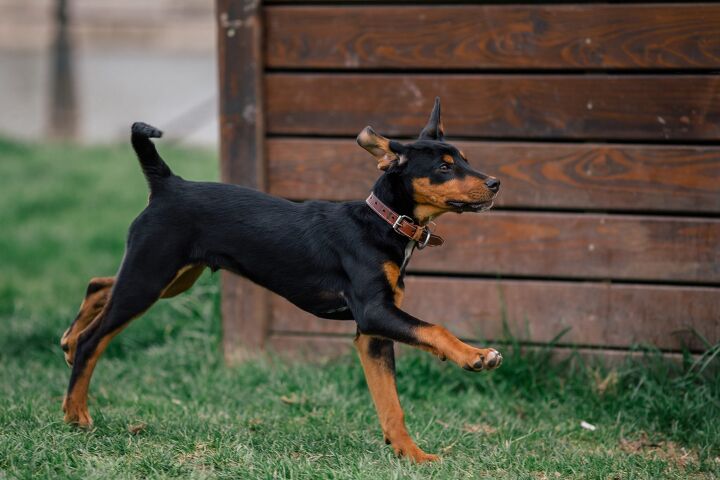
Even though the Transylvanian Hound was originally developed as a hunting dog it also makes a wonderful family pet. These dogs are friendly and amiable by nature and they can be quite loyal and loving with their families. This breed is curious and they have a tendency to follow scents, so you should always keep your dog on a leash when you take him outside. The Transylvanian Hound can be somewhat independent at times due to their hunting instincts, but they love to spend time with family and they generally get along well with children and other dogs. This breed requires adequate daily mental and physical stimulation to prevent the development of problem behaviors.
Common Health Problems
The Transylvanian Hound is a very hardy and healthy breed for the most part, not prone to many serious health problems. Like all breeds, however, this dog can develop minor health issues. The diseases most commonly affecting this breed include hip dysplasia and elbow dysplasia.
Life Expectancy
The Transylvanian Hound has an average lifespan of about 10 to 12 years.
Exercise Requirements
As a hunting breed, the Transylvanian Hound is fairly active. This being the case, he needs a good bit of daily exercise to remain in good health. This dog will appreciate a long daily walk or jog and he will also enjoy training for hunting or other dog sports. Make sure to give this breed plenty of mental and physical stimulation to prevent the development of problem behaviors.
Even though the Transylvanian Hound was originally developed as a hunting dog it also makes a wonderful family pet.
Recognized Clubs
The Transylvanian Hound has not yet been recognized by the American Kennel Club but it was entered into the Foundation Stock Service in 2015. This breed is recognized by the Hungarian Kennel Club and the other US-based group, the United Kennel Club.
Coat
The Transylvanian Hound has a short, smooth coat that is fairly dense with a shiny appearance. It is primarily black with tan markings on the muzzle and legs as well as a tan point above each eyebrow. Because the breed has a double coat, regular brushing is recommended to control shedding.
Puppies
The average litter size for the Transylvanian Hound breed is between 6 and 8 puppies. As is true for all breeds, you should start training and socialization as early as possible with Transylvanian Hound puppies.
Photo credit: Mircea Costina/Shutterstock; Angyalosi Beata/Shutterstock