Winter can come with many unpleasant surprises – and antifreeze poisoning in dogs in one of them. Recognizing the signs and symptoms is key to being able to save your pet’s life.
We’ve all heard the stories that make us want to hold our dogs tight and never take them outside in the winter. There are twisted individuals that will lace kibble or treats with antifreeze and place it where they know dogs will frequent. Glycol, a chemical found in antifreeze/coolant that is poisonous to animals, can take deadly affect in mere hours after being ingested, resulting in illness and death of a beloved family member.
My dog, Kika, absolutely adores food – you name it, she’ll eat it. Carrots, lettuce bits, apples? Oh yes. She licks her bowl clean especially when its mealtime, no question about it. During walks, she’s as curious as any other dog and the fact that it wouldn’t take much of this anti-freeze laced kibble to kill her makes me want to become that over-bearing pooch parent we always wag our eyebrows towards. “Don’t sniff that! Don’t lick this!”
While you’re less likely to encounter glycol-laced kibble on your walk or trip to the dog park, antifreeze poisoning in dogs is more common than you think. The heartbreaking truth is that this can happen to anyone in their own backyard or garage and you’d never know until it’s too late.
Many of these accidents happen just before winter when motorists “winterize” their car by changing into winter tires, checking the heater, defroster and topping up on fluids, especially coolant. It would only take a few drops of coolant that had accidentally hit the garage floor to jeapordize your pet’s life if they find it. Dogs, cats and even children are invited by the antifreeze’s sweet aroma and taste and won’t hesitate to taste it. Five tablespoons would be enough to kill a medium-sized dog such as a Golden Retriever. Smaller dogs and cats need only lick their paws after stepping into the harmful chemical for it to be lethal.
Symptoms of antifreeze poisoning in dogs include:
If your dog exhibits any of these after a trip outside, you need to rush him to the closest veterinary hospital as soon as possible, as this can lead to kidney failure. Chances of survival decrease exponentially the longer your dog is without treatment. Once kidney failure is confirmed, most animals do not survive.
A blood and urine test is made to confirm antifreeze poisoning, although if kidney failure has already begun, these tests sometimes come out negative. If you get your pet to the veterinary within a few hours of ingestion, vomiting is induced to remove as much of the harmful substance as possible and charcoal is placed into the stomach to bind antifreeze in the intestine. The vet will also deliver a drug to prevent the liver from converting the coolant into toxic products so the antifreeze can pass out of your pet’s body via its urine. More aggressive treatments include dialysis and even kidney transplants.
There are a few coolants on the market that offer a safer solution to keep you and your pooch safe. Products such as AMSOIL Antifreeze and Prestone’s Low Tox Antifreeze claim to be specifically designed to be safer around pets, however they are still harmful if your dog ingests it and you’ll still need to bring your pet to the vet.
To prevent your pet from accidentally being poisoned by any kind of coolant/antifreeze around your home, the safest way is to not have them in contact with it at all. Keeping your pet indoors while you do any work on your car, especially if it has to do with fluids, is one way to keep them safe. If your pet is outside, keep any harmful chemicals off the garage floor or where your pet can reach it and always keep these areas free of spills or messes.
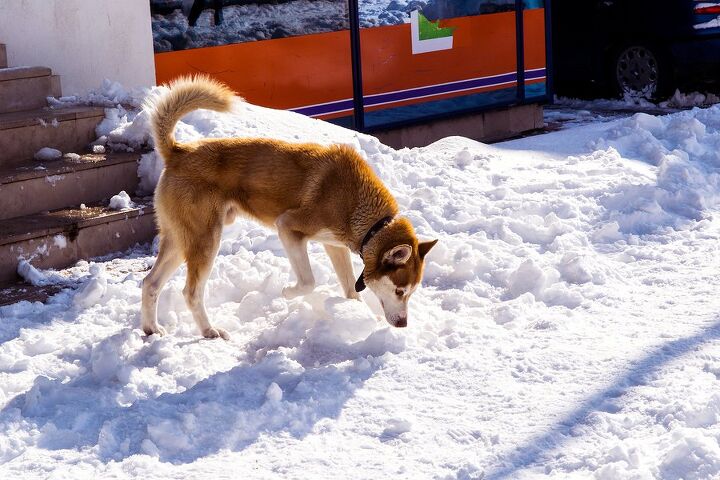
On walks around the neighborhood, keep an eye out for puddles or liquids that aren’t frozen over or are brighter in color. Make sure you see it before your dog does and steer clear. Once you get home, wipe your dog’s paws with a towel or a wet cloth. Ingestion can occur if your dog licks his paws after stepping in antifreeze.
Do your part to stop antifreeze poisoning in dogs. Make sure that antifreeze is kept safely and securely out of reach, keep your car maintained and watch for antifreeze leaks, and if you do spill this toxin, clean up the mess promptly and thoroughly.