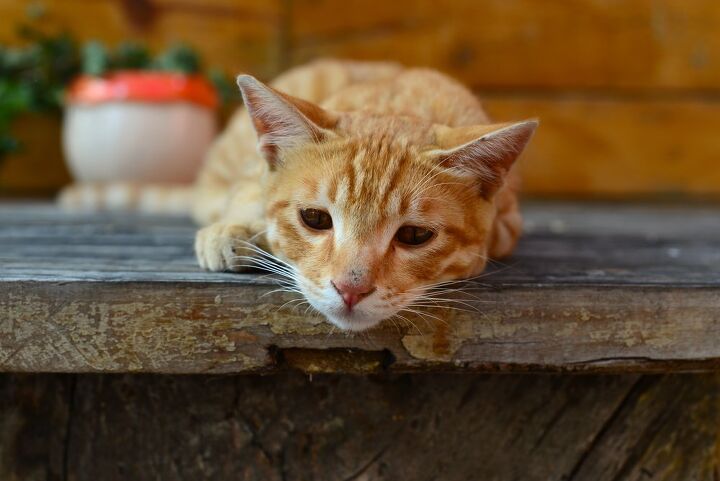
While it’s not known what causes the condition, pancreatitis in cats is a serious issue. Here’s what you should know about the disease.
Pancreatitis occurs when a cat’s pancreas becomes inflamed. What causes this condition, is it serious, what are the symptoms, and what can be done to treat it? We cover the basics below so you can have a better understanding of feline pancreatitis.
What Causes Feline Pancreatitis?
The pancreas is involved in the production of enzymes that are used during digestion, and it also secretes hormones like insulin. When functioning normally, the enzymes will make their way to the small intestine for digestion. When inflammation is present, however, the enzymes become activated too soon, while they’re still in the pancreas, so they start digestion there. They also no longer flow properly into the digestive tract; instead, they make their way into a cat’s abdominal cavity, causing damage to other organs as well.
Related:A Brief Guide to Feline Calicivirus
Unfortunately, the causes of pancreatitis aren’t well known yet. Some experts think that a defect in a kitty’s defense systems causes the condition, while others hypothesize that it might have something to do with a cat’s diet. Physical trauma to the pancreas might also cause inflammation there. Plus, an infectious disease, inflammatory bowel disease (IBD), a parasitic infection, liver disease, and toxoplasmosis may lead to this condition. Beyond all of that, exposure to toxins, such as the ingestion of insecticides, may be to blame as well. And adverse reactions to medications, too, have been cited as a potential cause.
Ultimately, there’s quite a bit of debate surrounding what exactly triggers pancreatitis in the first place because, in many cases, no specific cause can be found.
What Are the Symptoms of Pancreatitis?
Signs that there might be a problem include:
Symptoms could be easy to miss at first. Keep in mind that a cat might not show obvious signs of pancreatitis; instead, she might just look tired and avoid eating, appearing ill and not acting like herself. There may not be other signs, such as abdominal pain or vomiting.
Related:What Is FIP in Cats?
If your cat starts refusing food, even if it’s only for a day, experts recommend calling your veterinarian, just to be safe.
What Are the Treatment Options?
Feline pancreatitis may come on suddenly and for no apparent reason. Your cat might be fine when acute, severe pancreatitis occurs. Thankfully, a cat might be able to recover, and may not have a similar problem again. However, it’s important to know that, with severe pancreatitis, shock or death is possible. Also, a cat might recover, only to develop chronic pancreatitis, experiencing intermittent episodes of inflammation over time, leading to scarring of the pancreas that could inhibit its function.
Your veterinarian will likely run a series of tests and carefully examine your kitty, as well as review your pet’s medical history, to diagnose pancreatitis. In terms of treatments, hospitalization is often recommended, along with supportive treatments, such as pain medications, antibiotics, fluid therapy, and prescriptions for nausea, as a few examples. And, once your cat recovers, you can also talk to your vet about diet recommendations, such as the addition of digestive enzymes to the pet’s food.
Concerned About Your Cat? Talk to Your Vet!
If your cat starts showing signs of pancreatitis, talk to your vet. The sooner you can start giving your kitty the treatment she needs, the better, as doing so may help increase her odds of recovering without complications.