Golden Chow Box Basics
If breeding dogs were like horse-racing, the Golden Chow Box would be the perfect trifecta because it brings together 3 of our favorite top dog breeds. The playful, animated Boxer gentle, sweet-natured Golden Retriever and the loyal, protective Chow. The positive side to this type of mix is that you get a loyal family dog that gets along well with kids and other pets once socialized and is up for all sorts of activity. The challenge can be that you have 3 highly diverse personalities and with any mix of breeds, there is potential to get a dog with a few of the less than ideal personality quirks that require a little extra training and attention. The Golden Chow Box will most certainly be a great watchdog because of his loyal, protective nature as well as a highly active dog given the Retriever and Boxer in him. This dog will also thrive on human companionship – which can become problematic if he’s left on his own for long periods of time because he can be prone to separation anxiety.
The Golden Chow Box brings together three of North America’s favorite breeds; the Golden Retriever, the Chow and the Boxer.
Origin
The Golden Chow Box is classed as a Designer Dog – a term that first became popular back in the 1980s and refers to the crossing of two or more pure-breds in order to arrive at a dog that is healthier, often non-shedding, smaller or gentler than many of the popular breeds of the day. With the Golden Chow Box, his parent breeds are the Boxer (typically 50% of the DNA), the Golden Retriever (25%) and Chow (25%) and in spite of his more recent designer breed status, he hales from parent breeds with some pretty impressive history. The Boxer dates to late 19th century Germany where he was bred for hunting before moving to America where he found his true calling in World War I performing active duty as a guard and messenger dog. The Chow is said to hale from northern China where he was used to guard ancient temples almost 2,000 years ago while the Golden Retriever was developed in Scotland back in the mid-1800s as a solution to the need for a dog that was adept at retrieving downed waterfowl on both land and in water.
Pedigree
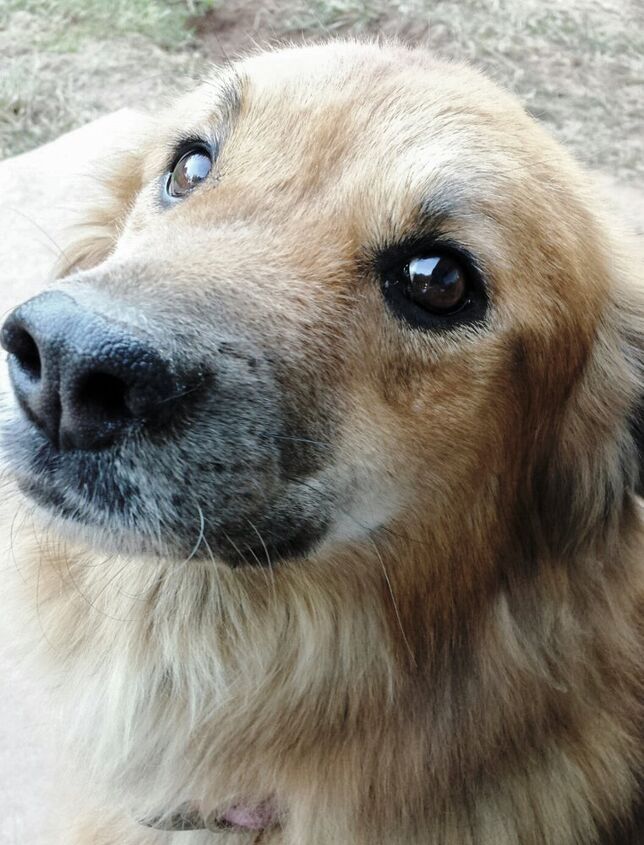
With the American Kennel Club (AKC) committed to promoting pure-bred dogs over mixed breeds, a Designer Dog such as the Golden Chow Box just isn’t going to qualify for registry in this highly coveted club. However, all three of this dog’s parent breeds are long time AKC members who have also proven to be highly popular breeds throughout North America. The Boxer became a member of the club’s “working” group back in 1904 and is described as brave, smart and active while the Golden Retriever was inducted back in 1925 to the “sporting” group and is considered a friendly, intelligent and devoted dog. The Chow became a member of the “non-sporting” group in 1903 and he’s said to be a dignified, bright and serious-minded pooch.
Food/Diet
A nutrient-rich diet that is designed to meet his physical needs including size, age and activity level is important for every dog. With your Golden Chow Box being an active dog, you’ll want to ensure his diet is rich in proteins that keep him feeling satisfied and don’t leave him feeling hungry throughout the day. As both the Boxer and Chow in him may be prone to bloat, meals should always be smaller and served 2 to 3 times throughout the day versus allowing him to free-feed or giving him large volumes of food all at once. Exercise should also not be planned for sooner than 1 hour after feeding. This dog may be prone to joint issues later in life which means you need to establish and work at maintaining his ideal weight throughout life.
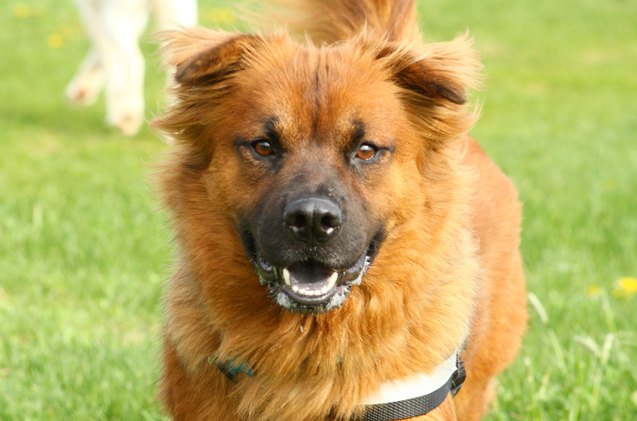
The Golden Chow Box is a great family dog who once socialized, gets along well with kids, other pets and dogs.
Training
Although dogs that come from intelligent breeds can be quick to pick up and obey commands, they can also have a mind of their own and be a handful when it comes to training. Add in the stubborn personality of a Chow dog and you’re going to need patience to bring out the best in this dog. It’s important that socialization become an important part of the training process and with the Golden Chow Box this should begin when he is very young by exposing him to new people, places and situations including training classes for puppies. This will help ensure his comfort in different situations and with new experiences. As with most dogs, the Golden Chow Box will give you his very best when he’s trained using a positive, rewards-based approach that ensures he gets lots of treats, appreciative pats and verbal praise each time he accomplishes a task. Because the Retriever in this boy brings an eager-to-please personality, training where he has the chance to show you he can pick up and respond to your commands (with you cheering him on) will go a long way in building a positive bond between you and your pooch.
Weight
Temperament/Behavior

The Golden Chow Box is a great family dog who once socialized, gets along well with kids, other pets and dogs. He will almost certainly take on the cautious, careful personality of the Boxer and protective nature of the Chow when it comes to strangers and this makes him a great watchdog who will readily bark to alert his human pack to perceived danger however training will be required to ensure he does not become aggressive. This pooch just thrives on human interaction and considers himself to be an integral part of all family activities. His need to be with people can become problematic if he’s left on his own for long periods of time as he is prone to separation anxiety and can take on destructive behaviors such as chewing or continual barking. Similarly, if he doesn’t receive regular daily exercise and his much-needed interactive playtime to help him burn off a little energy, he can become bored, restless and act out. Because this is an intelligent dog, consider buying him some puzzle toys that will help keep him occupied and challenge his problem-solving skills.
Common Health Problems
Although Designer Dogs are typically free of many of the health issues that plague their pure-bred parents, it’s always wise to do a little research into the types of problems your new pup may inherit down the line. Particularly when there are three different breeds involved. With the Golden Chow Box, that can include heart disease and certain cancers from both the Retriever and Boxer as well as joint issues such as dysplasia from all three breeds. Chows can also experience digestive issues including bloat. While this list may seem daunting, the Golden Chow Box is still considered a healthy dog breed and it’s quite possible your pet will never experience these concerns in the course of his lifetime.
Life Expectancy
With a regular exercise regimen, a top-quality food suited to his size, age and activity level plus regular preventative maintenance check-ups with your vet, you can expect your Golden Chow Box to live between 10 and 12 years; which is about average for a larger medium-sized dog.
Exercise Requirements
One-on-one exercise is a great way to bond with your Golden Chow Box and this can range from throwing a ball in the yard, taking him on a long walk or including him in your running or jogging activities – all important for his physical and mental health. While this is typically an active dog, if the Chow in him dominates, you may need to give him a nudge to get him started, however once up and moving, he’ll be just fine. Although his walks should be of the longer variety (around 1 hour), expect to adjust this schedule in warmer weather as Chow’s do not do well in the heat. Shorter walks or activities in a shaded yard are ideal when temperatures rise. Playtime that includes running and agility games such as catching a frisbee or chasing a ball are also a great way to change-up his routine. Visits to an off-leash dog park are another way for him to burn off some energy, engage with other dogs and brush up on his socialization skills. Meeting his exercise needs will help prevent him from developing behavioral issues such as chewing and barking.
The Golden Chow Box thrives on human interaction and doesn’t do well when left on his own for long periods.
Recognized Clubs
The Golden Chow Box is the offspring of three different pure-bred dogs and because of this he doesn’t qualify to join the roster of the American Kennel Club (AKC) who are dedicated solely to individual pure-bred lines. At this time, he is not recognized by any of the lesser known clubs.
Coat
While your Golden Chow Box may inherit the shorter, thin coat of the Boxer it’s more likely you’re going to see the long silky double-coat of the Retriever and / or the super thick, plush coat of the Chow. Whichever DNA dominates, you can expect a “full” coat that will require brushing 3 to 4 times per week (with specific attention paid to his thick under-coat) to keep his hair from becoming matted or tangled – particularly around his head and ruff – and prevent loose hair from becoming a problem in your home, your vehicle and on your clothing. Because Chow’s can be prone to skin conditions, it’s important that if your dog inherits the profuse double-coat of the Chow that he be visually inspected periodically for signs of skin irritations and always fully dried after bathing (or swimming) to prevent potential fungal infections. And because floppy-eared dogs are prone to smelly yeast infections, a weekly ear inspection and simple cleaning that uses damp cotton balls will be needed to help remove dirt and prevent issues down the line.
Puppies
The Golden Chow Box can be expected to have a litter of between 6 and 8 good sized puppies that do well with gentle handling from the time they arrive. These pups bring the DNA from three highly intelligent breeds that, while friendly and loving, can also be stubborn and cautious around strangers. For that reason, plan to socialize early by introducing this pup to new faces, the experience of being handled and the smells and sounds of other animals. Begin when they are just a few weeks old (with mom’s approval) by slowly building up the pup’s confidence with new, positive and controlled experiences. This little guy can be prone to joint issues and digestive problems such as bloat later in life, so ensure playtime and exercise don’t over-exert tiny limbs and that he begins a feeding regimen of smaller meals throughout the day versus allowing him to free-feed.
Photo Credit: Nick Chase 68/Shutterstock; Shelia R. Wiseman/Shutterstock; Mary Swift/Shutterstock