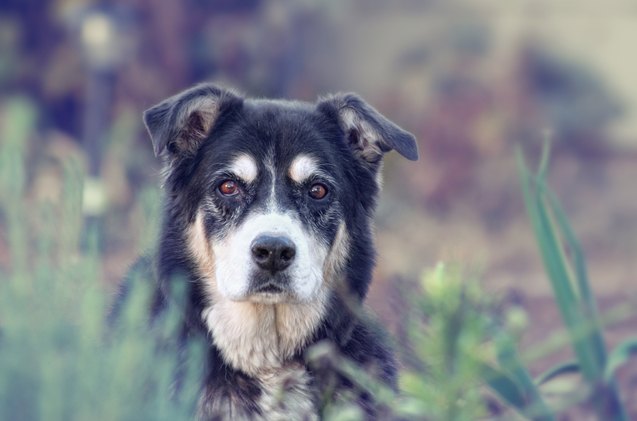
There are some diseases that have the potential of robbing your pooch of his eyesight – that’s why you need to know about Glaucoma in dogs.
When it comes to preserving the health of your dog there are some conditions you may overlook simply because the symptoms are not immediately obvious. One condition which can be difficult to diagnose but is incredibly dangerous for your dog is glaucoma. Let’s go over the basics about what glaucoma is as well as its causes, symptoms, and treatment options.
What is Glaucoma in Dogs?
Glaucoma is an eye condition that occurs when the fluid pressure inside the eyeball becomes higher than normal. A healthy eye contains fluid that helps the eyeball to retain its shape and the body constantly adjusts, adding or removing fluid to maintain proper intraocular pressure. When that pressure becomes too great, however, it can be very damaging to the internal structure of the eye. In many cases, this increase in pressure arises from the inability of the eye to drain fluid correctly. Fluid is always being added to the eye to accommodate for drainage but, if the excess fluid doesn’t drain properly, it could result in abnormal pressure. If the pressure inside the eye becomes too great, it can lead to a rupture which could cause permanent loss of vision.
Related:Living Well With Your Blind Dog
Signs and Symptoms
There are two different types of glaucoma in dogs – primary and secondary. Primary glaucoma is the result of a predisposition to the condition, usually due to genetics. In cases of primary glaucoma, the animal may have drainage pores that are too small or the angles may be too narrow to allow for proper drainage of fluid. Secondary glaucoma is caused by another condition, often a penetrating wound to the eye which leads to inflammation and impaired drainage of the eye – scar tissue may also form, affecting the ability of the eye to drain properly.
Related:Blind Service Dog’s Smile Brightens The Lives Of Others
Because glaucoma can progress quickly and because there is a real risk for permanent loss of vision, it is important that you notice the signs of this condition and take action as quickly as possible. Early signs of glaucoma may include pain, dilated pupils, cloudiness of the eye, or an increase in the size of blood vessels within the eye (reddening of the eye). It is common for dogs to only exhibit one or two of these symptoms, not all of them, so it is easy to miss the signs of glaucoma before it becomes too late for treatment to make a difference.
Treatment Options
When it comes to treating glaucoma in dogs, time matters – in a matter of days, or even hours, the pressure increase within the eye could lead to a rupture and permanent loss of damage. If you catch it in time, glaucoma can be treated medicinally or surgically depending on the severity. The goal of these treatments is to reduce pressure within the eye, to reduce the amount of fluid produced, to increase drainage, and to manage pain. In cases of secondary glaucoma, treatment will also be focused on treating the primary cause of the condition.
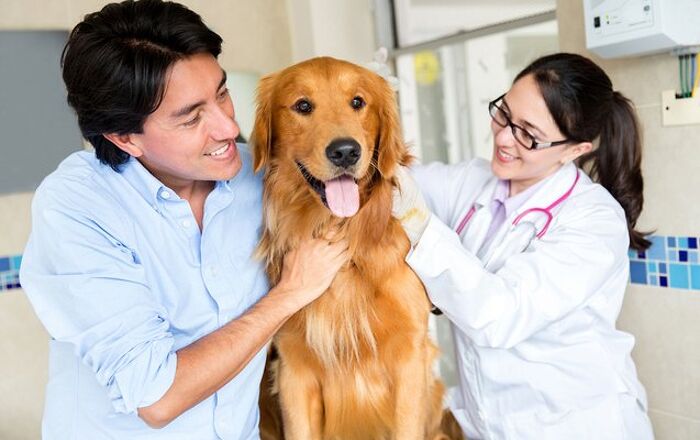
Glaucoma can turn out to be a serious issue for your dog. If you don’t catch the warning signs and start treatment promptly, his condition can quickly worsen and may lead to permanent damage. If you suspect your dog is developing glaucoma, take him to the vet as soon as possible for diagnosis and treatment.