Brown Throated Conure General Info
One of the rarer conures in the pet parrot world, Brown Throated Conure is incredibly charming and makes a wonderful pet. With cute looks, a friendly and goofy personality, they never fail to entertain or put a smile on your face. Being very social birds, they will often make a strong bond with their owners and will require plenty of playtime and interaction. But besides this, they are a low maintenance bird and as such, a good choice for beginner owners and all those looking for a friendly and loving pet parrot. The popularity of these parrots is the proof of their lovable traits.
Brown Throated Conure is one of the rare parrot breeds that like to nest in holes like rock crevices, ground burrows and tree mounds.
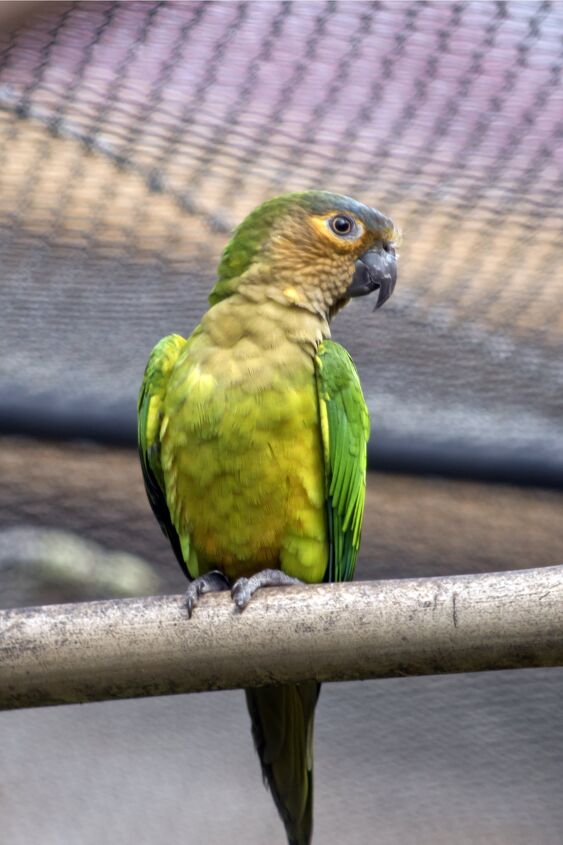
Native Region/Natural Habitat
They are a common sight in a big part of northern South America and is seen in the Guianas, Venezuela, Colombia, Brazil and Leeward Antilles. A few populations in Panama and Costa Rica are also thriving. They inhabit savannas, woodlands, and scrub, but can also be seen in dense forests. This vast region in which they live guarantees a stable population which in turn makes these conures always present in the aviculture. Their favorite nesting spots are termite mounds found high up in the trees. This is one of the unique cases of nesting habits in the parrot world.
Overall Description
Their physical appearance doesn’t differ too much from most conure breeds, but their unique color patterns and appearance in flight, certainly make them stand out. The adults reach an average length of 10 inches (25 centimeters) and weigh around 4 oz (100 grams). These birds might not be among the biggest breeds out there, but they certainly have plenty of energy. They will need a fairly big cage adequate for their size, and enough space for movement and exercise. You should regularly offer them a chance to tour the house and move outside of the cage. They can be quite the explorer, though, so be on the lookout.
Speech and Sounds
There is a noticeable difference in levels of noise with Brown Throated conure when compared to the more popular Sun conure and Nanday conure. They are still vocal, but much less than the latter two, which makes them much more tolerable as apartment pets. They have cute voices and melodious natural calls which can be heard from time to time. The only time when noise can get out of hand is when the parrot is neglected, bored and lonesome. But in general, this is an apartment-friendly parrot and makes for a great pet.
Colors
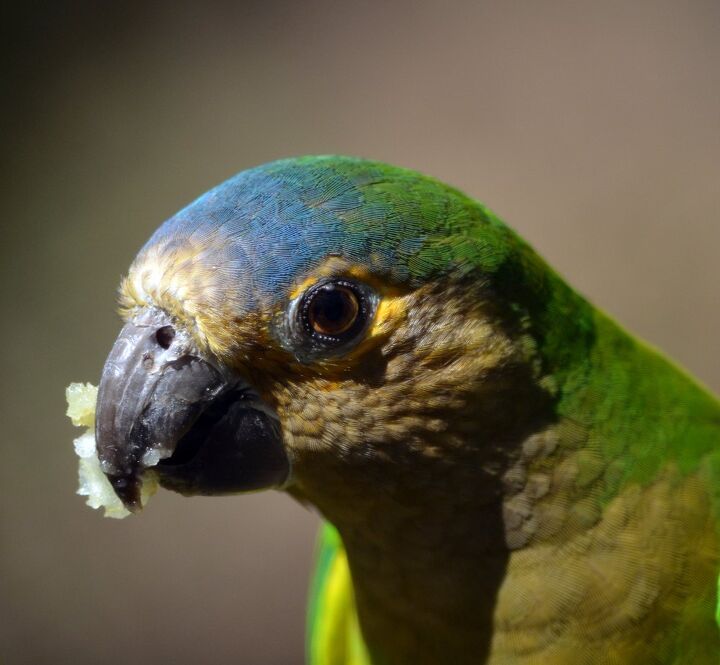
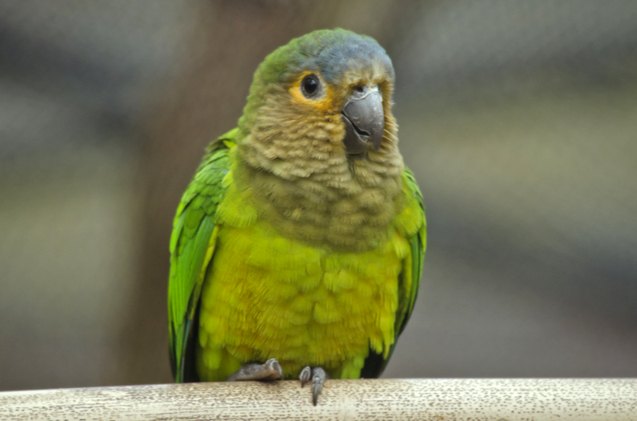
Simple colors, earthy tones and not too many details, make the Brown Throated conure a simple but charming parrot. The colors work well with their cute and quirky looks and make these parrots even lovelier. The body is mostly bright green, with the underside, like the chest and abdomen, being more yellowish and lighter. The cheeks and throat are brownish green – a detail that gives them the name. Black beak and tiny cute feet complete this look and give them that iconic look which is hard to resist.
An isolated subspecies of this parrot, named Xanthogenia, has a bright yellow head and is found only on Bonaire island, in the Leeward Antilles.
Care and Feeding
In the wild, these parrots sustain themselves with a varied diet. It mostly consists of the basics – fruits, nectar, insects, seeds and crops. A commercial seed mix for conures or parakeets will do well for your pet. It contains plenty of minerals found in maize, rye, oats and millet seeds. To further supplement this diet, you should add some fresh fruits and vegetables, and an occasional cooked food like chicken breast or potato. This ensures no deficiencies in vitamins, which can cause feather related problems and chemical imbalances.
Health and Common Conditions
Don’t let the fragile appearance and petite size of these parrots fool you! They have an admirable health and are surprisingly adaptable and durable. Ensure a balanced diet, plenty of exercise and socializing and you will have no big issues. Brown Throated conure has a moderate lifespan of about 25 years and they won’t need much to spend it issue-free.
Friendly parrots depend on a lot of social interaction. If you have a single bird make sure to play with them, cuddle and show affection. Loneliness and boredom are big threats.
Personality & Behavior
One of the friendliest pet parrots, Brown Throated Conure has a loving, fun personality. Their energy gives them a tendency to goof off and be a bit of a clown, so you can always expect new tricks and new improvised toys. But still, some of their favorite things are cuddles and scratches- they are truly affectionate. You will also be charmed by their little feet, the silly way they walk. and the hilarious behavior. Brown Throated Conure is a great pet for most people- from families to seniors and singles, everyone can appreciate the sweet and entertaining nature of this pet bird.
Photo credit: Susan Flashman/Shutterstock