Cao de Castro Laboreiro Basics
A large and impressive breed, the Cao de Castro Laboreiro is fairly rare outside his home country of Portugal. Thought to be descended from Mastiff-type dogs, this livestock guarding breed is known for his protective instincts and his endurance. If you’re looking for a guard dog, the Cao de Castro Laboreiro might be a good choice for you. Just be careful about bringing this dog into a family that already includes other dogs or pets.
A large and impressive breed, the Cao de Castro Laboreiro is fairly rare outside his home country of Portugal.
Origin
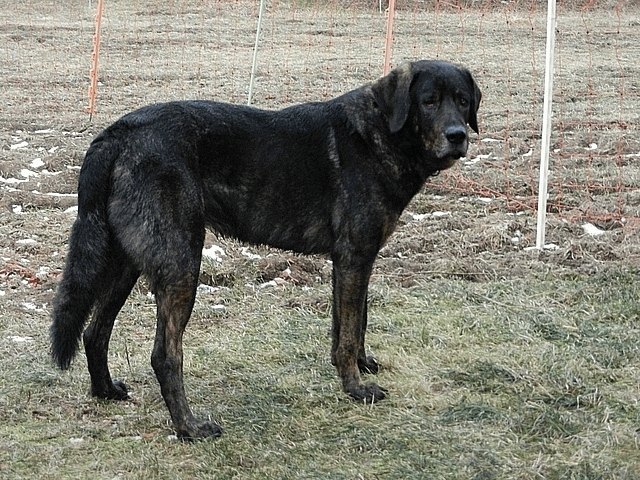
The Cao de Castro Laboreiro is a large, livestock guarding breed developed in Portugal. The breed’s name refers to a small town in northern Portugal, Castro Laboreiro, which has changed from a small mountain town into an urban area. The modern breed is descended from an old molosser-type dog that worked with herders in the mountains to defend flocks against wolves, mountain lions, and other predators. The exact origins of the breed are not known and literary mentions of the breed are nonexistent prior to 1800. The dog is known today is a general livestock guarding type that went out of popularity when wolves were largely eradicated. Today, the breed still exists, though it is somewhat rare and is generally kept as a companion pet and guard dog rather than a working breed. The breed was first shown in 1914 and though it has gained some popularity, it has yet to be recognized by the AKC.
Pedigree
The exact origins of the Cao de Castro Laboreiro are unknown, but it is common opinion that they descended from Mastiff-type dogs that were brought to Portugal during Roman times.
Food/Diet
As a large-breed dog, the Cao de Castro Laboreiro should be fed a high-quality dry food formulated for larger breeds. It is also a working breed, so he may do well on an active or working breed formula as long as you are careful about overfeeding to prevent obesity. Follow the feeding instructions carefully to avoid overfeeding or underfeeding.
The Cao de Castro Laboreiro is an intelligent breed that was developed to work independently as a livestock guardian.
Training
The Cao de Castro Laboreiro is an intelligent breed that was developed to work independently as a livestock guardian. This being the case, the breed generally responds well to training but he can be stubborn and willful at times. You’ll need to exhibit strong leadership to keep this dog under control, though it should never be necessary to use punishment or harsh training techniques. Start socializing and training your dog as early as possible and continue it throughout his life.
Weight
The Cao de Castro Laboreiro is a large-breed dog, standing between 20 and 24 inches tall and weighing up to 90 pounds at maturity. Males of the breed are a little larger than females in both height and weight.
Temperament/Behavior

The Cao de Castro Laboreiro is like most livestock guarding breeds – he forms strong bonds with family and can be protective and territorial at times. This breed is not inherently aggressive, but they do tend to be aloof around strangers and they will not stand for any member of the family being mistreated. These dogs are highly intelligent and they can be a bit stubborn or willful at times. With their family, however, this breed is very gentle and affectionate – they can even get along with children when raised from a young age. Just be mindful of this breed’s tendency to be suspicious towards strangers and his strong guarding instincts. He may not be the best choice for a house with other dogs or household pets.
Common Health Problems
The Cao de Castro Laboreiro is a fairly rare breed so it is unknown whether any inherited conditions are a high risk. There are, however, certain health problems that might be a problem simply based on the dog’s size. Some of the health problems that might affect this breed include hip dysplasia, elbow dysplasia, gastric torsion, entropion, ectropion, cataracts, and progressive retinal atrophy.
Life Expectancy
The average lifespan for the Cao de Castro Laboreiro is thought to be about 12 to 15 years.
Exercise Requirements
As a livestock guarding breed, the Cao de Castro Laboreiro spends a lot of time on the move so his energy level is fairly high. A 60-minute walk once a day will generally be enough to meet this breed’s exercise requirements, though you can break it into two smaller sessions. This breed will also appreciate having a fenced yard to himself.
Cao de Castro Laboreiro forms strong bonds with family and can be protective and territorial at times.
AKC
The Cao de Castro Laboreiro is not currently recognized by the AKC but he is recognized by the FCI and the UKC. The FCI classifies him in Group 2 as a Mountain Type and the UKC as a Guardian Dog.
Coat
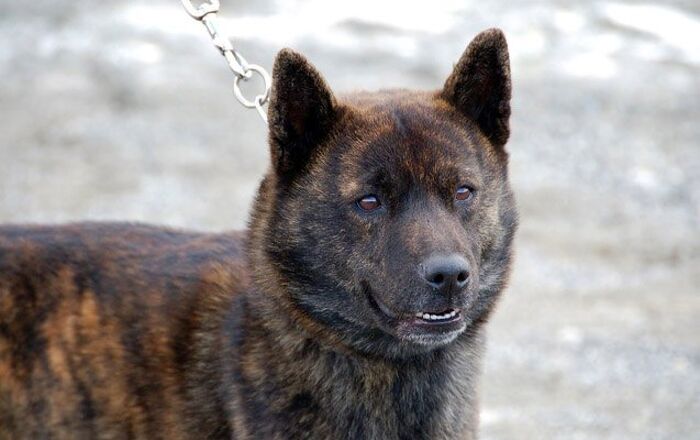
The Cao de Castro Laboreiro is a large dog with a short but very thick weather-resistant coat. It is shorter and smoother on the head, ears, and legs but longer on the thighs and tail. The breed does not have an undercoat, but it does shed fairly heavily. Although the Cao de Castro Laboreiro’s coat is very thick, his grooming requirements are fairly low. Brushing the dog’s coat several times a week will help keep shedding under control and will distribute the natural oils produced in his skin to keep the coat water resistant. This breed should never require professional grooming unless you prefer not to do things like nail clipping and ear cleaning yourself.
Puppies
The average litter size for the Cao de Castro Laboreiro is 4 to 8 puppies. Because this breed grows up to 90 pounds at maturity, it often takes puppies more than a year to reach their full size. During this time, it is best to feed your puppy a large-breed puppy formula to prevent him from growing too quickly. It is also very important with this breed to start training and socialization as early as possible.
Photo credit: Schiowa/Wikimedia; E N/Flickr