Domestic Longhair Breed History
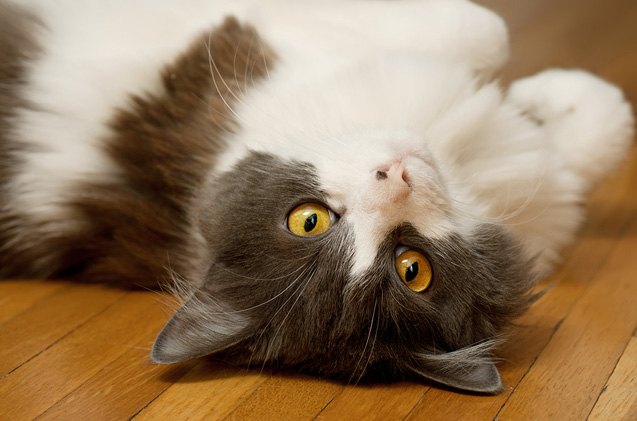
Considered one of the most popular cats in the United States, the Domestic Longhair is also one of the most common breeds. But it is actually a combination of several breeds, so you can call these cats mutts. In other words, the Domestic Longhair is not a recognized breed.
Today’s Domestic Longhairs are descendants of the Domestic Shorthairs that lived more than 400 years ago. Their fur grew long because of a spontaneous mutation that allowed the coat to be thicker and fuller so the cats could stay warm in cold and icy areas like Russia, Turkey, and Persia.
When the early settlers made their way to America, they brought Domestic Longhairs with them in order to help control the rodent population on their boats. Today, these super cute kitties with luxurious coats make wonderful pets, and they still have that natural instinct to hunt down prey. Also, even though they might be a bit harder to find than Domestic Shorthair cats, if you check your local animal shelters, you may discover that some Domestic Longhairs are patiently waiting for their forever home.
Considered one of the most popular cats in the United States, the Domestic Longhair is also one of the most common breeds.
Breed Traits
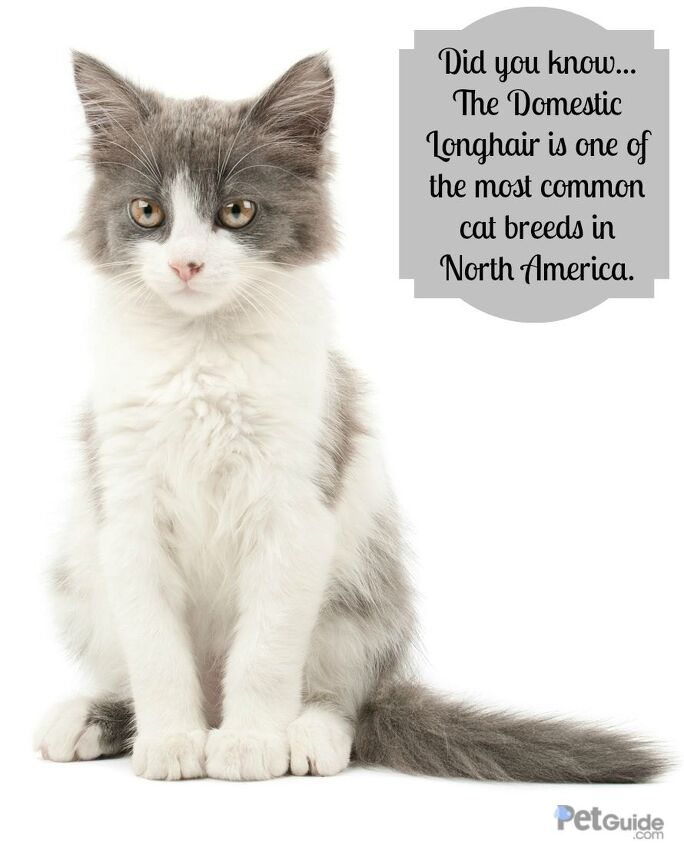
These great looking cats have equally great dispositions, but because they are not considered a single breed and have a diverse gene pool, they can have a range of personalities. Every cat is unique in their own way, regardless of breed, and the same is true of Domestic Longhair cats, especially because they aren’t purebred and have a mixed ancestry.
If you are thinking about bringing one or more of these kitties home, consider spending some time getting to know them so you can figure out their personalities. While one Domestic Longhair might be fairly shy, another might be ready to play all the time. Knowing an individual animal’s preferences and needs will help you create the perfect home for them, where they can feel safe and loved.
Generally, though, these cats can be described as friendly, social, playful, loving, intelligent, and loyal companions that do well in just about any home. But, again, some of them may be more reserved or independent, so don’t expect every Domestic Longhair cat to be outgoing.
Another thing to consider is that Domestic Longhairs might be easy to train, especially if you use positive reinforcement and a gentle approach when it comes to teaching your pet the rules of the house. In addition to that, you might even be able to train your kitty to do tricks, walk on a leash, or travel with you.
Domestic Longhairs can have a lot of energy, are affectionate toward their owners, and are usually also quite open to meeting strangers. These cats are even known for being talkative with their favorite human companions. So, overall, they can make wonderful pets. It’s no surprise that they’re so popular!
Overall Description
The Domestic Longhair is basically a Domestic Shorthair with fancier, longer fur. The long fur gene is recessive, though, so only about 1 in every 10 cats will be a longhaired cat, making these felines rarer than their shorthaired counterparts. Again, if you go to a local shelter, you might find a lot more Domestic Shorthairs, but you might still be able to find that perfect Domestic Longhair that you’re searching for.
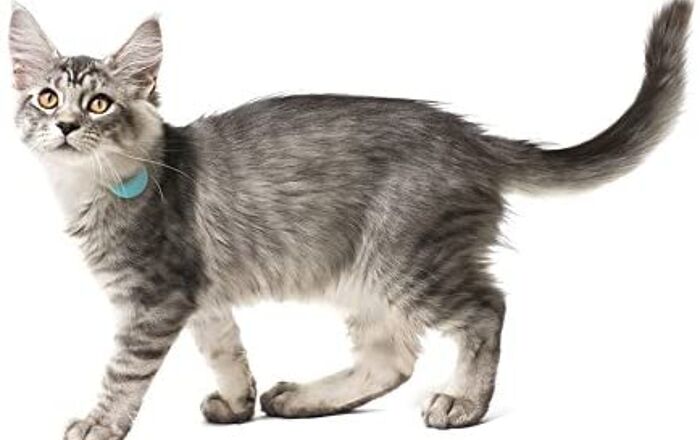
Some Domestic Longhairs can be smaller, while others can be quite large, but these kitties tend to be medium in size. And the coat on these kitties is particularly beautiful. The medium to long fur can range from 2 to 6 inches in length. If a Domestic Longhair also has a neck ruff, it will make their head look even broader than it really is. Foot and ear tufts are also possible on Domestic Longhairs.
Like their personalities, the physical features of a Domestic Longhair can vary considerably from one cat to another, depending on the breeds and genes in an individual cat’s ancestry. This is why Domestic Longhairs come in a range of sizes, body types, and face shapes. In other words, you could be looking at two Domestic Longhairs but you might not know it right away because they look totally different.
Colors
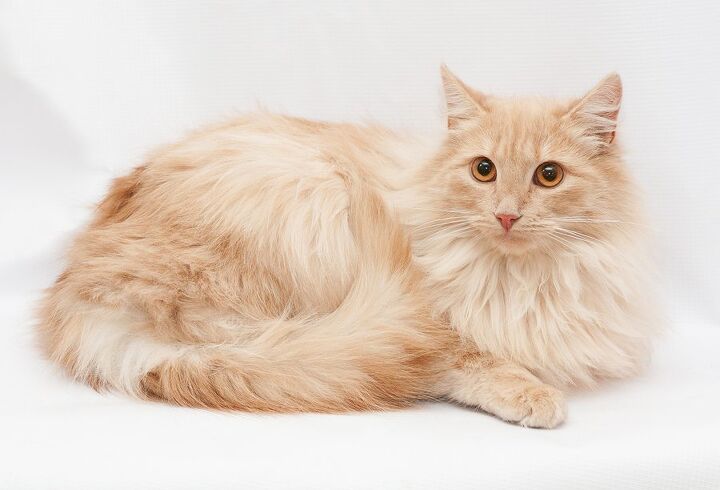
In the same way that Domestic Longhairs can have a range of physical characteristics and different personality types, they can also feature a variety of coat and eye colors.
The Domestic Longhair comes in every color and pattern, including solid, tortie, patched tabby, tabby, and smoke. These cats also feature a wide range of beautiful eye colors, from gorgeous gold to striking green.
Whether you end up falling for one of these kitties because of their appearance or endearing personality, one thing is certain: you’ll have a companion that will love you and appreciate you!
Grooming Requirements
Because of their long and fluffy coats, owners of Domestic Longhair cats have to brush their pets at least weekly. But be aware that twice weekly, or even daily, brushings may be necessary to keep the fur soft, smooth, and healthy without any mats or tangles.
Sure, your Domestic Longhairs will take care of cleaning themselves, but they could still use a bit of extra help when it comes to keeping their long coats silky. Plus, this routine can be helpful when it comes to preventing hairballs. And if you remove loose fur through brushing, it may be less likely to end up all over your furniture.
There’s another important reason to groom Domestic Longhairs regularly: doing so can help prevent mats that might lead to skin infections. A weekly 20-minute brushing session may be enough to keep your cat looking great while removing loose hair and helping to prevent the occurrence of hairballs. See what works for you and your cat, and consider using brushes that are specifically designed for cats with long fur, as they might make the task a lot easier and quicker.
The bottom line is that, with Domestic Longhairs, regular brushing will be necessary. This is a good way to form a strong bond with your kitty and keep her happy. Just keep in mind that, if matting does occur, it may be best to seek the help of a professional cat groomer to remove them, as attempting to cut them yourself might result in injuries and cuts to the cat’s skin. Hopefully, with a basic and consistent grooming schedule, you won’t encounter any issues like severe matting.
Photo credit: hannadarzy/Bigstock; Roxana_ro/Bigstock