Mollies – Freshwater

Published A Few Days Ago
ADVERTISEMENT
fast facts

About Mollies – Freshwater

Aquarium Size
Small to Medium
Difficulty Of Care
Weekly
Group
Freshwater
Size
Small
Suitable Tank Mates
Tetras, Barbs, Rasboras, Swordtails, Mollies, Corydoras Catfish
Swimming Region
Mid-Range
Temperament
Community
Fish Water Condition
Warm, Hard, Neutral pH Water
ADVERTISEMENT

Freshwater Mollies General Description

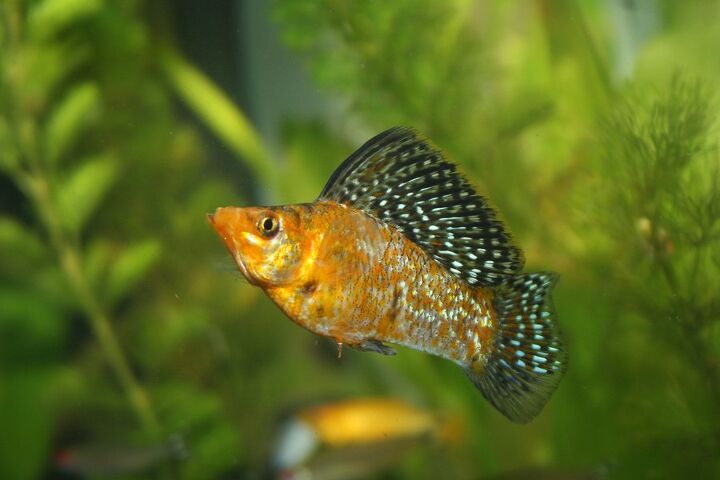
The fish commonly known as the Molly (Poecilia sphenops) or Mollies, is a freshwater fish that is often grouped in the same category as Swordtails and Guppies because it is a livebearer. These fish remain fairly small, growing to an average size around 3 to 4 inches and they are a very peaceful species which makes them a great addition to the community tank.

Mollies are a freshwater fish commonly known as the Molly.

Origins

The Molly can be found inhabiting freshwater streams and brackish environments in Mexico.

Color

In the wild, Mollies are generally a dull silver color with a sprinkling of black spots. In captivity, however, Mollies have been selectively bred to produce a wide range of colors and patterns including gold, orange, red, green, black, and more. There are also some varieties of Molly which have unique fin and tail shapes such as the Sailfin Molly and the Lyretail Molly.

Maintenance and Care
ADVERTISEMENT

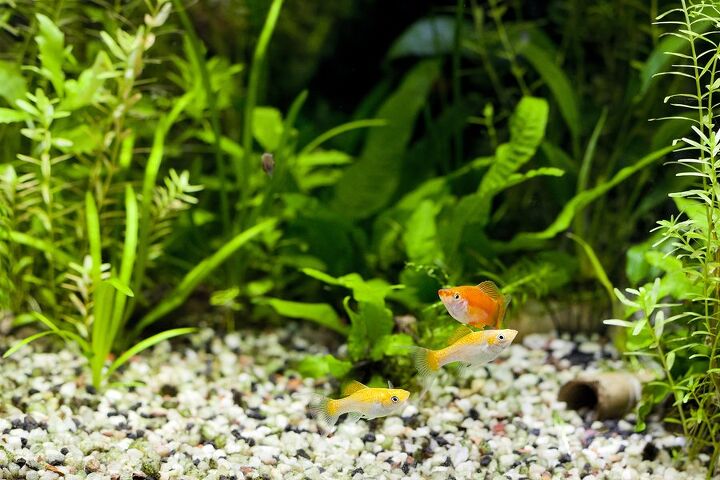
The Molly is a hardy species of fish that adapts well to a variety of different water conditions – it can even survive in brackish conditions. The fact that this species is so adaptable is what makes it very popular as a beginner fish. The ideal conditions for the Molly include warm water with a temperature range between 68°F and 82°F with a pH between 7.0 and 7.8. The water hardness should be between 10 and 25 KH. A tank for Mollies should be decorated with plenty of strong plants as well as rocks, caves, and driftwood for decoration.

The Molly is a hardy species of fish that adapts well to a variety of different water conditions.

Feeding

Mollies are omnivorous fish so they will likely eat anything you offer them. The best diet for Mollies, however, will consist of meaty foods as well as plant matter. Feed your Mollies a combination of high-quality flakes or pellets as well as fresh or frozen foods and algae wafers or fresh vegetables.

Also read:Cost-Cutting Tips and Tricks for Aquarium Enthusiasts

Breeding Info

The Molly is a livebearing species of fish which means that it delivers live young – it does not lay eggs. Not only do Mollies bear live young, but they breed very readily in the home aquarium. Mollies have fast growth rates and large brood numbers so a few Mollies can quickly turn into a large colony.

Aquarium Varieties

The Molly you find in the pet store belong to the same species but they have been selectively bred over hundreds of years to produce different body shapes as well as various tail and fin shapes. Some of the most popular Molly varieties for the home aquarium include the following:

    Photo credit: EuToch/Bigstock; showkontor; Bigstock

    ADVERTISEMENT

    ADVERTISEMENT

    You May Like

    Touch of Coconut Dog Treat Recipe

    We''ve talked about the benefits of coconut oil and wanted to add it to a treat recipe. Viola - the Touch of Coconut Dog Treat Recipe.

    Mexican Red Headed Amazon

    Although endangered in the wild, the Mexican Red Headed Amazon parrot is relatively common as pets and are loved for their funny personality.

    Kickstarter’s PAWD Is The Prettiest Crate You’ll Ever See

    This re-envisioned dog crate for pampered pooches is stylish, functional and cozy, and its sleek design ensures it fits right into any modern home.

    Pixie Bob

    The Pixie Bob is an active, social cat with a bold and playful spirit. They like to be in multi-animal households, and express themselves vocally.

    Brazilian Shorthair

    The Brazilian Shorthair, also known as ""Pelo Curto Brasileiro,"" is the first feline breed to come from Brazil and receive international recognition.

    Dwelf

    The Dwelf is an interesting looking and hairless cat breed that''s named for its elf-like features and dwarf-like stature.

    Blue Headed Parrot

    If you''re living in an apartment and have always been worried about noise levels, the calm and quiet Blue Headed Parrot might be a good choice for you.

    Adoptable Dog Of The Week – Spike

    Let’s head up north to meet Spike, our Adoptable Dog of the Week. Spike is a 1-year-old Shepherd mix from Toronto, Ontario, Canada. He is neutered and…

    Purr-fect Guide to the Sounds Your Cat Makes

    Purr, meow, hiss, yowl - you can understand what your kitty is trying to tell you. Here''s our guide to interpreting the sounds your cat makes.

    Adoptable Dog of the Week-Harley

    Our Adoptable Dog of the Week is Harley, a one year old Basset Hound and Terrier mix with unique facial markings from Baton Rouge, Louisiana.

    6 Big Signs Of Small Dog Syndrome

    Big problems do come in small packages – how to tell if your pooch has small dog syndrome. It’s so easy for a small dog to get her way. Just look…

    Snorf’s Kickstarter Puts The Fun In Functional With Fleece BatHats A

    Listen up! This cool custom winter apparel line keeps your dog’s ears toasty warm. We’ve created creatures of habit, animals conditioned to a cer…

    Best Cat Litter Boxes

    Our comprehensive list features the best cat litter boxes in different styles, materials, and sizes- there is a match for every kitty.

    Chesapeake Bay Retriever

    A great Chesapeake Bay Retriever will be just what you''ve been looking for in a dog. American heritage and breeding keeps this breed simple and domestic.

    How To Keep Senior Dogs Comfortable This Winter

    When the temperature drops, your senior dog feels the cold right down to his bones! Make winter comfortable for your old pooch with these preventive tips.