A disease that’s hard to digest, pancreatitis in dogs requires a total change in lifestyle and careful monitoring.
Over the years our pets have come to hold a special place in our family, and as such, we have become in-tune to their moods, their preferences and to when they are not feeling up to par. In spite of our efforts to ensure they enjoy a healthy, well-rounded diet, special treats can sometimes sneak their way into the dog dish and these oft too frequent indulgences can become problematic. While research is still trying to confirm why some dogs are afflicted while others are not, fatty meals like bacon grease or table scraps can trigger a condition known as pancreatitis. Pancreatitis in dogs occurs when the pancreas – an organ near the stomach that helps digest food and control blood sugar – becomes inflamed. And for dogs who are already overweight, have diabetes or epilepsy, the prognosis can be poor.
Related:7 Common Symptoms Of Diabetes In Dogs
What Causes Pancreatitis in Dogs?
Our pancreas is responsible for producing hormones such as insulin and enzymes that are needed for food digestion. Pancreatitis is caused by an increase in enzyme secretion – typically as the result of a stimulus such as the aforementioned treats or table scraps but also by trauma, drugs or toxins.
When your dog’s digestive enzymes are released too quickly they begin to act on the actual pancreas as opposed to the food they would normally digest. The resulting inflammation can be “acute” (sudden) or “chronic” (recurring) but once the process begins, it cannot correct itself and requires an immediate visit to your vet.
Related:Do I Have A Fat Dog? How To Tell If Your Dog Is Overweight
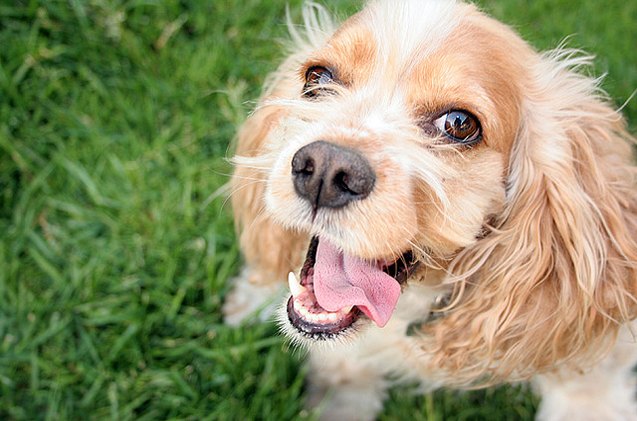
Why some dogs are prone to pancreatitis while others are not is still unknown. Experts have identified breeds such as Miniature Schnauzers, Cocker Spaniels and Terriers as being more susceptible along with older or overweight dogs and those with previous gastrointestinal ailments. However it can also be idiopathic – meaning there is no obvious cause.
Symptoms and Types of Pancreatitis in Dogs
Similar to other stomach and intestinal afflictions, pancreatitis in dogs can present as vomiting, diarrhea, weight loss, fever, dehydration and just an overall lack of energy. Vomiting is the most common symptom but if your pet has exhibited any of these signs for more than 24 hours or if they recur, it’s time to get him checked out.
It is a complex illness and while dogs usually recover from mild cases, in the “acute” form it can be fatal, triggering a buildup of fluid in the chest, abdomen and acute renal failure. The “chronic” or recurring form of pancreatitis can be present even though there are no clinical signs of the disease.
In some instances, damage caused by pancreatitis can result in diabetes that may be temporary or permanent depending on the severity of the damage.
Treatment Options and Prevention
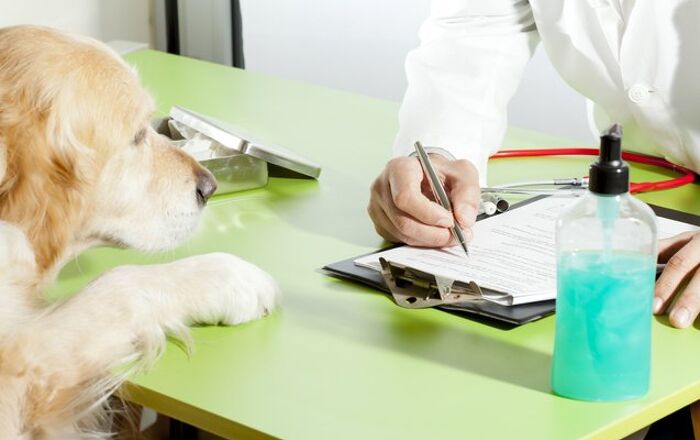
In an ideal world, your vet would be able to make a diagnosis based on symptoms alone. Typically this would require blood tests or an ultrasound and if an actual cause is determined – such as a reaction to a drug or to diet – it may be as simple as taking your pet off the drug or putting him on prescription food.
However there are times when a diagnosis can be inconclusive, meaning there’s no clear treatment. In those instances the focus becomes keeping your pet as comfortable as possible until the attack passes. This might include no food, water, or medications by mouth in order to give the pancreas time to rest and for dog with severe cases, a hospital stay with IV fluids may be required.
Once home, your dog will need to be kept hydrated and may require pain medication as well as drugs to help ease nausea and vomiting.
When your dog starts eating again, it’s time to take a “tough love” approach to his diet. A low-fat, easy to digest format can be recommended by your vet and should be considered a long-term if not life-long approach to ensuring he continues to be a part of your family for many years to come.
You should also consider swapping out treats of food with treats in the form of a favorite activity… and always be sure to secure your kitchen garbage to keep those self-help pets at bay!