Norwegian Buhund Basics
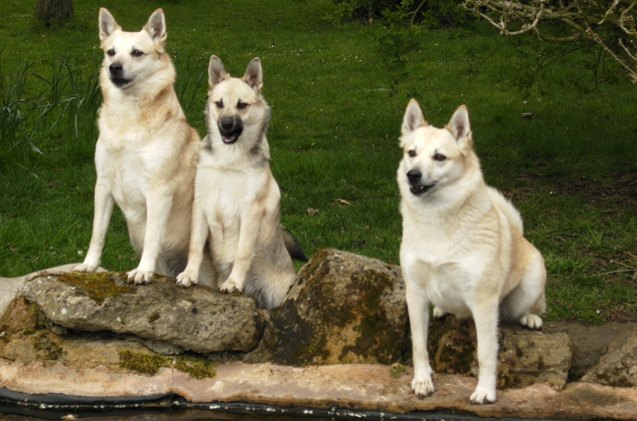
With a heritage steeped in Viking history, the Norwegian Buhund is brave, loyal and fearless. These protective instincts make him a trusted watchdog and companion. His incredible intelligence and intense need to please his family are qualities that are prized by many, including police departments and organizations providing dogs to the disabled. The Buhund loves to work so finding tasks that require energy and mental stimulation are essential to keeping this dog happy.
Although the Norwegian Buhund is athletic and needs a lot of exercise, at the end of the day, he is thrilled to curl up beside his family and relax. A trustworthy dog with children and other animals, the Buhund is a pleasant and genuinely loving addition to any active family.
With a heritage steeped in Viking history, the Norwegian Buhund is brave, loyal and fearless.
Origin
Originating in the coastlands of Norway, the Norwegian Buhund breed can be traced back as far as 900 AD. The Vikings were known to have traveled with the ancient Buhunds and the skeletal remains of those dogs were recovered in a Viking grave. This sturdy dog was bred to hunt wolves and bears, herd sheep and protect homes and farms. Now, they are happy to live in the house and hunt for tennis balls.
Pedigree
Few people knew about the Norwegian Buhund until John Saeland stepped in and began to promote the breed. He also founded the Norsk Buhund Club. Saeland and a man named Toralf Raanaas began a selective breeding program. They used only the finest specimens of the breed to develop the Norwegian Buhund that is recognized today.
Food/Diet
The Buhund should be fed a diet of high-quality, dry kibble. It’s best to use a food that has been formulated for high-energy dogs. The amount of food the dog requires will depend upon his normal activity level. A Buhund that is out herding livestock everyday will require more food than a dog that merely plays in the yard and hikes on the weekends. Your veterinarian can help you decide how much food your Norwegian Buhund needs.
Norwegian Buhunds are highly intelligent dogs that have a strong desire to please their people.
Training
Norwegian Buhunds are highly intelligent dogs that have a strong desire to please their people. They are one of the easiest to train among the Spitz style breeds. They learn quickly provided the owner is consistent, gives plenty of praise and carries yummy rewards. Although he is independent and tough enough to herd and protect sheep on his own, the Buhund is offended by harsh words and responds well to assertiveness and kindness during training sessions.
The Norwegian Buhund does very well in events such as obedience, herding and agility trials. This breed has also been used for service, search and police work. His versatility and intellect make him a great all around dog.
Weight
The average Buhund weighs between 26 and 40 pounds and stands between 16 and 18 inches tall at the withers.
Temperament/Behavior
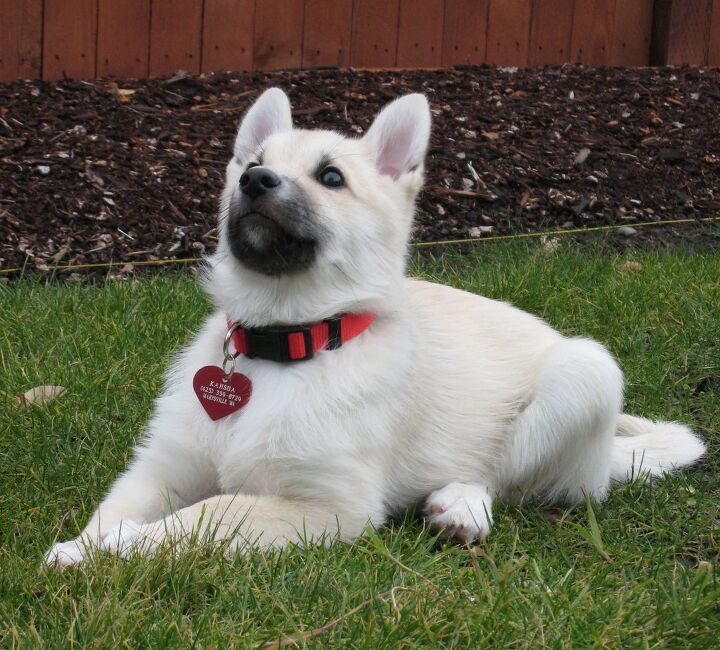
The Norwegian Buhund is a loyal companion for a family. His love for his people makes him a vigilant watchdog. Not a vocal breed, when the Buhund barks and carries on, it is for a very good reason. His natural instincts to protect his herd have resulted in the modern day dog’s intense watchfulness over his family.
Naturally social dogs, Norwegian Buhunds are friendly and accept new people and animals readily. New situations do not upset this breed; in fact, they enjoy going to different places and experiencing a variety of things. Although they are brave and fearless, they are rather gentle with children and other pets. The Norwegian Buhund is a wonderful companion for the active and fun-loving family.
Common Health Problems
Fortunately, the Buhund is a healthy dog. There have been cases of Pulverulent Nuclear Cataracts, epilepsy and skin allergies reported in the breed. On the flipside, the breed has a very high incidence of hip dysplasia. Considering that the Norwegian Buhund is not a large breed of dog, breeders and enthusiasts are alarmed at this quickly increasing problem.
Life Expectancy
On the average, the Buhund lives between 12 and 15 years.
Exercise Requirements
Norwegian Buhunds are highly active and energetic dogs that require a lot of exercise. They aren’t content lounging around all day and thrive when they have jobs to do. Few Buhund enthusiasts have sheep for the dogs to herd so other tasks and forms of exercise are necessary.
This breed enjoys performing on agility courses and does remarkably well there. This type of varied activity is perfect for the Buhund’s well-muscled body. Hiking is another activity enjoyed by the breed. Of course, playing ball and running like crazy with their canine friends at the dog park are favorite pastimes of this athletic guy.
The Norwegian Buhund is a loyal companion for a family.
AKC
The American Kennel Club writes: “This breed makes a wonderful companion for active people or families and will thrive in a home where plenty of exercise is provided. While Norwegian Buhunds make excellent watch dogs, they are also content to lie at your feet at the end of a hard day. Grooming is minimal – brushing will maintain the breed’s medium to short easy care coat. Training wise, the Buhund is considered by many to be the most trainable of the Spitz breeds, but obedience training is still a necessity.” The Norwegian Buhund was recognized by the AKC in 2009.
Coat
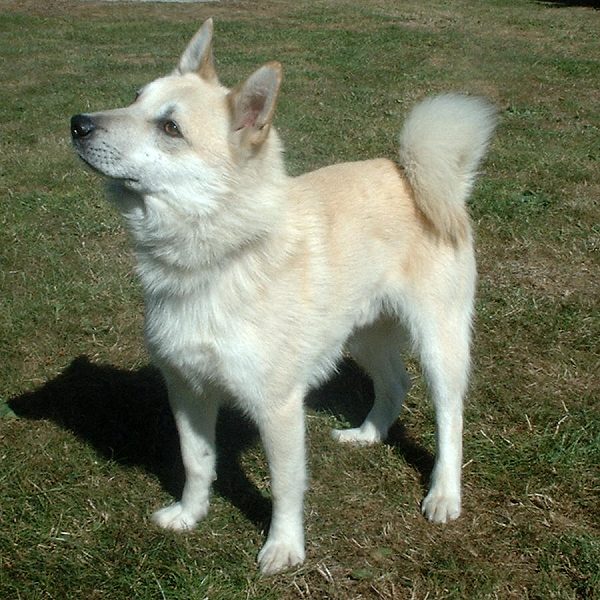
With a weather-resistant coat and dense fur, the Norwegian Buhund is able to withstand nearly any weather conditions, just like his ancient ancestors. The topcoat is rather short and relatively hard. A thick and very soft undercoat cushions the overcoat. Buhunds sport a variety of coat colors including black and wheaten. Wheaten can range from a very pale beige color to a vibrant orange. The dogs may or may not have a black mask; either is acceptable for breed standard.
Buhunds don’t need a lot of grooming. The typical spitz-like coat will require weekly brushing, unless the dog is shedding. Norwegian Buhunds shed tremendous amounts of hair seasonally. During these times, daily brushing would be best as it will help to keep your floors from looking like you haven’t vacuumed in years! Bathing should only be done when the dog becomes dirty or a bit smelly.
Puppies
Norwegian Buhund puppies should be started on obedience training shortly after arriving to their new home. This is the best time to start socializing the puppy as well. Training and socialization will help the pup have a strong affinity for learning and people.