Moorish Idol

Published A Few Days Ago
ADVERTISEMENT
fast facts

About Moorish Idol

Size
Medium
Group
Saltwater
Temperament
Non-aggressive
Aquarium Size
Very large (200 gal)
Swimming Region
All
Fish Water Condition
Suitable Tank Mates
Small Angelfish, Wrasse, Anthias, Basslets, and Chromis
Difficulty Of Care
Weekly care
ADVERTISEMENT

Moorish Idol General description

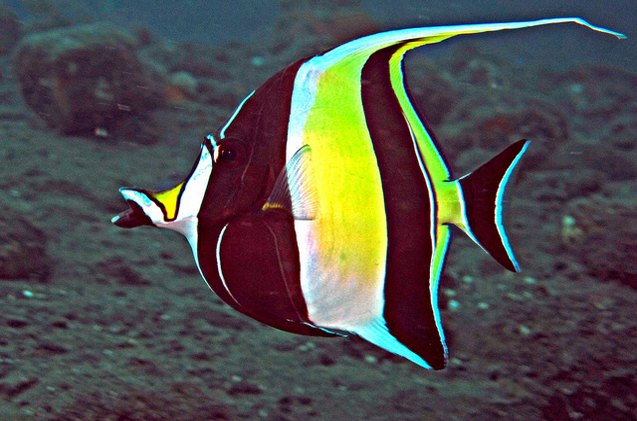
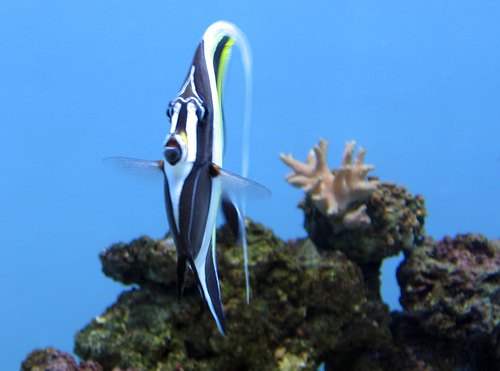
The Moorish idol is a species of marine fish closely related to surgeonfish. They are characterized by their vertically compressed, disk-like bodies and bold colorations. Moorish idols are highly prized for their beauty but are also one of the most difficult species to keep in the aquarium. In fact, without proper care, most specimens do not live for more than a week or two in captivity. They are avoided by most aquarists for this reason and should only be kept by highly experienced hobbyists.

Moorish idols are a species of marine fish closely related to surgeonfish.

Origins

Moorish idols are one of the most widespread species of fish and are found in the Indian Ocean, the Red Sea and the tropical areas of the Pacific Ocean.

Color

The Moorish idol’s body is covered in contrasting bands of black, white and yellow.

Maintenance and care
ADVERTISEMENT

One of the most challenging aspects of raising Moorish idols in the aquarium is their difficult feeding habits. Most adult specimens do not adjust well to life in captivity and can often ignore the foods offered. In fact, it is not uncommon for most wild-caught specimens to die of starvation after being introduced to the aquarium. Live rock with large amounts of coralline algae and sponge growth are often required to stimulate the Moorish idol’s appetite in the home aquarium. However, they are not reef suitable and will often pick at LPS corals and other soft coral polyps. They also prey on sessile invertebrates and small crustaceans.

Moorish idols are a relatively peaceful species and can be housed with most other peaceful species of fish. Although certain aquarists recommend raising Moorish idols as solitary specimens, they are best kept in mated pairs or groups of 4-6. They are however a fairly large and active species and should be provided with adequate tank space, especially when kept in large groups.

When purchasing Moorish idols it is important to look for healthy, active specimens with no visible signs of damage. It is also advisable to observe their feeding habits in the aquarium to ensure that they have adapted to feeding in captivity. Due to the short transport distances, specimens caught in Hawaii and Mexico are often recommended over specimens caught in other areas.

One of the most challenging aspects of raising Moorish idols in the aquarium is their difficult feeding habits.

Feeding

Moorish idols that have adapted to feeding in captivity can be fed on a meaty diet of chopped mysis shrimp, brine shrimp, clam and squid.

Breeding

It is virtually impossible to breed Moorish idols in captivity.

Photo credit: divemecressi/Flickr; judy h/Flickr

ADVERTISEMENT

ADVERTISEMENT

You May Like

Dalmadoodle

Mixing the looks and personality traits of the Dalmatian and the Poodle, the Dalmadoodle is an intelligent, loyal, and wonderful companion.

7 Gifts for People Who Love Dog Training

Are there any dog training or dog sport fanatics on your holiday list? Our resident dog training pro hints at what she''d like to see under her tree.

Quaker Parakeet

The Quaker Parakeet, or Monk parrot, is a cute and affectionate little parrot that will make an excellent family pet or a pet for a senior.

Top 10 Best Ugly Christmas Sweaters for Dogs

Don we now our garish apparel, fa la la la la! Celebrate the season with our Top 10 Best Ugly Christmas Sweaters for Dogs.

American Rabbit

The American Rabbit comes with either a white or blue coat. Most are rather docile with some just barely sipping into the ""lazy"" side of the scale.

Cock A Tzu

The sweet-natured Cock A Tzu is a fun-loving combination of the outgoing Cocker Spaniel and the playful yet stubborn little Shih Tzu.

Khao Manee

Even when hearing impaired (an issue in white cats), the Khao Manee is a playful, active cat that loves attention. An excellent addition to a family.

Corydoras Catfish

Also known as cories or cory catfish, Corydoras catfish are bottom feeders and generally docile fish that do well in a community setting.

Sealyham Terrier

Fun-loving and typically the clown of the family, the Sealyham Terrier is playful and comedic. He is content to be left alone while you''re gone for the day.

Missouri Fox Trotter

The Missouri Fox Trotter is known for its calm and gentle nature. This horse breed is docile and reliable, and it thoroughly enjoys being around people.

Alpine Dachsbracke

The Alpine Dachsbracke has the ability to track game over the roughest terrain, even through the brush, following the trail long after it has gone cold.

Champagne D’Argent Rabbit

The Champagne dArgent rabbit does well with other rabbits and also enjoy human attention. Its silver coat doesn''t come in until it is 6-8 months old.

Torkie

The Torkie a mix between a Yorkshire Terrier and a Toy Fox Terrier. These designer dogs are sassy, smart and sweet- read on to find out more about them!

Senior Cat Care Tips: The Basics

As your kitty gets older, you might notice some changes in behavior, weight, and overall health. Here are some of the simple things you can do to help an older cat feel comfortable, safe, and happy.

Catahoula Leopard Dog

The Catahoula Leopard Dog is driven and has a strong work ethic. Although the Catahoula Leopard Dog loves his family, he can be a dominant and willful dog.