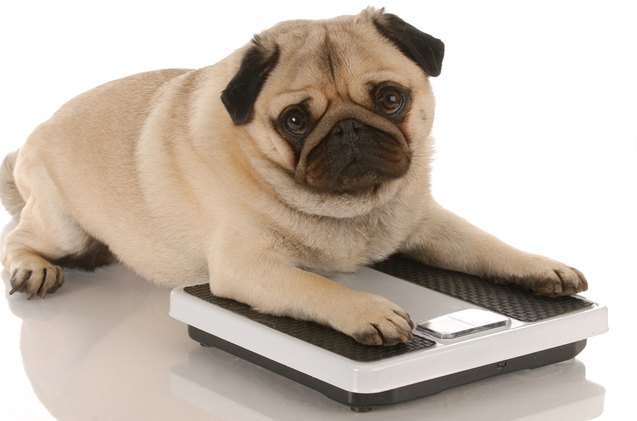
Obesity is a growing problem with pooches – here’s how you can treat this weighty issue for fat dogs
One of the most common ailments afflicting dogs these days is obesity. While you might not think it’s too much of a problem for your pooch to pack on a couple of extra pounds, it can lead to all kinds of serious medical issues, including arthritis, heart disease and diabetes. If your pet is currently a healthy weight, it’s quite simple to prevent obesity, through a good diet and plenty of exercise. However, if your pooch is already obese or overweight, there are a number of treatments and methods to get him back into shape.
What to Watch Out For
You should be able to tell whether your dog is of the right weight, simply by looking at him. You should be able to feel and vaguely see the outline of his ribs, see and feel his waist, and his belly should appear tucked in, when viewed from the side. If you’re unsure whether or not your pooch is overweight, it’s best to consult your veterinarian.
Related:Fitness With Fido
Risk Factors
Although the main culprit for obesity is simply too much food and too little exercise, a number of factors can increase a dog’s propensity to become obese. Certain breeds of dog are more prone to obesity than others, and older dogs are more likely to become obese (due to decreased activity levels). There are also certain underlying medical conditions that can cause weight gain in dogs, including Hypothyroidism and Insulinoma. Therefore, it’s important to book a vet checkup if you think your dog is overweight.
Exercise
It might seem obvious, but one of the primary treatments for obesity in fat dogs is exercise. Of course, the amount of exercise your dog needs will depend on his size, age and breed, so you should ask your vet if you’re unsure. If possible, you should be taking your dog somewhere he can run off the leash, which will greatly help him to shift that excess weight. However, if it’s not possible for him to run in a safe area on his walks, you should make sure he gets to run in your yard or schedule daily walks. You can play rigorous games of fetch with him for 10 minutes, a few of times every day. The problem comes if your dog is extremely obese, in which case, too much exercise could hurt or injure his joints, because of the extra pounds he has to carry around. Talk to your vet, who should be able to work out a safe exercise plan for your pup. In many cases, hydrotherapy (swimming or exercising in water) is recommended, as it’s a form of non-weight-bearing exercise.
Related:Indoor Fitness Tips For Winter
Diet
A calorie controlled diet is the other common treatment for obesity. You’ll have to learn to ignore those puppy dog eyes, because snacks and treats will be off the table. While you’ll want to reduce the amount of calories that your dog’s consuming, it’s not wise to drastically reduce the size of his meals, because he’ll end up not getting enough of the right nutrients. Instead, you should see your veterinarian or canine nutrition consultant for a personalized diet plan. A professional should be able to recommend a low-calorie dog food, so that your four-legged friend is still getting all the nourishment he needs, but with less calories and fat.
A Last Resort
If simply increasing exercise and decreasing calories isn’t working to get your dog in shape, there are drugs available that might help. For instance, some fat dogs are prescribed Dirlotapide, which suppresses the appetite and inhibits the absorption of fat. It’s best to try it the old fashioned way first, so drugs should be a last resort and only given under strict veterinary supervision.
Lauren Corona is a freelance writer from merry old England. She specializes in writing about dogs and other critters. Lauren lives near Oxford, with her gorgeous Doberman, Nola. When she’s not tapping away at the keyboard, you’ll find her walking in the woods with Nola-dog, raising money for the Oxfordshire Animal Sanctuary, cooking vegan food, making zines and writing about herself in the third person.