Did you know that most dogs will suffer from gum disease during their life? Here’s how you can help stop gingivitis in dogs.
You may not see any physical signs of it, but if your dog is over the age of three, there is a good chance that he has some level of gum disease. Gum disease is incredibly common in cats and dogs and, unfortunately, many pet owners do not realize the risk. Gingivitis is the early stage of periodontal disease and it is completely preventable – all you have to do is brush or clean your dog’s teeth.
What is Gingivitis in Dogs?
Gingivitis is actually a stage of a more serious dental condition, periodontal disease. It is the first stage and it typically involves inflammation of the gums resulting from plaque and tartar buildup. Periodontal disease, or gum disease, is a serious condition that begins with inflammation in the gums as a result of plaque and tartar on the teeth. As it progresses and the tartar moves under the gum line, more serious problems can occur such as tissue loss, bone damage, and tooth loss. In serious cases, the bacteria from the plaque and tartar can actually enter the dog’s bloodstream and cause dangerous problems with the heart, kidneys, and liver.
Related:4 Smile-Worthy Common Doggy Dental Myths
Fortunately, since gingivitis is the first stage of periodontal disease, it is completely reversible. Most dogs exhibit some degree of gum disease within the first two or three years of life. If you don’t treat it at this low level, gingivitis can progress to serious periodontal disease and your dog may lose some of his teeth. Toy breeds have a higher risk for developing gingivitis before the age of three and, in general, dogs have a higher risk for it than cats do. Still, dental care is important for both cats and dogs.
Diagnosis and Treatment Options
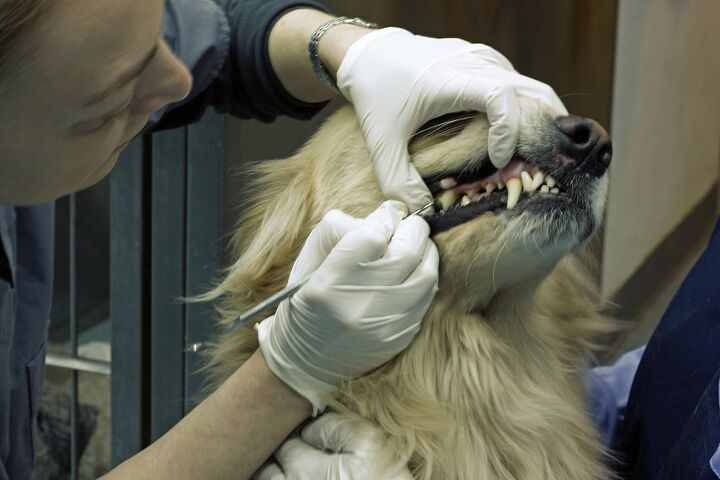
In the early stages of gum disease, your dog probably won’t be in any pain so it is less likely that you will notice any symptoms. If you do notice symptoms it will probably be related to bad breath (halitosis) or swelling of the gums. Though plaque buildup is caused by bacteria, there are a number of underlying issues which can contribute to gum disease in dogs. These include crowded teeth, soft food, poor chewing habits, old age, poor dental hygiene, uremia, diabetes, and autoimmune disease. In order to diagnose your gingivitis in dogs, your vet will perform a complete exam including an oral exam – he may also take x-rays to determine the extent of the damage.
Related:Pros and Cons of Pet Dental Care Products
If your dog is diagnosed with gingivitis there are a few things your vet may recommend. For one thing, your dog will need a thorough dental exam under anesthetics to remove plaque and tartar below the gum line and to check for signs of greater damage. After the exam, your dog’s teeth will be polished and cleaned. If your dog shows signs of overcrowding, the vet may remove some of his teeth to prevent problems later down the line. The vet will also teach you how to brush your dog’s teeth so you can keep them clean and free from gingivitis in the future.
Prevention and Management
As common as gingivitis is in dogs, it is also highly treatable. Brushing your dog’s teeth once a day – twice a week at minimum – is generally enough to keep gingivitis at bay. To brush your dog’s teeth you can use a special toothbrush designed for dogs or a special pad you wear over your finger that you can rub over your dog’s teeth. Certain commercial diets and treats may help to scrub your dog’s gums clean to help further prevent problems with gingivitis. These remedies should not be viewed as a substitute for regular brushing, however.
Take all aspects of your pooch’s health and wellness seriously, including his dental health. Bite gingivitis in dogs before it takes a bite out of his smile.
Kate Barrington is the loving owner of two cats (Bagel and Munchkin) and a noisy herd of guinea pigs. Having grown up with golden retrievers, Kate has a great deal of experience with dogs but labels herself a lover of all pets. Having received a Bachelor’s degree in English, Kate has combined her love for pets and her passion for writing to create her own freelance writing business, specializing in the pet niche.