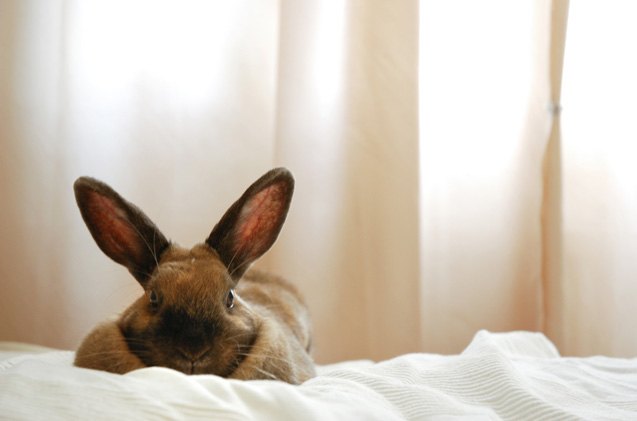
Thuringer Rabbit Breed History/Origin
The Thuringer Rabbit was first recognized in the early 1900s. This German rabbit breed is still popular throughout Europe, but can be more difficult to find in North America, and it isn’t recognized as a breed by the American Rabbit Breeders Association (ARBA).
This breed was named after the town where David Gärtner developed it. It is believed that the Thuringer Rabbit was created by crossbreeding the Himalayan Rabbit, the Silver Rabbit, and the Flemish Giant Rabbit.
Only a few Thuringers survived World War II, so it took years to revive the breed in Europe. Since their development, Thuringer Rabbits have been used for their fur, as well as their meat.
The coat of the Thuringer Rabbit is dense, soft, and silky.
Overall Description
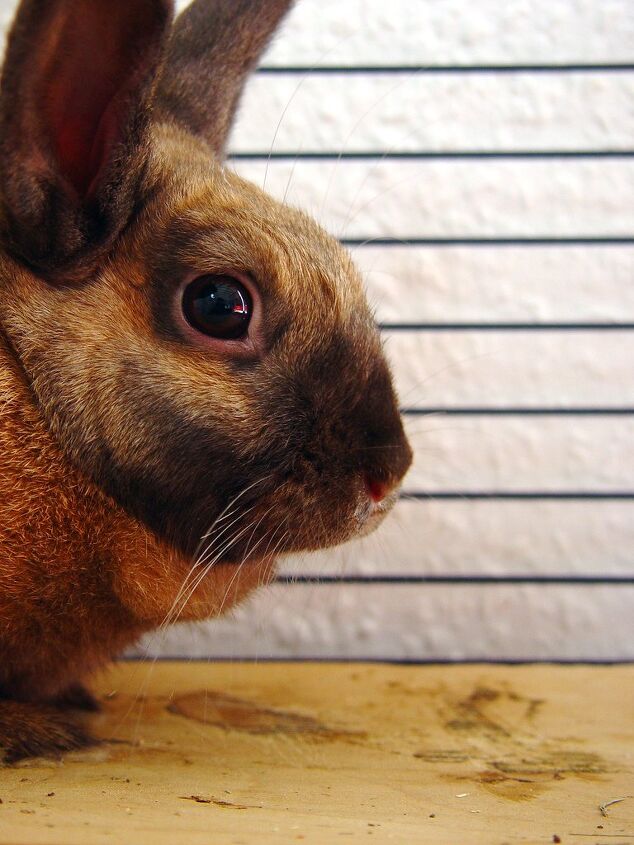
This is a medium to large sized rabbit breed that is stocky and well-rounded. You will barely notice this rabbit’s neck, but you will note the well-developed head that is set close to the body. The muzzle will be broad as well.
The rabbit’s long and strong ears will be held upright, and they will be covered well in fur. The ears are usually about 4-5” long. Also, the legs are sturdy, and you might even notice a small dewlap.
Coat
The luxurious medium length coat of the Thuringer Rabbit is dense, soft, and silky.
Colors
The Thuringer Rabbit is a uniquely beautiful breed that features a coat that is buff to deep yellow ochre with blue-black ticking.
The fur on the belly of this rabbit will be a charcoal color, and that color will extend along the bottom half of the rump and flanks, as well as the legs and tail. You will also notice the shaded charcoal color on the rabbit’s face, especially on the ears, cheeks, and muzzle.
The eyes of the Thuringer Rabbit will be dark brown or chestnut in color.
The social Thuringer Rabbit will seek out your attention.
Care Requirements
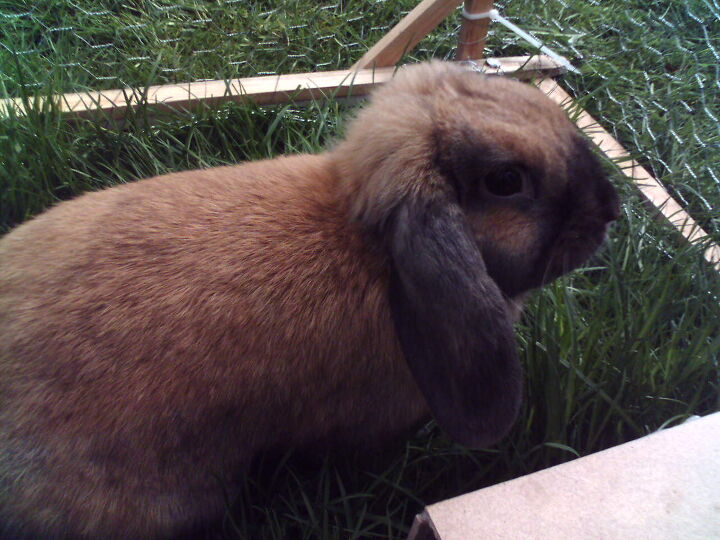
These rabbits prefer a calm environment, and they should be given a cage that is large enough for them to move around comfortably, stand, and stretch. It is best to keep them indoors for the most part, as that will protect these animals from predators and extreme temperatures that could make them sick. If you are planning on letting your pet explore the great outdoors for some sunshine and fresh air, it is best to supervise him while using an exercise pen, lawn enclosure, or extension hutch.
Always provide your rabbit with a source of clean, fresh water. In terms of diet, you can provide hay, pellets designed specifically for rabbits, and a variety of fresh vegetables. Grass hays like orchard, oat, and timothy can also be given to your pet for some variety. Alfalfa, however, will be high in calories and should only be given as an occasional treat. And when it comes to fresh foods, you can cut up dark, leafy greens and a variety of vegetables. Just be sure to keep starchy vegetables and fruits to a minimum in the form of treats as well.
Health
Like other rabbit breeds, your Thuringer Rabbit’s immune system could be compromised by exposure to stress, drafts, and extreme temperatures. Give your pet a safe and clean environment, and handle him with care.
In general, rabbits could be vulnerable to ailments like ear mites and conjunctivitis, as well as parasitic infections and intestinal problems. Pet rabbits may also develop hairball obstructions and bloat, so keep an eye out for symptoms.
Thuringer Rabbits could even develop dental problems, so check your pet’s teeth regularly to look for any signs that there are spurs or overgrown molars. Feeding your pet fibrous veggies will help maintain the health of his teeth, and giving him a chance to gnaw will also prevent problems, so purchase some gnawing toys designed for rabbits and place them in your pet’s cage.
Non-breeding females can be spayed so you can help prevent the development of uterine cancer, which is also common in rabbits. And you can talk to your vet about vaccinating your pet against Myxomatosis and Viral Hemorrhagic Disease (VHD).
The Thuringer Rabbit features a coat that is buff to deep yellow ochre with blue-black ticking.
Temperament/Behavior
The Thuringer Rabbit is a great breed for those looking for a fun, docile, calm, and friendly family pet. Your social Thuringer Rabbit will seek out your attention, and you can expect that your pet will be playful and kind, so be sure to give your rabbit the attention and affection that he craves.
These lively and cheeky animals also enjoy running around and being with other rabbits. Letting your pet outside of his cage often will allow him to check out your house or explore a safe outdoor enclosure, and he may even make you laugh as he climbs on your furniture. Your rabbit will also enjoy being petted and will even do well in shows, as he will be placid and pleasant.
Photo credit: Sameli Kujala/Flickr; Chefchen/Wikimedia