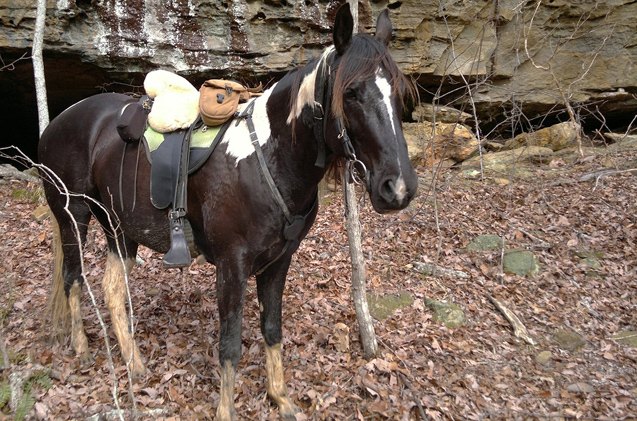
Tennessee Walking Horse Breed History
The Tennessee Walking Horse is an equine breed from the southeastern portion of the United States. It was created when the wealthy plantation owners of the south were in need of hardy horses that would also be comfortable with riding over long distances during daily work tasks.
Black Allan was a descendant of Hamboltonian, a famous Standardbred. He was born in Lexington, Kentucky in 1886 and was sold to horse owners in Tennessee after he failed to show enough interest in harness racing. It was there that he sired several of the foundation horses for the Tennessee Walking Horse breed.
Tennessee Walking Horses are ideal for all levels of riders.
A blend of Narragansett Pacer, Canadian Pacer, American Saddlebred, Standardbred, Thoroughbred, and Morgan, the Tennessee Walking Horse exhibits all of the best features of the breeds that have contributed to it. For example, it has the good nature of the Morgan, the athleticism and speed of the Thoroughbred, the substance and movement of the Standardbred, and the conformation of the Saddlebred.
The Tennessee Walking Horse Breeders Association was created in 1935, and Black Allan was the foundation sire for the breed. Later, in 1947, the association’s name was changed to the Tennessee Walking Horse Breeders’ and Exhibitors’ Association, which would also be referred to as TWHBEA.
Breed Traits
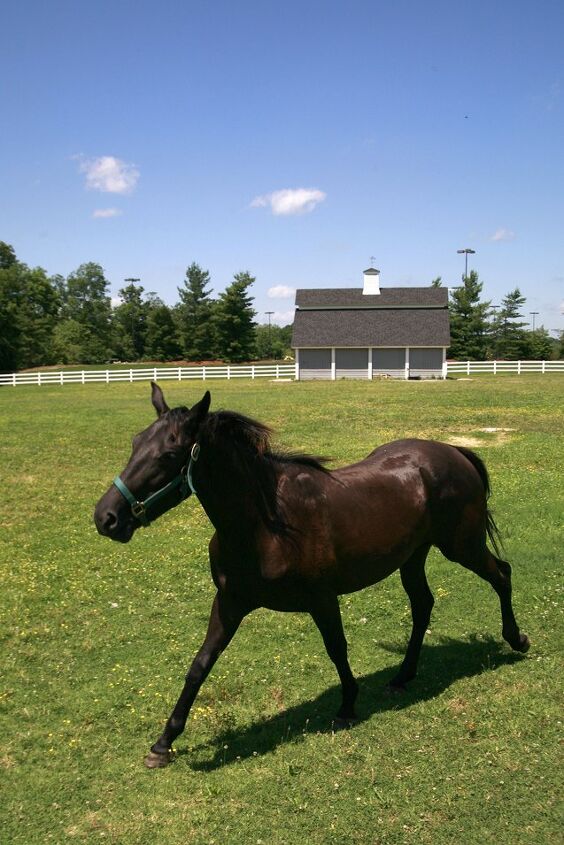
Tennessee Walking Horses are ideal for all levels of riders, and they make wonderful family horses, thanks to their calm, friendly, social, and docile temperament.
These animals also make great companions because they simply enjoy being around people, so they are a good option for beginner riders and owners. And because they are willing to listen and learn, they are easy to train and enjoyable to work with even if you are a beginner horse trainer.
Overall, these horses are dependable and talented animals, and they don’t mind taking their owners on long and relaxing rides.
Overall Description
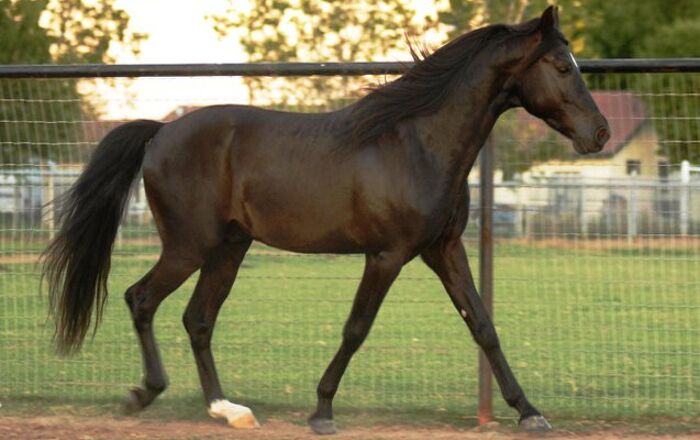
The Tennessee Walking Horse is a light breed that is known for its upright build and straight profile, which makes the animal appear quite noble. It is also known for having a well shaped and long head with small ears, as well as sloping hips and sloping, graceful shoulders.
The body of this horse should be wide and muscular, the back should be short, and the underbelly should be quite long. Because the top line is shorter than the bottom line, this horse easily achieves long strides while walking and running.
This breed quickly became popular because it has characteristic gaits that make these horses comfortable to ride over extended periods of time and over long distances. The distinctive gaits of the Tennessee Walking Horse include the slow gait, the running walk, and the Walking Horse Canter.
These horses also have an efficient speed, making them ideal for trail riding and pleasure riding. They are even an ideal choice for any rider who has physical limitations because the ride will always be very smooth.
Tennessee Walking Horses are known for their calm, friendly, social, and docile temperament.
Colors
The Tennessee Walking Horse comes in a wide range of colors and patterns. In fact, all of the solid equine colors are acceptable for this breed, and you can also find it featuring pintos and roans.
Common colors include buckskin, dun, black, chestnut, white, gray, bay, palomino, cremello, perlino, champagne, roan, brown, sorrel, and grullo.
The Tennessee Walking Horse have an efficient speed, making them ideal for trail riding and pleasure riding.
Grooming Requirements
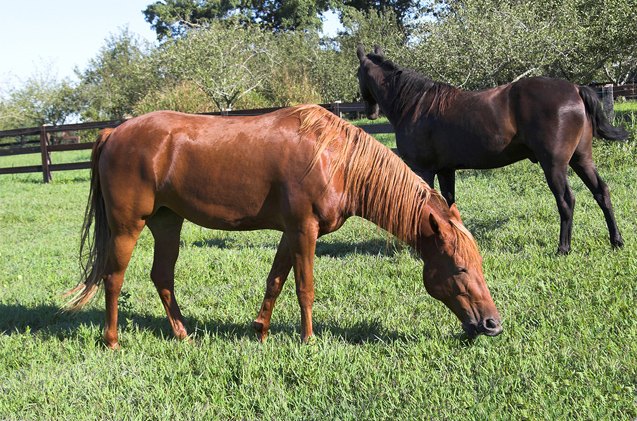
To keep your Tennessee Walking Horse looking beautiful and healthy, a regular grooming routine using the proper equine tools will be necessary.
Use a curry comb in circular motions all over your horse’s body in order to effectively get rid of any dust, mud, and debris that have collected on the coat. This will allow the coat to be smooth and shiny. Then use a mane comb to brush out the mane, a tail brush to keep the tail smooth, and a body brush to remove anything that the curry comb missed. Finally, you can use a finishing brush all over the horse’s body to bring out even more shine.
Cleaning the horse’s face is important, and you can do so by using a soft cloth or a sponge that has been dampened with some water. This will make it easy to wipe the horse’s muzzle and eyes while cleaning the face gently.
During each grooming session, you should also make it a point to check your horse’s hooves thoroughly for any injuries or infections that need to be treated promptly. To keep the hooves healthy and clean, you can easily use a hoof pick to remove dirt and debris, such as rocks, that collected within the hooves during rides.
Photo credit: Ifistand/Bigstock; pubnichols/Bigstock; Trigem/Bigstock