Tigerfish

Published A Few Days Ago
ADVERTISEMENT
fast facts

About Tigerfish

Aquarium Size
Large
Difficulty Of Care
Weekly
Size
Large, Extra-Large
Group
Freshwater
Suitable Tank Mates
Other Fish of Similar Size; May Sometimes Be Kept in Groups with Own Species
Swimming Region
Mid-Range
Temperament
Semi-Aggressive
Fish Water Condition
Very Warm, Neutral pH, Soft to Slightly Hard Water
ADVERTISEMENT

General Description

The name Tigerfish is often given to freshwater fish belonging to the genus Datnioides, also known as Datnoids. These fish are also known as freshwater tripletails and there are five different species. Tigerfish are predatory fish that feed on smaller fish so they are not recommended for the community tank. These fish are semi-aggressive by nature but they can sometimes be kept with other fish of similar size – keeping them in groups with five of their own species may also reduce predation.

The name Tigerfish is often given to freshwater fish belonging to the genus Datnioides, also known as Datnoids.

Origins

The Tigerfish is native to various parts of Asia and New Guinea where they can be found in both fresh and brackish waters.

Color

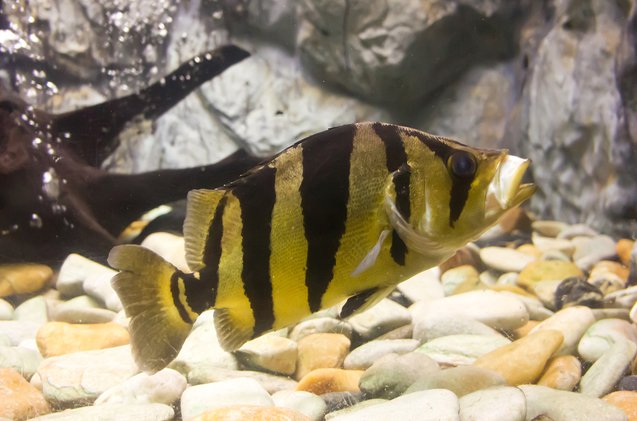
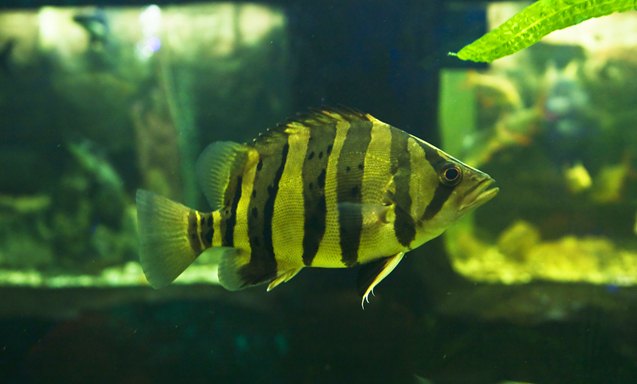
The Tigerfish is named for the vertical stripes that run all along its body. Most Tigerfish have a silver or gold base color with thick, dark bars – some even exhibit reddish coloration along the back.

Maintenance and Care
ADVERTISEMENT

Not only are Tigerfish fairly aggressive, but they also grow large – up to 24 inches for some species. This being the case, they need to be kept in a very large tank at least 100 gallons or more. These fish prefer very warm water in the neutral pH range with a low to moderate hardness. The ideal temperature range is 72°F to 79°F with a pH between 6.5 and 7.5 and a water hardness level between 5 and 20 dGH. The Tigerfish tank should be decorated with plenty of hardy vegetation and driftwood as well as rockwork for hiding places.

The Tigerfish is named for the vertical stripes that run all along its body.

Feeding

The Tigerfish is a carnivorous species that feeds primarily on other fish. In the home aquarium, you should offer your Tigerfish commercial foods designed for carnivorous fish as well as a variety of fresh and frozen foods like earthworms, small shrimp, small crabs, and small fish.

Also read:6 Popular Aquarium Fish You Need To Avoid

Breeding Info

There are no records of Tigerfish having been successfully bred in the home aquarium.

Aquarium Varieties

There are five different species of Tigerfish that have been recognized including the following:

    Photo credit: winnieapple/Bigstock; Iva Afonskaya/Bigstock

    ADVERTISEMENT

    ADVERTISEMENT

    You May Like

    Why Do Cats Like Boxes?

    Why do cats like boxes? We''re about to let the cat out of the box! Here are a few reasons why cats love to hide out in these fortresses of solitude.

    Three Cheers For Chateau La Paws Wine!

    Newly re-launched wine brand pairs dog lovers with a vintage that helps rescue shelters and dogs in need Whether you’re toasting to your pooch’s…

    Adventures In Dog Sitting: Mickey Makeover! (Part 3)

    Enough is enough! Mickey is stinking up the place and I need to give him a grooming he’ll never forget. The pups tell their side of the squeaky clean e…

    Double Take Alert – Cuddle Clones Are An Exact Replica Of Your Pet

    Founded by Jennifer Graham, Cuddle Clones'' vision is simple - to capture the emotional connection between people and pets through customized stuffed animals

    Mango Madness Frozen Dog Treat Recipe

    Oh my - so many mangoes! Blend a few of these summer staples together for a homemade frozen dog treat that will leave your pup panting.

    Bo Shih

    The perky little Bo Shih brings together the feisty spirit of the Shih Tzu and the often-stubborn personality of the Boston Terrier.

    Upside Down Dog Of The Week – Sugar

    Meet Sugar, our Upside Down Dog of the Week from Upsidedowndogs.com. Sugar is a 2-year-old female Staffordshire Bull Terrier from California. Here’s wh…

    Bringing A Dog Home From the Shelter – What To Expect The First Day

    There are a few things you can do when bringing a dog home from the shelter that will make the first few days in your dogs new home happy and calming.

    The Quest For Dog: One Writer’s Search For The Perfect Dog Begins

    Bringing a dog into your home shouldn’t be a spur-of-the-moment decision. It takes research, dedication and lots of planning to make sure you and your…

    Shelter Spotlight: Adopt-A-Bull Rescue, Inc.

    Adorabully cute and noble, Adopt-A-Bull Rescue helps Bulldogs in need We’re so pleased to present a new feature here on PetGuide.com – our Shelte…

    MyBullySticks: All Treat, No-Stink Bully Sticks For Your Best Friend

    %%excerpt%% [...]

    Glechon

    The Glechon is a cross between a purebred Beagle and Bichon Frise. These dogs are known for being easygoing, friendly, playful, affectionate, and smart.

    Kerry Beagle

    The Kerry Beagle was built for speed and endurance. Originating from Ireland, this breed isn''t related to the Beagle we''re familiar with in North America.

    Gotland Rabbit

    The Gotland Rabbit is inquisitive and energetic. A rare breed from Sweden, this rabbit will benefit from time spent exercising and interacting with you.

    Wirehaired Vizsla

    The Wirehaired Vizsla is known for its energy, stamina, and its reddish coloration, and was developed in Hungary for its pointing and retrieving skills.