American Bullnese Basics
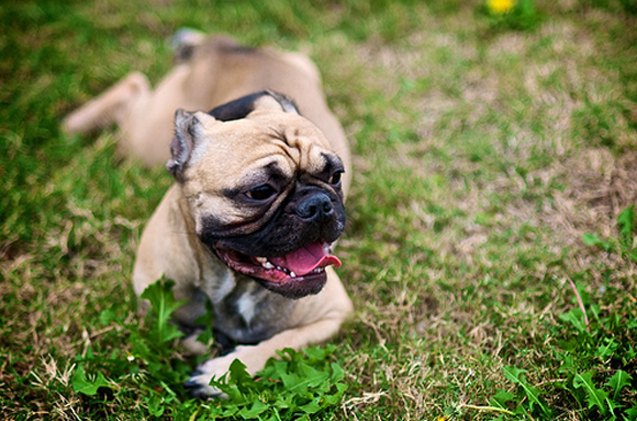
The American Bullnese is a combination of five different breeds, including the French Bulldog and the Pekingese. They are short, stocky little clowns who love snuggling. Their short stature and short nose makes them laid back and keeps their exercise requirements low. They do well living with the elderly and in apartments.
American Bullnese, or Bullnese for short, are cheery elves whose goofy little faces are sure to win over the hearts of anyone. They are a breed created for their sweet temperaments and small size.
The American Bullnese is a combination of five different breeds, including the French Bulldog and the Pekingese.
Origin
The Bullnese originated in 1989, and were developed by a man named Robert E. Rice from Jacksonville, Florida. His selective breeding created this lovable breed that has won over the hearts of many. He decided to create a fun-loving mix that would get along with just about anyone. It took time and patience to create the breed – but in the end we are gifted with the Bullnese.
Pedigree
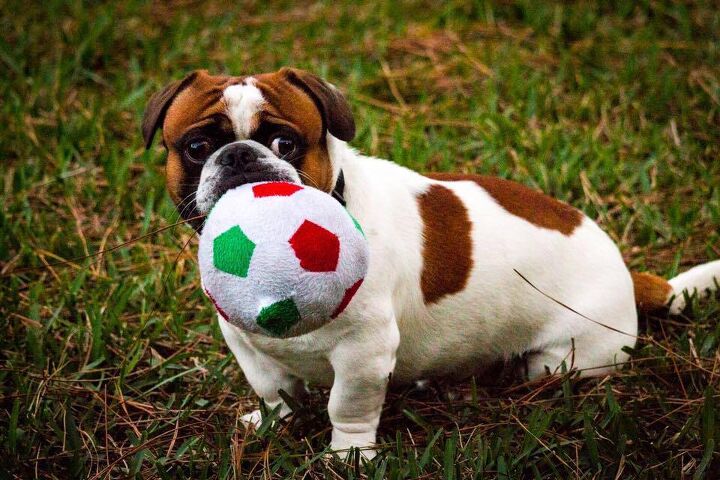
A combination of five different breeds, two of which are the French Bulldog and the Pekingese, the American Bullnese was created to combine a unique dog that boasts desired traits and features needed in a beloved companion. There is also a hybrid Bullnese created from mixing a French Bulldog and a Pekingese. Difference sources tend to argue about what breeds are in the mix, but the two breeds that remain consistent are the French Bulldog and the Pekingese. The American Bullnese Association does mention that the American Bulldog is not a part of the mix, as the Bullnese is much smaller in stature.
Food/Diet
Since the Bullnese doesn’t have high energy, the food requirements aren’t strict. It is always good to have a quality food, and grain free foods are great to keep these little guys from gaining too much weight. Since there can be stress on their joints from their long barrel-like bodies, it isn’t a bad idea to include a joint supplement of glucosamine and chondroitin. Luckily, the breed isn’t prone to food allergies, so as long as it’s a quality food with small amounts of filler, they should be just fine.
Bullnese may be laid back, but they still benefit from training.
Training
Bullnese may be laid back, but they still benefit from training. While they won’t be hopping over agility fences due to their short, stocky build, they do enjoy having a job. It’s important to make them work for things and not to just give them free reign of the household. Training is best done at an early age to set a precedent. A well-trained Bullnese makes for a great companion for people of all ages.
Weight
Female American Bullnese weigh between 15 to 25lbs, and males from 18 to 30lbs. Because the breed is a mix, these are just averages – they can weigh more or less depending on lineage.
Temperament/Behavior
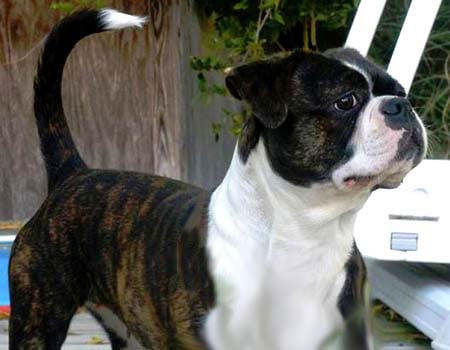
The Bullnese is bred specifically for its temperament. They are sweet, loving dogs who would prefer a Netflix binge to a hike in the park. They don’t have a history of troubling behaviors; there are typically no fear or aggression tendencies in the Bullnese.
Common Health Problems
With any mixed breed, the American Bullnese can develop health problems due to any of the breeds in the mix. With careful selection and breeding, most of these issues are bred out over time. The most common issues for this breed are umbilical hernias, invertebral disk disease, cornea ulceration and problems associated with the brachycephalic (flat-faced) breeds. Meaning, they can develop breathing problems without proper care. It is important for them to stay in cool temperatures and not become over-exerted.
Life Expectancy
The life expectancy of the American Bullnese is between 10 and 15 years.
Exercise Requirements
Bullnese are typically low energy and don’t require much exercise, despite their muscular appearance. They aren’t for the marathon runner; they are better suited for someone looking to stroll around the block a few times a day. A few short walks or playtime makes for one tired Bullnese. Due to their short faces and legs, they don’t do well swimming or with extreme temperatures. Overall, the Bullnese is generally a mild dog.
The Bullnese is bred specifically for its temperament.
Recognized Clubs
Because it is considered a hybrid or designer dog, the American Bullnese is not recognized by the AKC. However, the breed is registered with the Dog Registry of America (DRA) and the American Bullnese Association (ABA).
Coat
The coat of the American Bullnese can be any color, but it must be short and dense. The breed standard does not permit long hair. They don’t need to see a groomer and regular baths will keep them smelling fresh. The only additional grooming requirement is keeping the wrinkles clean by using either pet wipes or a washcloth with pet shampoo.
Puppies
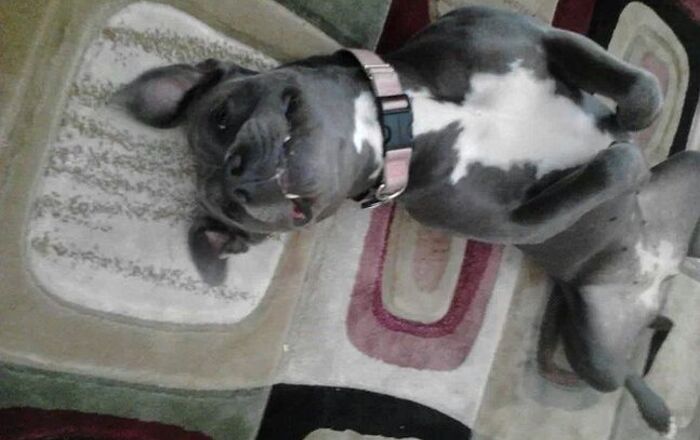
Bullnese puppies tend to vary, but it can be promised that they are all cute. The Bullnese can come in any color and make a welcome addition to any dog-loving household. But do not make the mistake of confusing them with pugs, because Bullnese owners tend to get offended!
Photo credit: BobbysBullnese