Is kibble enough for your kitty? Why your cat needs more in her dinner bowl.
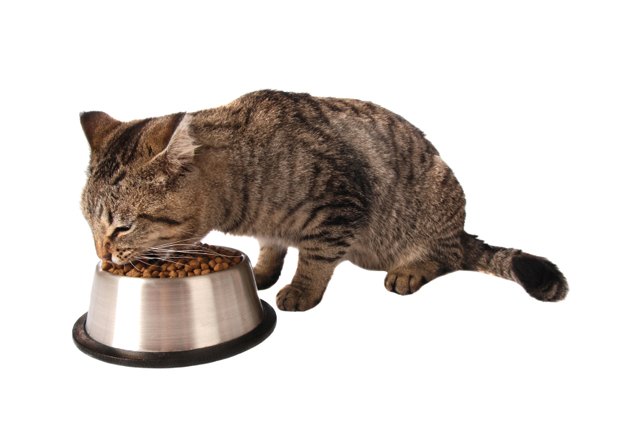
Even though putting out a bowl of dry food for your cat is super convenient, it could actually do more harm than good when it comes to your cat’s health. Below are a few things you should consider before choosing to feed your cat an exclusively dry food diet.
Cats Need Moisture
Your kitty’s ancestors came from the desert, so they evolved to survive long periods of dry weather without rain. In order to go without water, the feline body adapted to acquire all of its necessary moisture from the raw flesh of its prey. Cats didn’t evolve to stop and drink water throughout the day like other animals do. Therefore, getting adequate amounts of moisture from food is an important part of maintaining your cat’s health. Without enough moisture, myriad health problems, from diabetes to kidney issues and urinary tract problems, can develop over time.
Related:How To Read A Cat Food Label
Read the label on your typical bag of dry cat food and what you’ll probably notice is that the moisture content is around 10%. A can or pouch of wet food, on the other hand, usually contains up to around 80% moisture. If your cat is eating a diet filled with wet food only, you’ll probably notice that he has to drink less water, which is completely natural. In fact, cats will only drink from their water bowl when they feel they’re getting close to being dehydrated. But many felines who consume dry food, particularly those who eat it exclusively, will drink a lot of water throughout the day in order to compensate for the lack of moisture in the food.
Kibble Makes Your Kitty Prone to Obesity
On top of being nearly devoid of moisture, kibble may also increase your cat’s risk of becoming overweight or even obese. And more serious conditions, such as diabetes and arthritis, can occur as a result of your cat being unable to maintain a healthy weight.
Related:How Much Should I Feed My Cat?
The reason that dry food is so fattening is because your cat needs to eat more of it in order to feel full. Wet food, which is filled with moisture, is more filling, so your cat can eat less and consume fewer calories. But your cat needs to eat more dry food at one sitting before feeling satisfied, thereby consuming more calories as a result.
On top of that, cats are creatures that will eat out of boredom. Therefore, leaving a bowl of food out for your cat to feast upon day and night will inevitably result in him eating even when he doesn’t really have to. This will lead to weight gain, especially if he’s an inactive cat.
Finally, dry food usually contains high amounts of carbohydrates and grains. While humans get their energy from carbohydrates, cats rely on fat for energy. Their bodies aren’t really built for breaking down carbs for energy, and elevated blood sugar levels that result from eating carbs can lead to diabetes and weight gain.
Stick to Feeding High Quality, Species-Appropriate Wet Food
Although it’s fine to feed your cat some dry food every now and then as a treat or during periods when you won’t be home for a while, it’s best to stick with a moisture-rich species-appropriate diet as the main part of your kitty’s nutrition plan. More and more premium cat food brands are always hitting the market as pet parents become more educated and concerned about their animals’ wellbeing, so you have plenty of options to choose from.
When reading pet food labels, you need to look for whole food ingredients while avoiding meat by-products. The addition of fruits and vegetables, which contain high amounts of antioxidants, vitamins, and minerals, is also great. But you should steer clear of foods that contain grains, such as wheat, corn, and soy, that are difficult for felines to digest and nutritionally inappropriate. This will ensure your cat will remain at a healthy weight and will have enough moisture to maintain the proper urinary pH while preventing dehydration.