Finnish Hound Basics
The Finnish Hound is one of Finland’s five national breeds and, for quite some time, it was the most popular of the five. Unfortunately, the rising trend toward urbanization has rendered more family-oriented breeds like retrievers more popular. Still, the Finnish Hound is an excellent hunting breed known for their skills in tracking down fox and hare. If you are looking for a show dog or a pet, the Finnish Hound is not recommended but these dogs are a great choice if you are looking for a talented hunting breed with a strong work ethic.
The Finnish Hound is one of Finland’s five national breeds.
Origin
The Finnish Hound is one of Finland’s most popular native breed, especially when it comes to hunting, but it is still relatively unknown outside of the area. This breed is the result of a concentrated breeding effort that began during the 1800s using various breeds of French, German, and Swedish hounds. The goal of the breeding program was to develop a dog that could excel in the rough, hilly terrain in Finland, especially during the snowy winter months. This breed is very popular for hunting, particularly between September and February, but he is rarely shown and is generally not kept as a family pet.
Pedigree
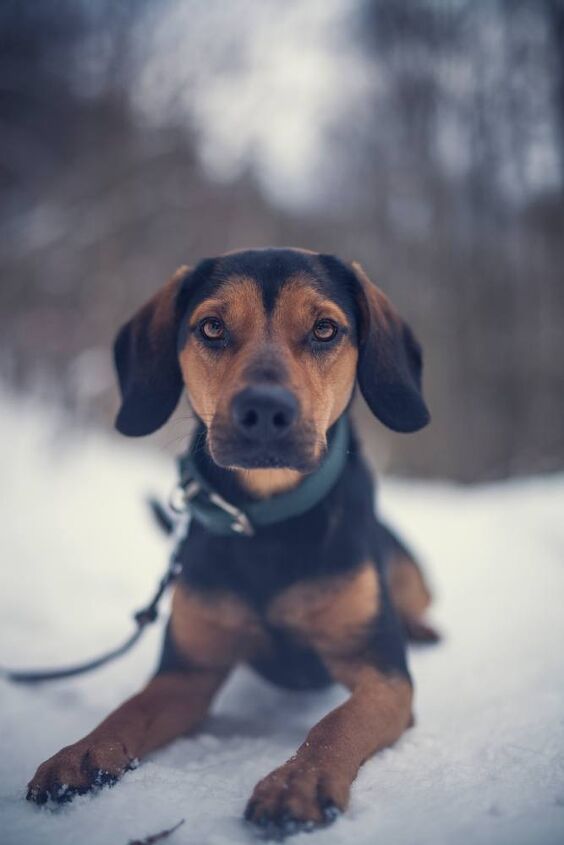
The Finnish Hound is descendant from various French, Swedish, and German hounds as part of a breeding program that began during the 1800s.
Food/Diet
As a medium-sized dog breed, the Finnish Hound should be fed a high-quality commercial dog food diet formulated for dogs of its size. Because this breed is a high-energy hunting breed, however, an active or working breed formula may be more appropriate to meet his needs.
The Finnish Hound is an excellent hunting breed known for their skills in tracking down fox and hare.
Training
The Finnish Hound is an intelligent and active breed that lives to hunt – if you do not plan to train your dog for hunting, you should choose another breed. Because these dogs were developed as solo hunters (as opposed to pack hunters) they do sometimes become independent or a little bit stubborn by nature – this is why you need to start training early and maintain a firm and consistent hand in leadership throughout the dog’s life. This breed needs plenty of mental stimulation as well as physical exercise to keep them from getting bored.
Weight
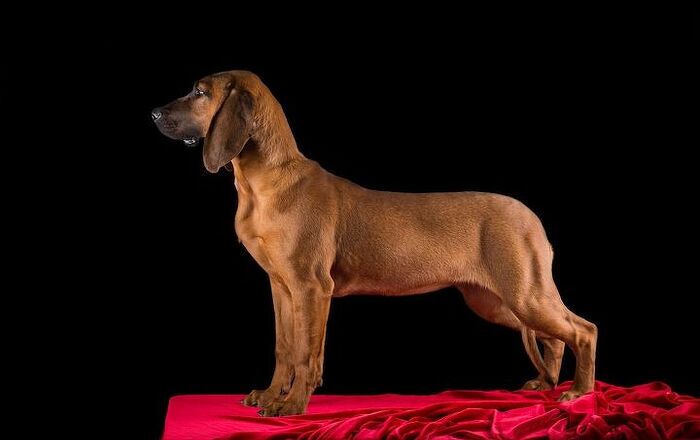
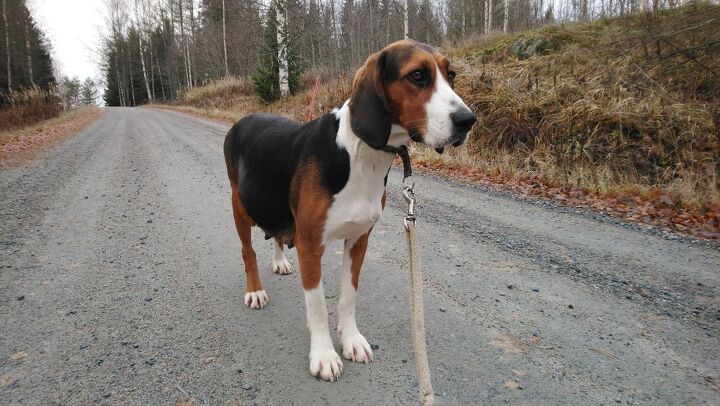
The Finnish Hound is a medium-sized breed of dog that stands between 20 and 24 inches tall and weighs between 45 and 55 pounds at maturity.
Temperament/Behavior
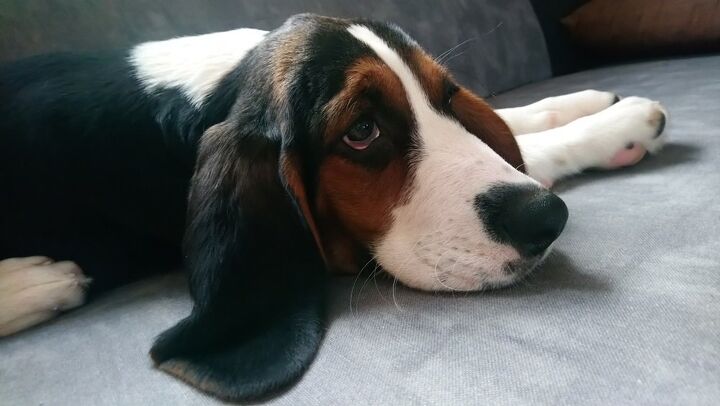
In the home environment, the Finnish Hound can be calm and friendly, though they do sometimes develop a bit of an independent or stubborn streak. In a hunting environment, the Finnish Hound is alert and energetic with great stamina and endurance. These dogs are versatile and they tend to prefer working independently rather than with a pack – barking plays a key role in their hunting skills. Because these dogs live to hunt they are generally not recommended as companion pets and they should not be kept solely for show.
Common Health Problems
The Finnish Hound is generally a healthy and hardy breed, though there is one serious condition for which these dogs are known – cerebellar ataxia. This is a complex condition that comes about as the result of lesions in the brain. These lesions affect the dog’s coordination and gate as well as his ability to see. This disease is the result of a genetic mutation in the gene SEL1L, so responsible breeding practices are important for this breed. This breed may also be prone to hunting injuries.
Life Expectancy
The average life expectancy for the Finnish Hound is between 11 and 12 years which is about average for a dog of its size.
Exercise Requirements
Because the Finnish Hound was developed as a working breed you can expect him to have fairly high energy levels and high needs for exercise. This breed requires at least 30 minutes of moderate to vigorous activity on a daily basis and he will appreciate having time to run in a fenced yard as well. This dog also requires plenty of mental stimulation to keep his mind sharp and to keep him from becoming bored. A bored dog can become a destructive dog if you aren’t careful.
In the home environment, the Finnish Hound can be calm and friendly, though they do sometimes develop a bit of an independent or stubborn streak.
AKC
The Finnish Hound is not currently recognized by the AKC but it is a member of the Hound Group for the United Kennel Club and a member of Group 6 for the FCI.
Coat
Like most scenthounds, the Finnish Hound has a short, smooth coat that is fairly easy to care for. Finnish Hounds generally come in a tricolor pattern of black, tan, and white with a black saddle and white markings on the head, chest, feet, and tip of the tail. This breed should be bathed only as needed and brushed with a firm bristle brush. The nails should be kept short and the ears kept clean and dry to prevent ear infections.
Puppies
The average litter size for the Finnish Hound breed is between 4 and 8 puppies. As is true for all breeds, early socialization and training is recommended to make sure that the puppies grow up to be well-adjusted and obedient adults. This breed does have a bit of an independent streak, so be firm and consistent when training your Finnish Hound puppy.
Photo credit: Rita Romanyshyn/Shutterstock; Lichtflut/Shutterstock